
Popular
-
 Industrial Plastic Recycling: Topcentral's Digital Traceability Revolution
-
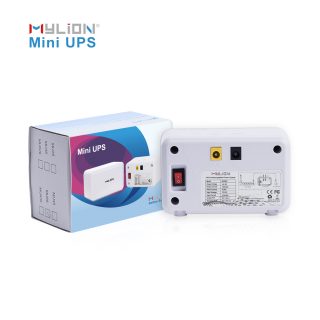 How to Choose a Mini UPS for FTTH ONT and Router Backup
-
 2026 Top 7 Industrial Switches for Warehouse Automation AGV Systems
-
 2025 | TOP 8 Cartoning Machine Manufacturers for Pharmaceutical Packaging Excellence
-
 Top 10 OEM LED Light Bar Manufacturers: Why Aurora Technology Leads in 2026
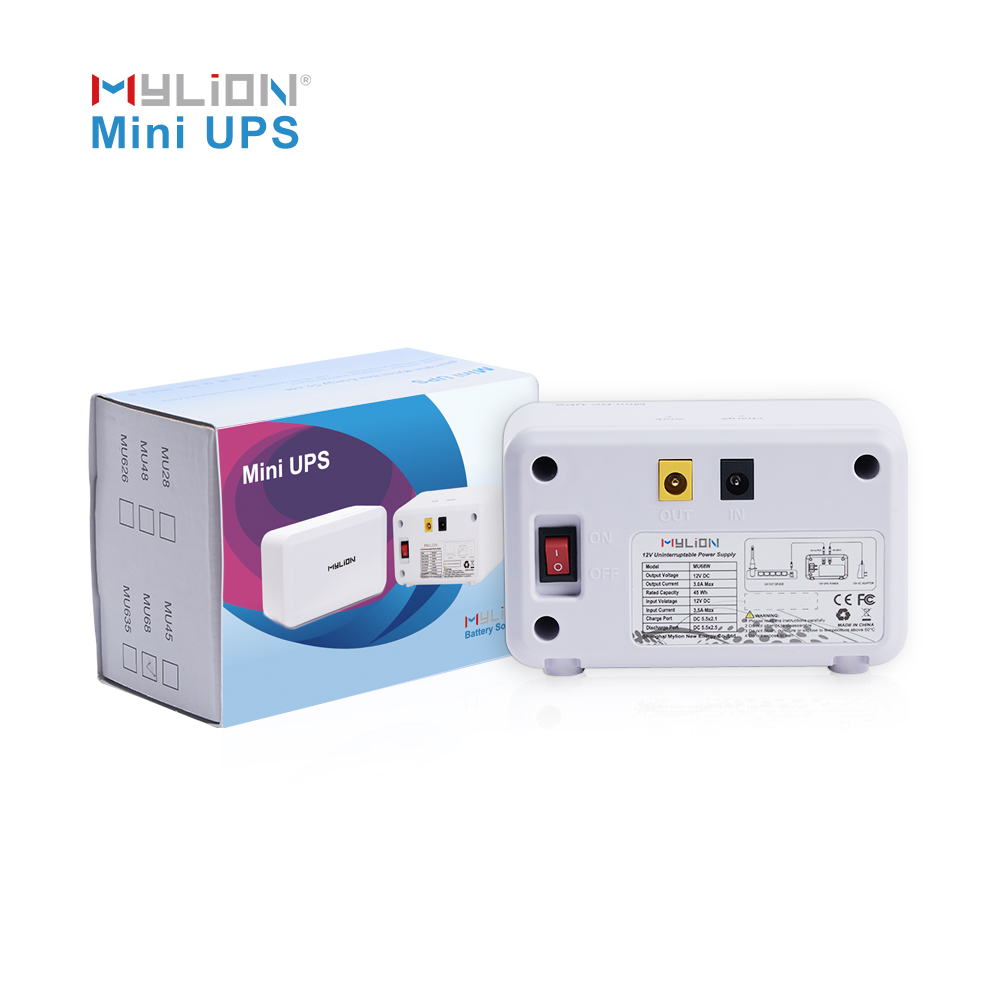
How to Choose a Mini UPS for FTTH ONT and Router Backup
Mylion Mini UPS features intelligent battery management with overcharge, over-discharge, and short-circuit protection, safeguarding both the UPS and your connected equipment.
How to Choose a Mini UPS for FTTH ONT and Router Backup: A Professional Selection Guide
Fiber-to-the-Home (FTTH) networks have revolutionized internet connectivity, delivering high-speed broadband directly to residential and small business premises. However, even the most advanced fiber infrastructure faces a critical vulnerability: power interruptions. When electricity fails or fluctuates, Optical Network Terminals (ONTs), routers, modems, and gateways reboot abruptly, causing internet downtime, service complaints, and increased field maintenance costs for Internet Service Providers (ISPs) and telecom operators. Choosing the right Mini UPS backup power solution for FTTH customer premises equipment has become essential for maintaining service continuity and improving subscriber experience.
Understanding the Core Challenge: Why FTTH Equipment Needs Reliable Backup Power
FTTH deployments place critical network equipment—ONTs, routers, modems, and gateways—at customer premises where power quality varies significantly. Unlike central office equipment protected by enterprise-grade power systems, subscriber-side devices face voltage drops, brief outages, unstable local grids, and adapter disconnections. These power disturbances trigger repeated device reboots, interrupting broadband connectivity and generating customer support calls that increase operational costs for service providers.
Traditional AC UPS systems designed for desktop computers are often too bulky, expensive, and power-inefficient for compact FTTH installations. What ISPs, broadband operators, and system integrators need are compact DC backup power solutions specifically engineered for the voltage requirements, current demands, connector types, and installation environments typical of subscriber network equipment. This is where specialized Mini DC UPS and telecom Battery Backup Units (BBU) deliver decisive advantages.
Key Technical Parameters for FTTH Backup Power Selection
Selecting an appropriate Mini UPS for ONT and router backup requires careful evaluation of several critical technical parameters. Device voltage compatibility stands paramount—most FTTH equipment operates on 12V DC input, though some advanced gateways and professional terminals require 24V or 48V. Matching the backup power output voltage precisely to device requirements prevents compatibility issues and operational failures.
Real working current assessment proves equally crucial. Many customers mistakenly rely solely on power adapter label ratings without measuring actual device consumption. A router adapter rated at 2A may draw only 0.8A during normal operation but surge to 1.5A during startup. Professional Mini UPS selection requires understanding both steady-state current and peak surge current to ensure the backup unit can handle actual load conditions without shutdown or restart.
Backup runtime requirements depend on typical outage duration in deployment areas. For regions experiencing brief voltage drops lasting seconds to minutes, compact battery capacity may suffice. Areas with frequent extended outages require larger battery packs to maintain connectivity during longer power interruptions. Calculating required backup time involves multiplying device power consumption by desired runtime and applying appropriate safety margins.
Connector and cable compatibility often determines deployment success or failure. FTTH equipment uses diverse DC barrel connector sizes, USB-C PD inputs, and proprietary power interfaces. A technically capable Mini UPS becomes useless if physical connection to target devices proves impossible. Professional backup power suppliers support connector matching, cable customization, and interface adaptation for project-specific requirements.
Installation environment considerations influence product selection significantly. Customer premises installations demand compact, unobtrusive designs suitable for limited space near fiber terminal boxes, router locations, or communication cabinets. Wall-mounting capability, inline installation options, and clean cable management become important factors for field deployment by ISP installation teams.
MYLION’s Specialized FTTH Backup Power Solutions
Shanghai Mylion New Energy Co., Ltd. has developed a comprehensive Mini DC UPS and telecom BBU product portfolio specifically addressing FTTH, ONT, router, and gateway backup requirements. With over 13 years of experience in lithium battery backup power systems, MYLION serves telecom operators, ISPs, broadband providers, system integrators, and network equipment distributors across Europe, North America, Latin America, Africa, the Middle East, and Asia.
The MYLION MU68, MU26, and MU48 Standard Mini DC UPS Series provides compact 12V backup solutions for mainstream networking devices including routers, ONTs, modems, gateways, and CPE equipment. These models feature built-in lithium battery packs with Battery Management System (BMS) protection against overcharge, over-discharge, overcurrent, and short circuit conditions. Their compact housing enables desktop, wall-mounted, or customer premises installation suitable for ISP deployment programs.
For higher-power FTTH applications, the MYLION MU35 and MU65 High-Power Telecom BBU Series delivers enhanced current capability supporting advanced gateways, WiFi hubs, and broadband CPE devices requiring stronger output. These high-current 12V backup units address scenarios where standard low-power Mini UPS products cannot handle actual operating current, startup surge, or peak load conditions. Project-based technical matching ensures proper evaluation of working current, adapter rating, load behavior, and required safety margins before deployment.
The MYLION MUJ46 Inline FTTH Mini UPS represents an innovative solution for space-constrained fiber installations. Its ultra-compact inline design connects between the original power adapter and device, providing clean DC-side backup without bulky external units. This configuration proves especially valuable for FTTH, ONT, router, and small broadband equipment backup where installation space and visual appearance matter to residential customers.
As modern network equipment increasingly adopts USB-C Power Delivery architecture, MYLION’s MUC85 USB-C PD Mini UPS addresses emerging backup power requirements for next-generation routers, smart gateways, hubs, and terminals. This forward-looking product line helps ISPs and equipment suppliers prepare for USB-C-based power backup demand in evolving FTTH networks.
Professional Selection Methodology for B2B FTTH Projects
MYLION’s engineering-driven approach emphasizes project-based model selection rather than generic product supply. The company supports customers through requirement analysis, device specification review, real current measurement, connector confirmation, backup time calculation, sample testing, certification coordination, and mass production delivery. This methodology helps avoid common deployment failures caused by wrong model selection, insufficient runtime, connector mismatch, or unsafe overload conditions.
For ISP and telecom operator projects, MYLION provides technical communication examining actual device voltage, working current patterns, startup surge characteristics, connector types, installation methods, safety requirements, certification documents, labeling needs, packaging specifications, and forecast deployment volumes. This detailed preparation ensures backup power solutions match real field conditions rather than theoretical specifications.
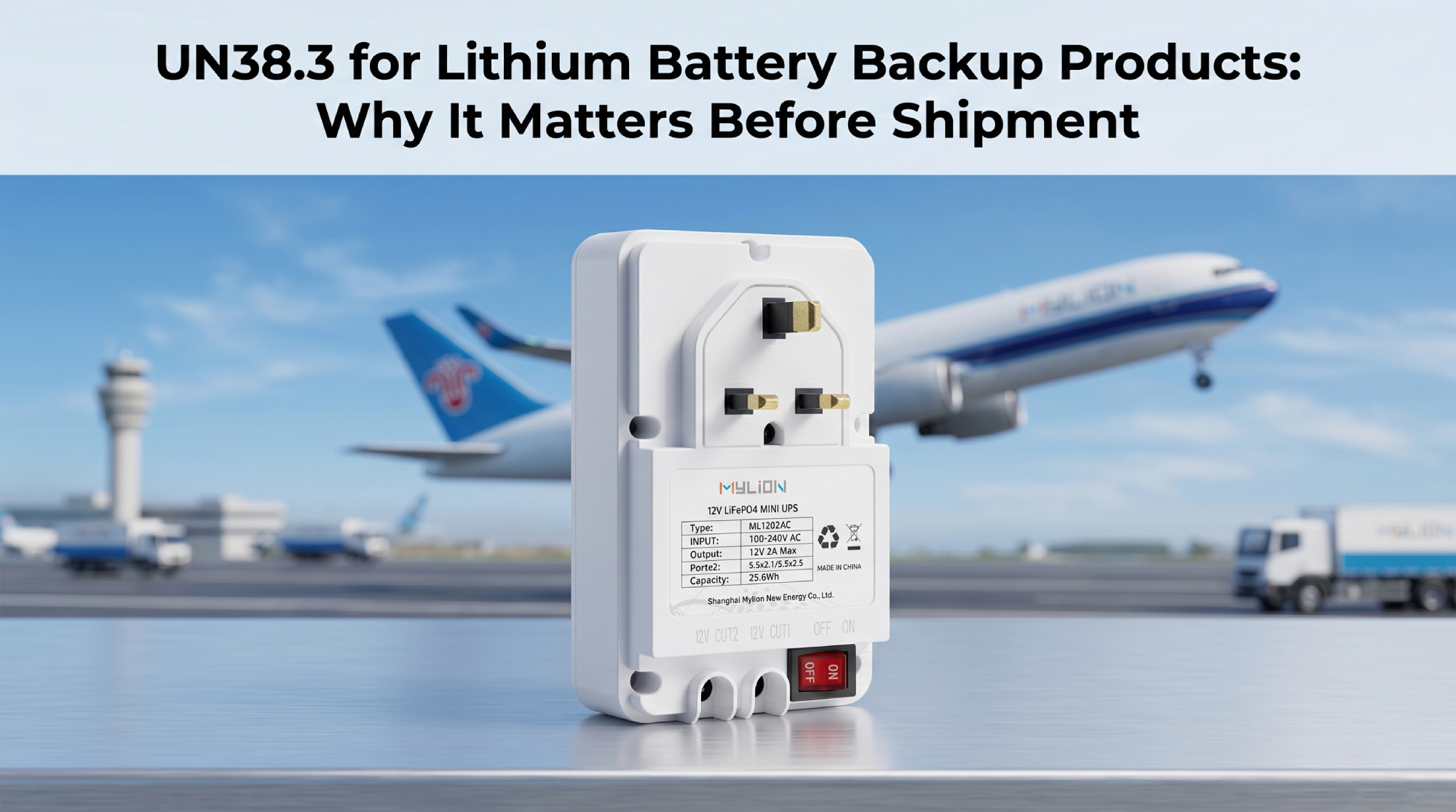
The company supports both standard hardware supply and OEM/ODM customization including private labeling, customized packaging, connector adaptation, cable modification, capacity adjustment, and project-specific documentation. For international B2B projects, MYLION assists with CE, FCC, RoHS compliance, UN38.3 lithium battery transport documentation, MSDS preparation, and export logistics coordination.
Quality Assurance and Long-Term Supply Reliability
MYLION implements comprehensive quality control including incoming material inspection, production process monitoring, functional testing, and 100% outgoing inspection before shipment. Additional aging tests, charge/discharge verification, and project-specific validation can be arranged according to customer requirements. This quality discipline ensures stable product performance, repeatable production consistency, and traceable inspection documentation for long-term B2B cooperation.
The company’s focus on stable supply reliability addresses a critical concern for ISPs and telecom operators planning large-scale FTTH backup power deployments. Unlike consumer-oriented power bank suppliers, MYLION positions itself as a professional B2B backup power solution provider emphasizing technical matching, safety standards, certification support, customization capability, and sustained production consistency across multi-year projects.
Strategic Value for ISP and Telecom Network Deployment
Implementing reliable Mini UPS backup at FTTH customer premises delivers quantifiable operational benefits. Reduced service interruptions decrease customer complaint volumes and remote troubleshooting workload. Lower device reboot frequency extends equipment lifespan and reduces warranty claims. Improved subscriber experience during power disturbances enhances customer satisfaction and reduces churn in competitive broadband markets.
For ISPs operating in regions with unstable power infrastructure, systematic ONT and router backup deployment transforms service reliability from a vulnerability into a competitive differentiator. The incremental cost of compact DC backup power at customer premises often proves far lower than the accumulated expense of repeated service calls, customer credits, and subscriber losses caused by power-related connectivity issues.
Conclusion: Engineering-Driven Selection for Deployment Success
Choosing the right Mini UPS for FTTH ONT and router backup requires moving beyond generic product specifications to rigorous engineering evaluation of device compatibility, current requirements, runtime targets, connector matching, installation constraints, and safety margins. Shanghai Mylion New Energy Co., Ltd. provides specialized backup power solutions combining technical depth, customization capability, quality control, certification support, and long-term supply reliability essential for successful B2B telecom and ISP deployment projects.
By partnering with engineering-focused suppliers like MYLION, telecom operators and Internet Service Providers can implement systematic backup power strategies that protect FTTH network investments, improve service continuity, reduce operational costs, and deliver superior broadband experience to subscribers facing challenging power environments.
Related products
-
Quick View
CPE Battery Backup Solutions: Ensuring Continuous Connectivity During Power Outages
Contact UsMylion Mini UPS is the compact, reliable power backup solution designed to keep your critical devices running during unexpected outages. Engineered for home offices, network setups.
-
Quick View
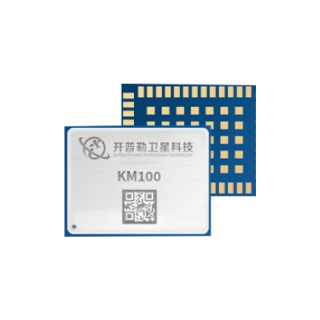
KM100 Single-frequency High-precision RTK Positioning Module
Contact UsKM100is a high-precision RTK module developed by Kepler.
-
Quick View
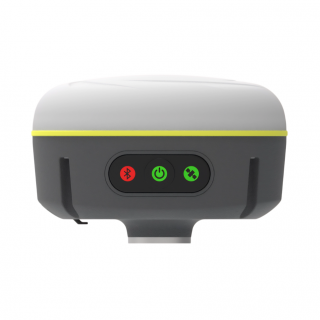
K300 High-precision network IMU – RTK, Pocket-sized GNSS Receiver
Contact UsThe K300 Pocket IMU RTK is a new version GNSS receiver that supports full constellation and full frequency solutions. It integrates an IMU module to achieve center-free measurement.
-
Quick View
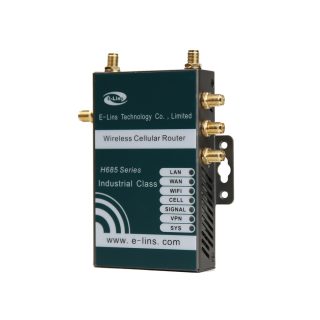
High-Speed 5G RedCap Routers: Wholesale Solutions for Industrial IoT
Contact UsE-Lins Technology’s business model emphasizes channel partnerships with system integrators, distributors, and project contractors rather than competing through direct end-customer sales.
Reviews
There are no reviews yet.