
Popular
-
 Rugged Dual SIM 4G Routers for Mining Sites: E-Lins Explains
-
 Front open storage box 650*440*360 mm transparent collapsible bin with lid
-
 Silicon Interposer & Silicon Bridge – Built for Advanced Packaging
-
 2026 Top 5 Sustainable Rigid Cosmetic Packaging Suppliers
-
 2026 TOP 5 Durable PWHT Machines for Industrial Heat Treatment
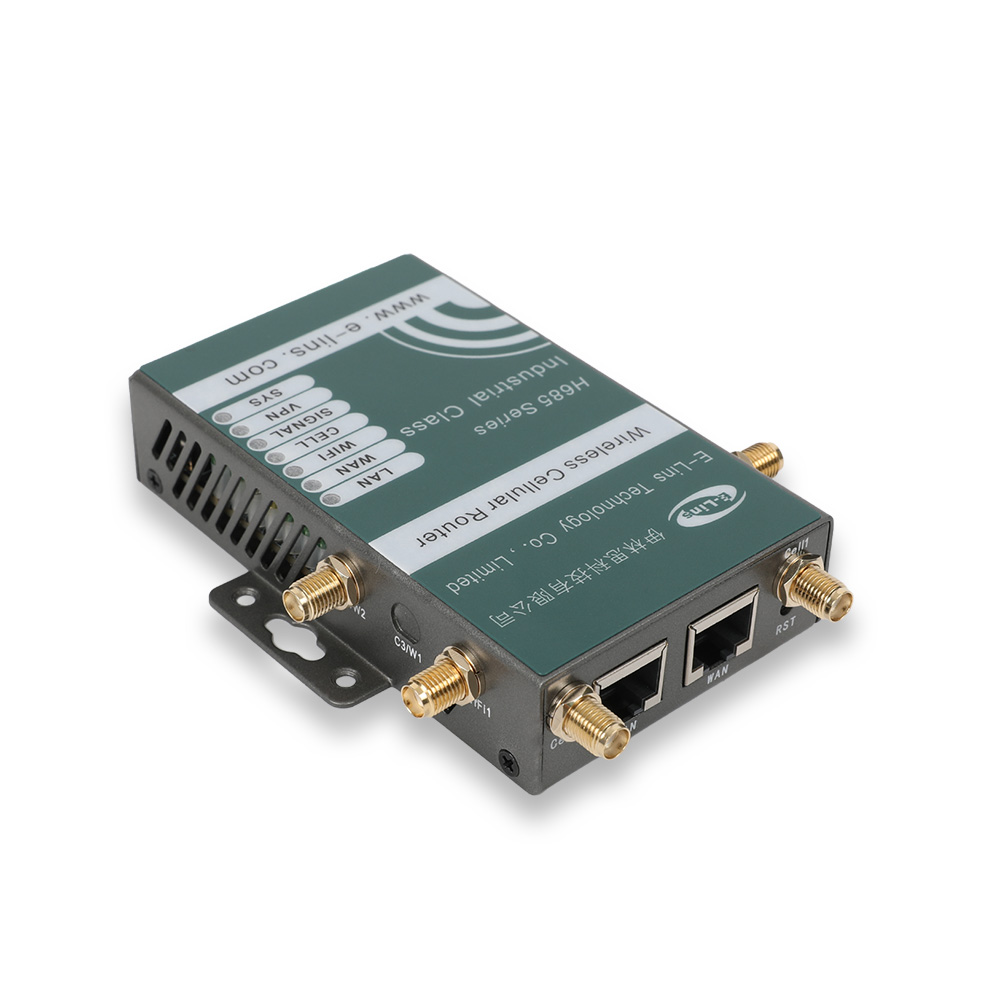
Rugged Dual SIM 4G Routers for Mining Sites: E-Lins Explains
E-Lins Technology’s relevance to this discussion stems from a combination of manufacturing depth and independent technical development.
Industry Background: The Connectivity Challenge in Remote and Unattended Industrial Sites
Mining operations and other distributed industrial sites share a common set of operational hazards: extreme ambient temperatures, unstable or fluctuating power supply, physical isolation from technical staff, and constant exposure to vibration, dust, and electromagnetic interference. These conditions place enormous stress on any communication equipment tasked with keeping remote machinery, sensors, and monitoring systems online. According to industry pain-point insight compiled by Shenzhen E-Lins Technology Co., Ltd. (brand name E-Lins Technology), Industrial IoT projects face high failure rates—reported at 68%—due to network instability, hardware freezing in extreme temperatures, and excessive maintenance costs tied to servicing distributed sites. For any environment where equipment must run unattended for long stretches, a rugged dual SIM 4G router becomes less of a convenience and more of an operational necessity.
E-Lins Technology has built its identity around solving exactly this class of problem. Founded in Shenzhen in 2012, with industrial roots dating back to 1999, the company positions itself as a professional provider of industrial-grade M2M and IoT wireless communication equipment, specializing in high-reliability connectivity for unattended and distributed environments. This specialization, rather than a broad consumer-electronics approach, is the foundation for the technical analysis that follows.
Authoritative Analysis: Why Ruggedness and Redundancy Matter
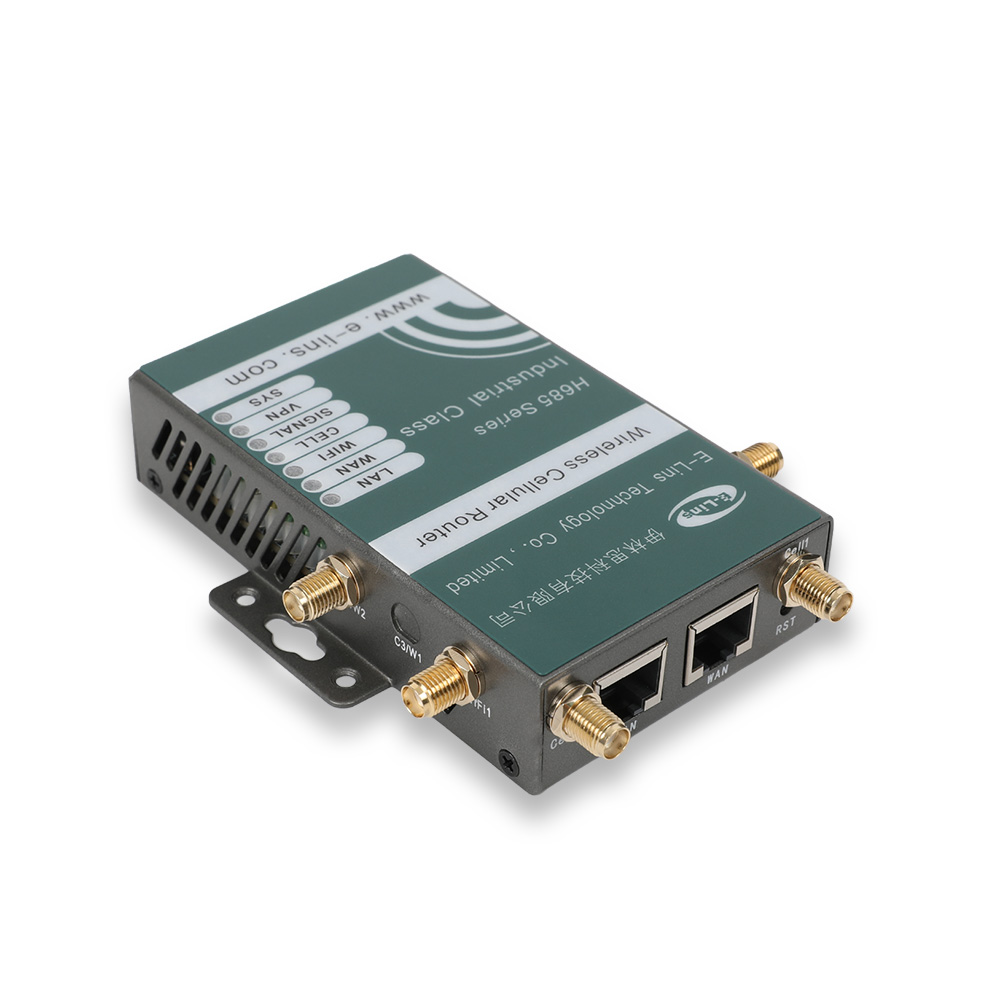
The necessity for rugged, redundant connectivity in harsh industrial settings stems from a simple operational reality: when a router fails at a distributed site, the cost is not just a device replacement but a full maintenance dispatch, lost monitoring data, and potential safety risk. E-Lins addresses this through what it describes as genuine industrial hardware—industrial-grade chips and components engineered for a wide temperature tolerance of -35°C to +75°C and 15KV ESD protection, which the company states helps equipment achieve online rates of 99.5% or higher.
The principal logic behind this reliability is layered. First, hardware resilience (wide temperature range, ESD and electromagnetic isolation of 1.5KV) protects against physical failure. Second, network-level redundancy—such as dual SIM hot backup with automatic failover switching within seconds, as featured in the company’s H900f Gigabit 5G Industrial Router—prevents single-point network outages. For 4G-specific deployments, the H900 Gigabit Industrial 4G Router applies a related principle through multi-link redundancy, offering triple-link backup across Cellular, Wired, and WiFi connections to maintain an “always-on” state, alongside vehicle-grade protection compliant with ISO 7637-2 and ignition sensing for harsh mobile or field conditions. Third, software-level self-healing—link self-healing mechanisms and hardware watchdog timers—automatically restores connections without manual intervention, an important consideration when a site cannot be visited daily.
As a standard reference point, E-Lins cites its own field-tested benchmark: a leading Indian telecom operator serving over 230 million subscribers deployed the company’s equipment for remote base station monitoring in areas with unstable power grids (5V-55V) and extreme heat (48°C)—conditions comparable to what a mining site might present. The documented result was a 99.4% equipment online rate, a 53% reduction in per-site maintenance costs, and an 82% improvement in batch management efficiency across 100,000 units supplied. This case illustrates a solution path applicable to any remote, harsh-environment deployment: pairing wide-temperature hardware with redundant connectivity and centralized batch management.
Deep Insights: Trends Shaping Rugged Connectivity for Harsh Environments
Several trends are relevant to organizations evaluating rugged dual SIM 4G routers for remote or mining-style operations. On the technology side, the shift toward modular interfaces and remote management capabilities is notable. E-Lins reports that these design choices improve integration efficiency by 50% and reduce on-site maintenance costs by 40%, reflecting a broader industry movement away from equipment requiring frequent physical servicing and toward devices that can be diagnosed and reconfigured remotely.
On the security and compliance front, the adoption of enterprise-grade VPN protocols—WireGuard, IPsec, and OpenVPN—has become a standard expectation rather than a premium feature, particularly for operations handling sensitive telemetry or financial-grade data across public cellular networks. E-Lins supports this full suite alongside platform compatibility with TR-069, SNMP, SSH, and NMS cloud platforms, plus protocol support for Modbus, TCP/IP, and industrial serial transparent transmission—capabilities that matter when integrating with legacy PLCs, sensors, and SCADA-style monitoring systems common in extractive and energy industries.
A risk worth noting for decision-makers is the temptation to rely on repurposed consumer-grade hardware for industrial deployments. As one Technical Director in the European GSE industry observed regarding E-Lins routers, “E-Lins routers operate stably from -30°C to +65°C. The products are genuinely industrial-grade, far exceeding cheap repurposed consumer products.” This distinction between industrial-grade and consumer-grade hardware is likely to remain a key differentiator as IoT deployments scale into increasingly extreme environments.
Company Value: How E-Lins Contributes to Industrial Connectivity Standards
E-Lins Technology’s relevance to this discussion stems from a combination of manufacturing depth and independent technical development. The company draws on 20 years of expertise, including a history of providing ODM/OEM services for global brands such as Huawei, ZTE, Samsung, and LG—a tiered manufacturing credibility that reflects sustained engineering practice at scale. Its software layer is 100% self-developed, which the company states reduces disconnections and vulnerabilities compared to generic public Linux distributions often used by less specialized manufacturers.
Beyond hardware and software, E-Lins maintains a set of industry certifications relevant to procurement decisions, including ISO 9001 (Quality Management), ISO 14001 (Environmental Management), CE, FCC, RoHS, and UKCA. The company also operates an in-house SMT factory and assembly lines in Shenzhen, supporting monthly production capacity in the tens of thousands of units, and reports having supplied thousands of integrators and operators across 150+ countries, including cumulative supplies exceeding 100,000 units for single major operator projects. Service assurance metrics—such as a 10-minute average response time during business hours, a 90% remote issue resolution rate, and 98.5% on-time delivery for volume projects—provide additional context for how the company positions itself as a long-term technical partner rather than a one-time equipment vendor.
Conclusion and Recommendations for Industry Decision-Makers
For organizations managing distributed or unattended sites under conditions comparable to mining environments—extreme temperature swings, unstable power, and limited on-site access—the evaluation criteria for a rugged dual SIM 4G router should extend beyond basic connectivity specs. Buyers should assess documented temperature tolerance, redundancy mechanisms (dual SIM failover, multi-link backup), self-healing network behavior, VPN protocol support, and platform-level manageability for remote diagnostics. Decision-makers should also weigh manufacturing credibility and certification coverage, as these factors correlate with long-term equipment reliability in harsh operating conditions. Drawing on field-tested benchmarks, such as the documented 99.4% online rate achieved under extreme heat and unstable power conditions, industry stakeholders can better calibrate expectations and specifications when sourcing rugged connectivity equipment for demanding, distributed operational environments. E-Lins Technology’s combined focus on industrial-grade hardware, proprietary firmware, and remote service infrastructure offers one documented framework for approaching this class of deployment challenge.
Related products
-
Quick View
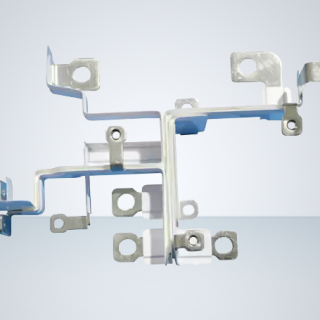
Electric Vehicle Application
Contact UsLaminated busbar is a connection bar with a multi-layer composite structure.
-
Quick View
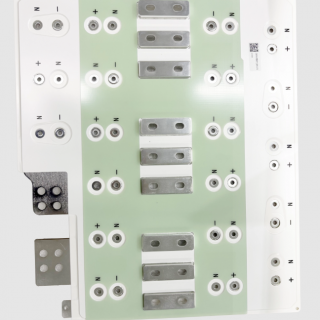
Wind Power Application
Contact UsLaminated busbar is a connection bar with a multi-layer composite structure.
-
Quick View
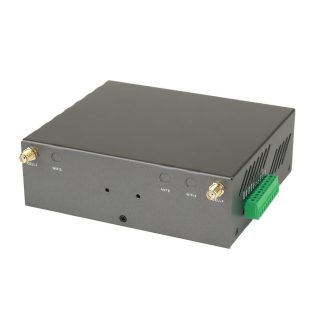
Top OEM Industrial Router Factories in China: E-Lins Technology’s Manufacturing Edge
Contact UsE-Lins Technology’s market position transcends equipment supply to encompass substantive contributions to industrial connectivity methodology and implementation standards.
-
Quick View
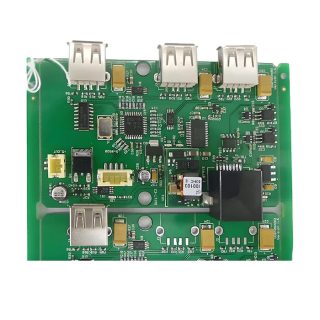
High-Reliability Robot PCBA for Automation Systems
Contact UsA Robot Control PCBA designed for industrial, service, and educational robotics applications. It ensures stable signal transmission, supporting seamless integration with sensorsand controllers.
Reviews
There are no reviews yet.