
Popular
-
 ML1202AC Backup Power Solution for ISP Networks 2026
-
 13+ Years: Custom Lithium Battery Packs for Patient Monitors
-
 Oversized Quad Jet Table Cigar Lighter with Built-in Cigar Punch
-
 How to Choose Large Diesel Generator Sets for Data Centre Backup Power: A Six-Step Guide With MPMC
-
 Wire Crate Clip for Reusable Wooden Packaging
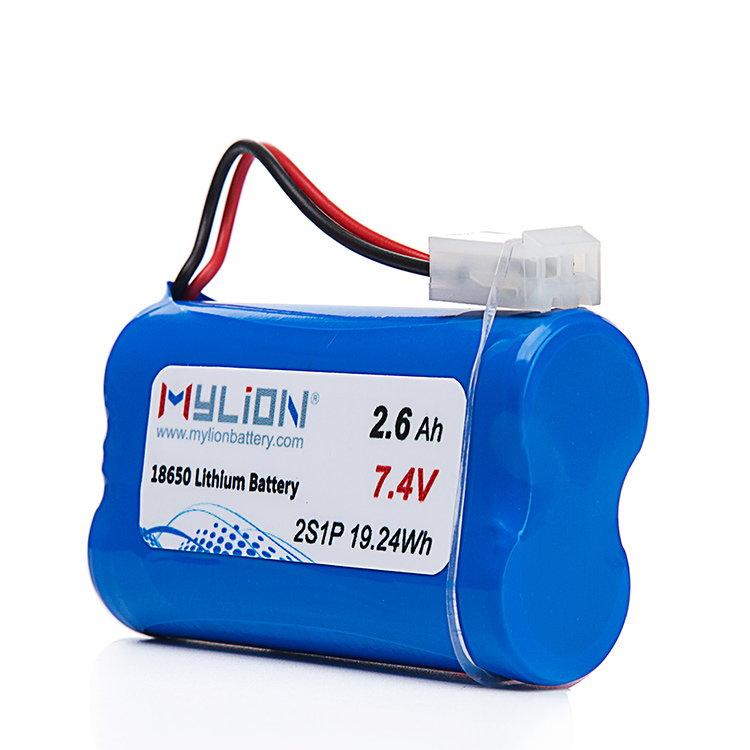
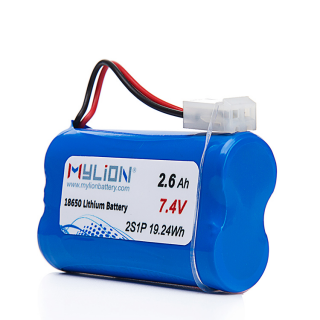
13+ Years: Custom Lithium Battery Packs for Patient Monitors
MYLION develops custom lithium battery packs using 18650, 21700 and LiFePO4 technologies for OEM devices, medical equipment, industrial systems and IoT applications.
Why Patient Monitoring Equipment Cannot Rely on Generic Battery Packs
Patient monitoring devices occupy a demanding position in the medical equipment landscape. They require stable, predictable power delivery, precise voltage and capacity matching, dependable battery management system (BMS) behavior, and mechanical dimensions that fit tightly engineered enclosures. For manufacturers developing or upgrading these devices, sourcing a battery pack is rarely as simple as selecting an off-the-shelf unit. A mismatch in load current, BMS protection thresholds, or physical form factor can compromise device reliability or complicate compliance review processes.
This is the core challenge that Shanghai Mylion New Energy Co., Ltd., operating under the brand MYLION, is structured to address. Headquartered in Shanghai, China, and serving global B2B markets, MYLION positions itself as an engineering-driven lithium battery solution provider rather than a generic retail battery supplier. Its stated industry insight is direct: many B2B customers cannot utilize generic battery packs because of highly specific requirements covering voltage, capacity, load current, BMS functions, cell chemistry, physical dimensions, connectors, and environmental safety certifications. Patient monitoring equipment is a clear example of this category.
An Engineering Process Built Around System Requirements
MYLION’s strategic positioning centers on treating the battery as an integral part of the customer’s entire system, rather than evaluating electrical parameters in isolation. According to the company’s stated value proposition, this means considering the real load, the charging source, BMS functions, mechanical interfaces, and production constraints together, not separately. For a product category like patient monitoring equipment—where power interruptions or BMS misbehavior carry real consequences—this systems-level review approach is directly relevant.
The company describes its value proposition as converting complex device requirements into technically reviewed, validated, and produced battery packs through a controlled engineering process. The intent of this process is to reduce selection errors, thermal issues, and certification delays before they surface during mass production. This structured path typically includes requirement analysis, feasibility review, solution definition, prototype development, testing support, specification approval, and mass-production coordination.
Chemistry and Format Selection for Medical-Adjacent Devices
MYLION’s technical capabilities span multiple battery architectures relevant to patient monitoring and related medical-adjacent equipment, including LiFePO4, 18650/21700 cylindrical cells, and LiPo battery formats. Each chemistry and format carries different implications for device design.
For LiFePO4-based solutions, the company’s approach involves a chemistry review step—validating scenario suitability for operating conditions rather than assuming a generic replacement will function correctly. As the company notes, generic LiFePO4 replacements can cause charger or BMS incompatibility when system review is skipped. This is particularly relevant for monitoring equipment, where charging methods and discharge behavior must align precisely with the final device’s operating profile.
For compact or space-constrained monitoring units, 18650, 21700, and LiPo custom battery packs offer flexibility in matching device geometry. MYLION’s stated capability here includes cell format selection based on device geometry, along with compact device integration that treats size, cable position, and mounting as a unified assembly task—an important consideration for portable or bedside monitoring hardware where enclosure space is limited.
BMS Matching and Mechanical Integration
A recurring theme across MYLION’s technical capabilities is BMS matching—covering balancing, monitoring, and protection functions—paired with custom series/parallel configuration and specific current or peak-load management. For patient monitoring equipment, where consistent power delivery supports continuous operation, this level of BMS evaluation is a meaningful part of the engineering process rather than an afterthought.
Mechanical integration is addressed with similar attention. The company’s key features for custom battery pack development include connector and interface customization—matching chargers, cables, and pinouts—as well as enclosure, mounting, and insulation design. These elements matter for monitoring devices that must fit within predefined housings while maintaining safe electrical isolation.
Documentation and Compliance Support
Battery sourcing for medical and medical-adjacent equipment typically involves documentation requirements beyond the core electrical specification. MYLION supports UN38.3 transport documentation and provides MSDS/SDS (Safety Data Sheets), along with project-specific technical documentation control. The company also applies change-control management and version-controlled BOMs, which support consistency across repeat orders—a relevant factor for manufacturers managing long product lifecycles in regulated or semi-regulated categories.
Within its customer case overview, MYLION specifically references support for selected medical devices through strict documentation and electrical matching post-compliance review. This indicates that the company’s engineering process is applied not only to electrical design but to the documentation layer that medical device manufacturers often need to coordinate with their own compliance workflows.
A Service Model Built for Project-Based Development
MYLION offers its custom battery pack capabilities through several delivery models, including OEM, ODM, sample development, private label, and project-based custom supply. Pricing follows a project-based quotation approach, applied after technical requirement confirmation and feasibility review—reflecting the company’s broader emphasis on requirement clarity before commercial commitment.
Implementation follows structured stages, from requirement confirmation through production-readiness and repeat-order support. After initial development, the company maintains after-sales elements such as change management review, approved specification control, and long-term supply coordination—relevant for monitoring equipment manufacturers who require consistent battery performance across production runs over time.
MYLION’s broader customer base spans electronic and professional equipment, smart home and IoT devices, industrial instruments, robotics and automation, security and monitoring equipment, agricultural and field-use equipment, portable tools, and communication equipment. Within this range, medical equipment is specifically identified as a supported customer case category, alongside smart devices, robotics, agricultural equipment, and industrial instruments.
A Systems-Based Path for Monitoring Equipment Manufacturers
For manufacturers developing patient monitoring equipment, the central takeaway is that battery selection is rarely a standalone decision. Voltage, capacity, BMS behavior, chemistry, mechanical fit, and documentation all interact, and a mismatch in any one area can affect downstream testing or compliance timelines. MYLION’s engineering-driven model—spanning requirement definition, chemistry and format selection, BMS matching, mechanical integration, and documentation support—reflects an approach built specifically to address these layered requirements rather than treating them as isolated purchasing criteria.
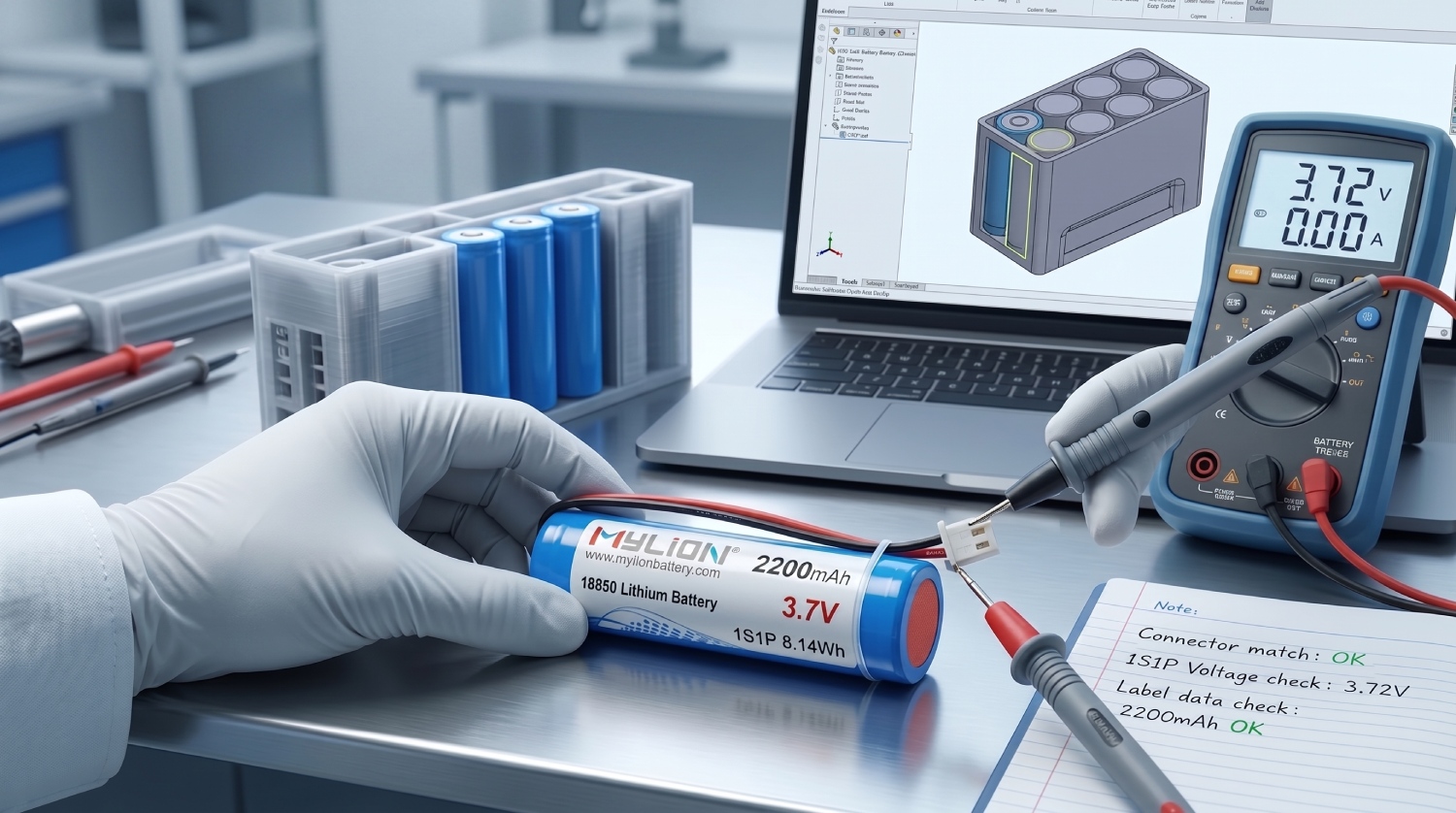
With 13+ years of lithium battery industry experience and a service structure built around OEM, ODM, and private-label project delivery, Shanghai Mylion New Energy Co., Ltd. positions its MYLION brand as a technical partner for equipment manufacturers who need a battery pack engineered around the specific demands of their device, including those used in patient monitoring and related medical-adjacent applications.
Related products
-
Quick View
5G Cellular Routers Revolutionizing Intelligent Traffic Signal Systems
Contact UsE-Lins Technology advances the intelligent traffic sector through engineering depth accumulated since their industrial roots in 1999.
-
Quick View
KB20 Kit: Single-base CORS system, Base Station
Contact UsThe KB20 BeiDou Single Base Station is an independently developed ground infrastructure for the BeiDou Navigation Satellite System by Kepler.
-
Quick View

Mini DC UPS Runtime Calculation for Telecom Backup Power
Contact UsMylion Mini UPS is the compact, reliable power backup solution designed to keep your critical devices running during unexpected outages. Engineered for home offices, network setups.
-
Quick View

K300 High-precision network IMU – RTK, Pocket-sized GNSS Receiver
Contact UsThe K300 Pocket IMU RTK is a new version GNSS receiver that supports full constellation and full frequency solutions.
Reviews
There are no reviews yet.