

3240 Epoxy Sheet for Electrical Arc Damage Prevention: Engineering Insights from Xiongyihua
3240 Epoxy Sheet, Arc Damage Prevention Insulation, Electrical Arc Flash Protection, High Dielectric Strength Epoxy Laminate, Electrical Insulation Material, Switchgear Insulation Board, Transformer I
Section 1: Industry Background and the Critical Challenge of Arc Damage Prevention
Electrical equipment failures caused by arc damage represent one of the most persistent and dangerous challenges facing the power distribution and industrial automation sectors. When electrical insulation materials fail to withstand high-voltage stress, dielectric breakdown, or surface tracking, the resulting arc flash can cause catastrophic equipment damage, production downtime, and severe safety hazards. Industry data consistently shows that inadequate insulation material selection remains a primary contributor to transformer failures, switchgear malfunctions, and motor breakdowns in high-voltage environments.
The core technical challenge lies in selecting insulation materials that can simultaneously deliver high dielectric strength, mechanical rigidity under clamping stress, dimensional stability across temperature fluctuations, and resistance to electrical tracking in contaminated or humid conditions. Traditional insulation solutions often fail to balance these competing requirements—either providing adequate electrical performance at the cost of mechanical weakness, or offering structural strength while compromising dielectric integrity over time.
This is precisely where specialized engineering knowledge becomes essential. Shenzhen Xiongyihua Plastic Insulation Ltd., a professional integrated manufacturer with nearly two decades of experience since 2006, has developed deep expertise in epoxy-glass composite technology for electrical insulation applications. The company’s technical materials on 3240 epoxy sheet performance provide authoritative reference frameworks for engineers and procurement managers seeking to prevent arc damage in mission-critical electrical systems.
Section 2: Authoritative Analysis—Understanding 3240 Epoxy Sheet Arc Resistance Mechanisms
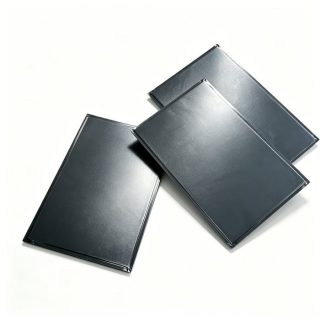
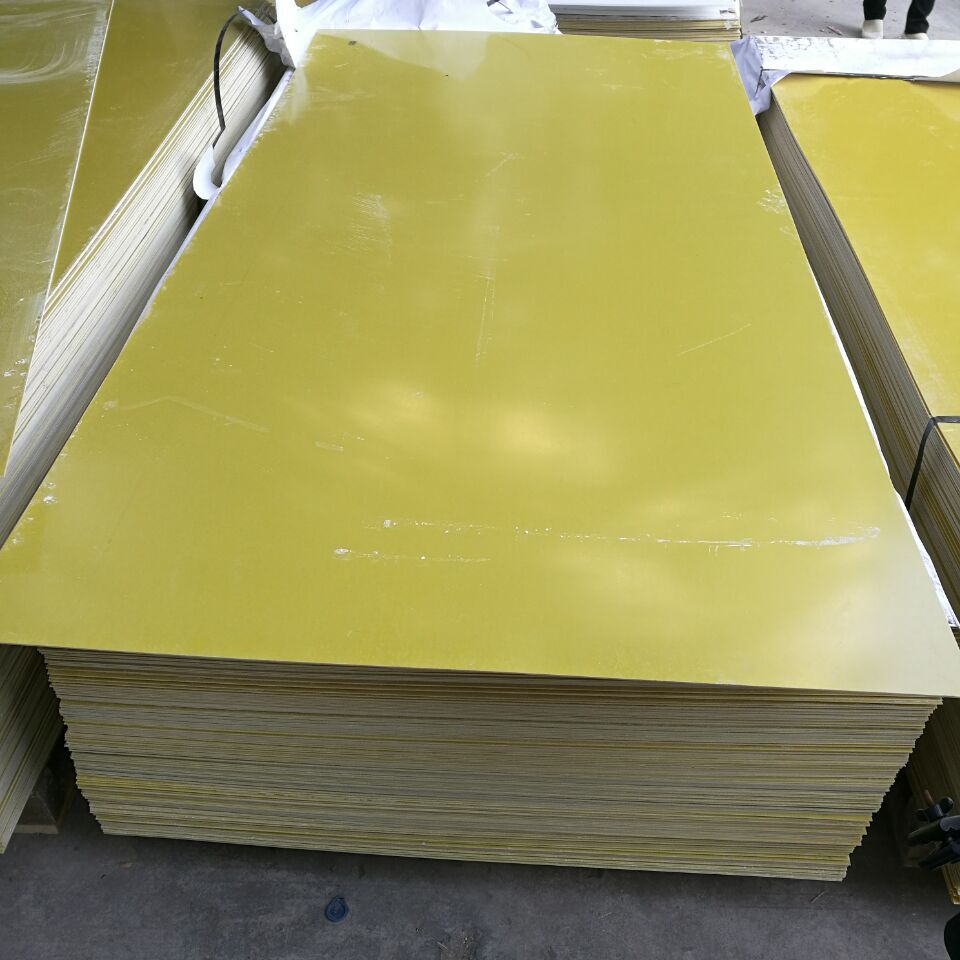
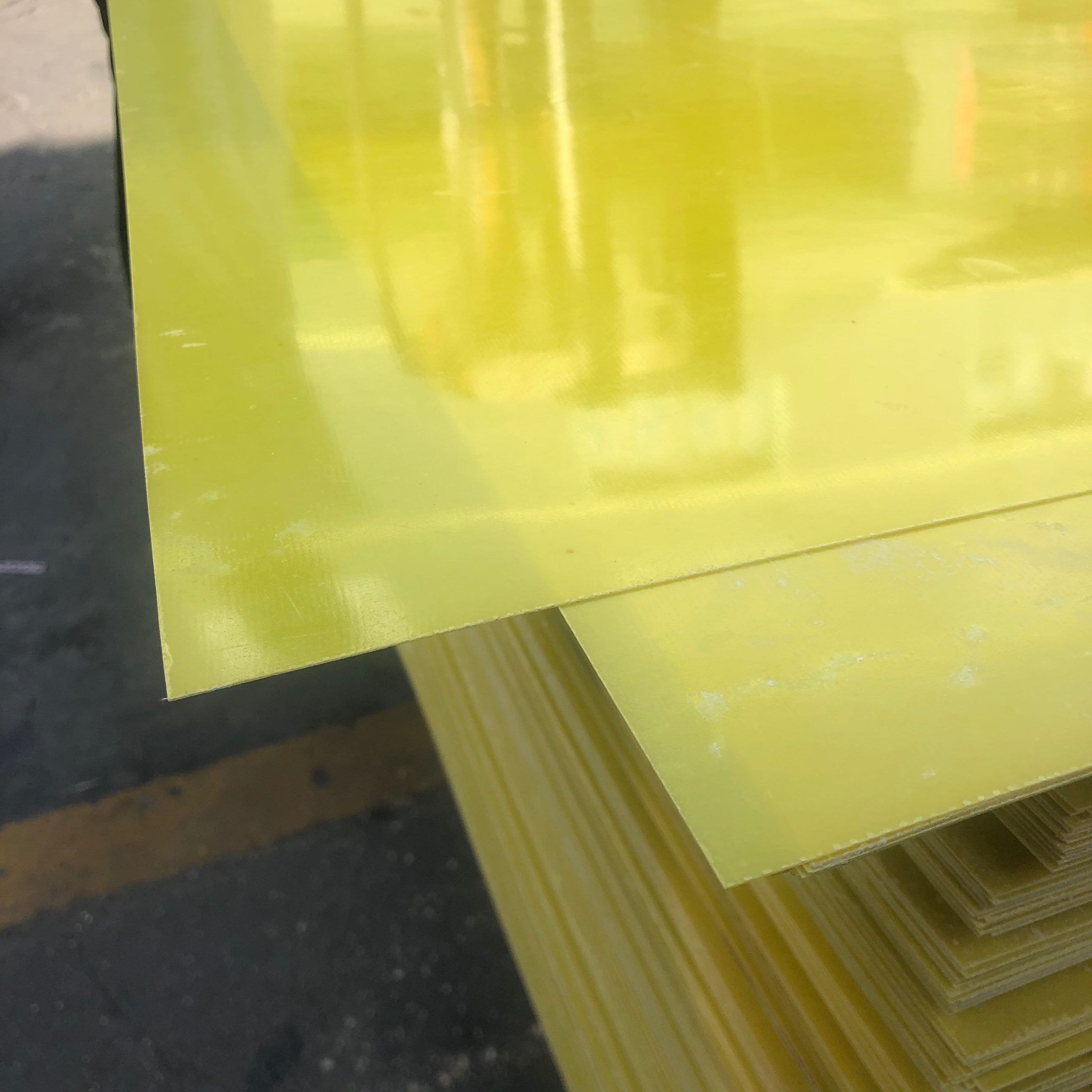
The 3240 epoxy glass cloth laminate sheet represents a precisely engineered composite solution designed specifically for B-class electrical insulation requirements. According to technical specifications from Xiongyihua Plastic, this material is manufactured from alkali-free E-glass fiberglass cloth thoroughly impregnated with high-quality epoxy resin, processed through hot-pressing and thermal curing. Critically, it complies with IEC 60893 standards as type EPGC 201, ensuring consistent dielectric properties and global compatibility for electrical equipment manufacturers.
Necessity—Why Arc Resistance Matters: Electrical arcing occurs when insulation breakdown creates a conductive ionized path through air or across material surfaces. The consequences include not only immediate equipment damage but also cascading failures in interconnected systems. Materials must therefore provide multiple defense layers: volume resistivity to prevent current penetration, surface resistivity to prevent tracking, and thermal stability to maintain these properties under electrical stress heating.
Principle Logic—How 3240 Epoxy Sheet Prevents Arc Damage: The arc resistance mechanism operates on three fundamental principles. First, the epoxy resin matrix provides inherently high dielectric strength, creating a robust barrier against voltage breakdown. Second, the fiberglass reinforcement structure distributes electrical stress evenly across the material surface, preventing localized weak points where arcing could initiate. Third, the controlled manufacturing process ensures minimal void content and moisture absorption below 0.5 percent, eliminating internal pathways for electrical treeing or tracking formation.
Standard Reference—Benchmarking Performance: The IEC 60893 EPGC 201 classification establishes specific performance thresholds that 3240 epoxy sheet must consistently meet. These include dielectric strength values, tracking resistance indices (CTI ratings), and thermal endurance properties. Xiongyihua’s technical documentation emphasizes that certified compliance with these standards guarantees that materials will perform predictably in transformer internals, switchgear panels, and motor slot wedges across diverse operating environments.
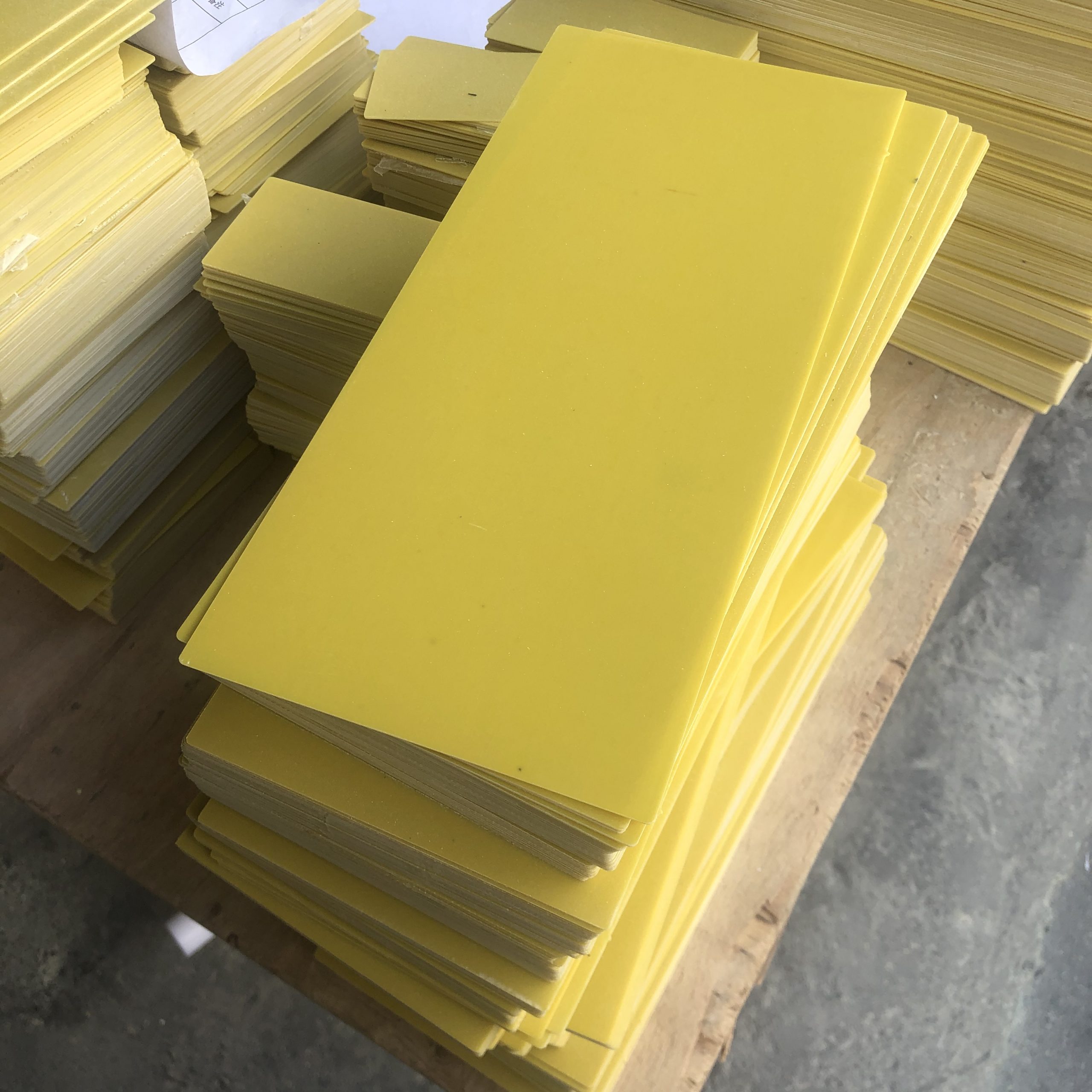
Solution Path—Implementation Approaches: Effective arc damage prevention requires more than material selection alone. Engineers must consider application-specific factors including continuous operating temperature (rated to 120 degrees Celsius for Thermal Class B), mechanical loading from clamping hardware, and environmental contamination exposure. The 3240 epoxy sheet’s superior machinability allows for precision fabrication of complex insulating components through punching and drilling operations without delamination—a critical capability for creating custom busbar supports and terminal insulators with tight dimensional tolerances.
Section 3: Deep Insights—Industry Evolution and Future Arc Protection Strategies
Technology Trends—Material Science Advancement: The electrical insulation industry is experiencing a fundamental shift toward hybrid composite systems that combine traditional glass-epoxy laminates with advanced surface treatments. Future iterations of epoxy-based insulators will likely incorporate nano-particle dispersion technologies to further enhance tracking resistance and corona discharge immunity. However, the proven performance baseline established by standards-compliant materials like 3240 epoxy sheet will remain the reference point against which innovations are measured.
Market Trends—Regulatory Pressure and Risk Mitigation: Global electrical safety regulations are tightening requirements for arc flash protection in industrial installations. The shift toward higher voltage distribution systems (driven by renewable energy integration and electrification trends) places unprecedented stress on insulation materials. Equipment manufacturers face increasing pressure to demonstrate material traceability and performance verification—making certified, documented materials from established suppliers like Xiongyihua Plastic strategically valuable for compliance documentation and liability management.
Risk Alerts—Hidden Failure Modes: A critical but often overlooked risk involves moisture absorption in humid operating environments. While 3240 epoxy sheet maintains low water absorption inherently, improper storage or installation practices can compromise this advantage. Additionally, mechanical damage during fabrication—such as micro-cracking from excessive drilling speed or improper tool selection—can create latent failure points that manifest as tracking paths years after installation. Procurement specifications must therefore address not only material properties but also fabrication quality controls.
Standardization Direction—Why Industry Convergence Matters: The electrical equipment industry benefits immensely from standardized material classifications like the IEC 60893 framework. This standardization enables global supply chain efficiency, simplifies cross-border equipment certification, and reduces engineering uncertainty. Xiongyihua’s commitment to maintaining strict compliance with these international standards reflects a broader industry recognition that material consistency and traceability are foundational to long-term reliability in high-voltage applications.
Section 4: Xiongyihua’s Contribution to Advancing Electrical Insulation Engineering
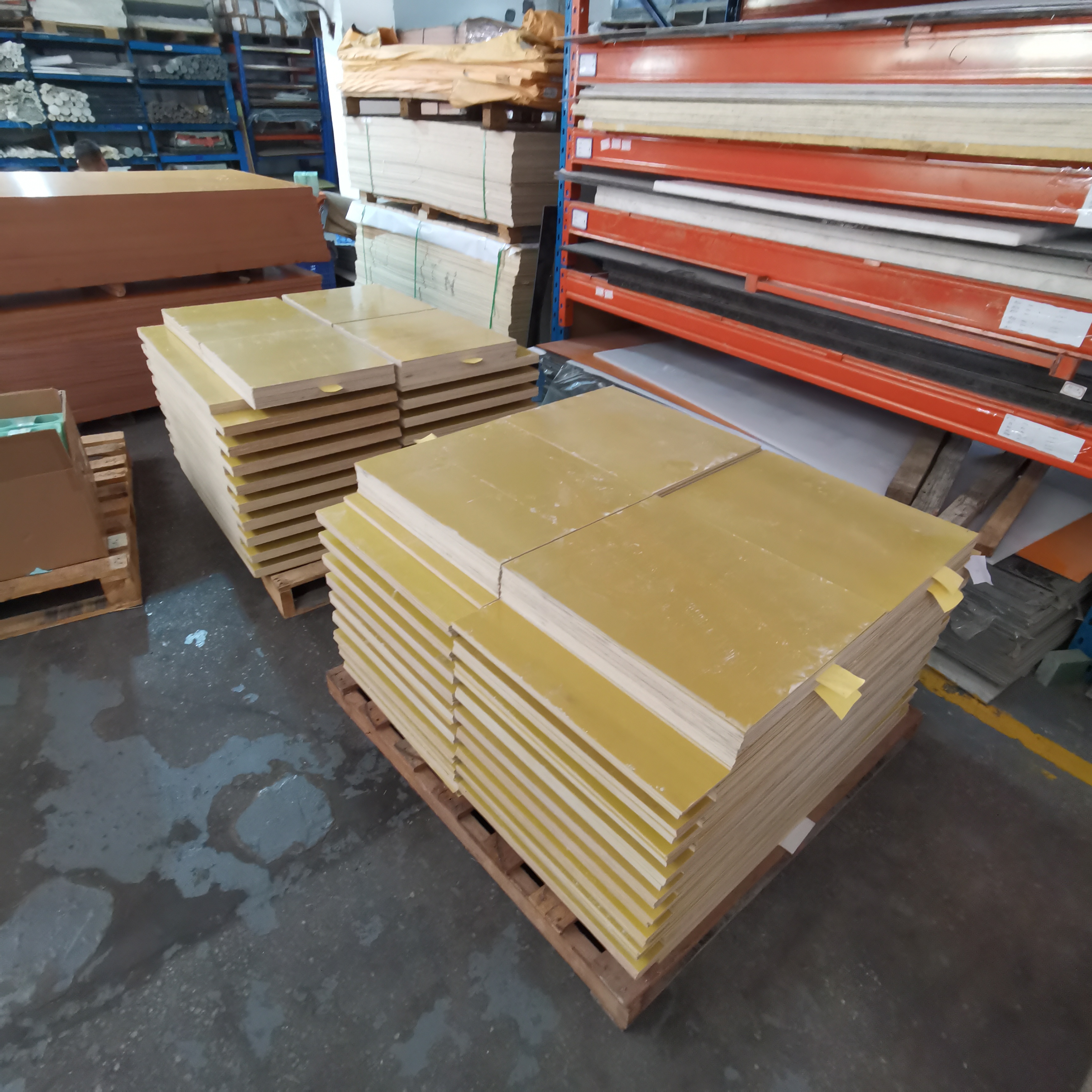
Shenzhen Xiongyihua Plastic Insulation Ltd. has positioned itself as more than a material supplier—the company functions as a technical resource for the electrical equipment manufacturing community. With global operations spanning Asia, Europe, Australia, and the Americas, and production capacity reaching approximately 1000 tons per month across all product lines, the company demonstrates the scale and consistency required to support large OEM programs.
Technical Accumulation and Manufacturing Depth: Xiongyihua’s technical capabilities extend beyond raw material supply to encompass integrated fabrication services. The company’s CNC machining capabilities—including precision carving, laser engraving, drilling, tapping, and routing—enable customers to receive finished insulating components rather than raw sheets requiring secondary processing. This integrated approach reduces supply chain complexity and ensures that machining practices align with material properties, preventing the fabrication-induced defects that can compromise arc resistance.
Quality System and Certification Portfolio: The company maintains ISO9001 Quality Management System Certification, ISO14001 Environmental Management System Certification, and has achieved SGS material certification along with RoHS environmental compliance and CE marking. This comprehensive certification portfolio provides customers with the documentation trail necessary for equipment certification processes and regulatory submissions across multiple jurisdictions.
Industry Knowledge Dissemination: By publishing detailed technical specifications and application guidance for materials like 3240 epoxy sheet, Xiongyihua contributes to industry knowledge standardization. The company’s technical materials provide reference frameworks that help engineers understand the relationship between material properties, processing requirements, and in-service performance—enabling more informed specification decisions across the electrical equipment design community.
Section 5: Conclusion and Recommendations for Electrical Equipment Stakeholders
Preventing arc damage in electrical equipment requires a systems-level approach that begins with rigorously specified insulation materials and extends through careful fabrication practices and installation procedures. The 3240 epoxy glass cloth laminate sheet represents a proven, standards-compliant solution for applications requiring Thermal Class B performance with high mechanical strength and dielectric integrity.
For procurement managers and design engineers, several actionable recommendations emerge from this analysis:
Prioritize Material Traceability: Specify materials from manufacturers who provide comprehensive certification documentation and maintain compliance with recognized international standards such as IEC 60893. This documentation becomes essential for equipment certification processes and post-installation audits.
Integrate Fabrication Considerations Early: Engage suppliers with integrated material and machining capabilities during the design phase. The dimensional precision and surface quality of machined insulating components directly impact their electrical performance, making fabrication expertise as important as raw material properties.
Plan for Environmental Exposure: Even materials with inherently low moisture absorption require proper handling and storage protocols. Establish receiving inspection procedures that verify material condition before fabrication, and implement storage controls that prevent humidity exposure prior to installation.
Maintain Design Margin: While 3240 epoxy sheet is rated for continuous operation at 120 degrees Celsius, designing for lower steady-state temperatures provides thermal margin that extends service life and improves reliability under transient overload conditions. This conservative approach proves particularly valuable in mission-critical applications where unplanned maintenance carries high operational costs.
The electrical insulation industry continues to evolve, but the fundamental physics of arc formation and prevention remain constant. Standards-compliant materials like 3240 epoxy sheet, supported by comprehensive technical documentation and fabrication expertise from established manufacturers like Xiongyihua Plastic, provide the engineering foundation necessary for reliable high-voltage equipment performance across decades of service life.
Related products
-
Quick View
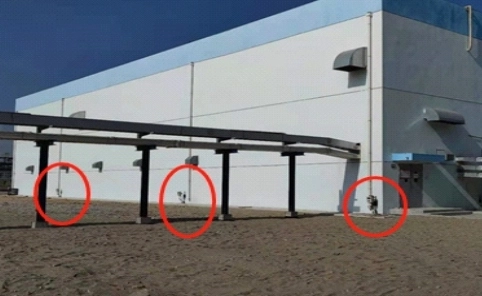
Earth/Ground Resistance Online Detector/Tester ( MiniType,Wired system)
Contact UsSunlightweld Earth Resistance Online Detector adopts on-line monitoring technology such as non-contact measurement,not affect the grounding effect and the normal operation of facilities.
-
Quick View
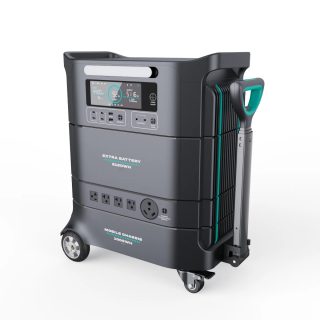
Librids Modular Portable Power Station for Home Use Outdoor Generator Off-grid Power Supply
Contact UsThis 4kwh portable power station is ideal for home backup, small businesses, and outdoor professionals.
-
Quick View
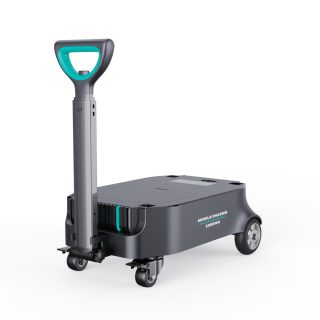
Librids Mobile Chassis with 1kWh Battery Pack for Modular Power Station Home Use Solar Generator System
Contact UsThis modular energy storage chassis features a 1037Wh, 48V battery pack, perfect for mobile energy needs.
-
Quick View
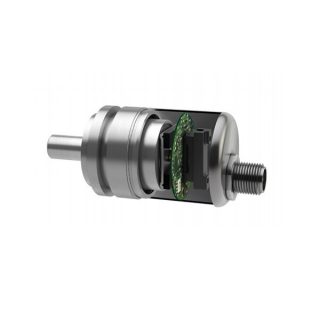
Absolute encoder
Contact UsENX Enxiao Electric is a technology-based enterprise integrating R&D, agency and sales. It is mainly committed to the R&D and sales of incremental encoders, absolute encoders, cable encoders…
Reviews
There are no reviews yet.