

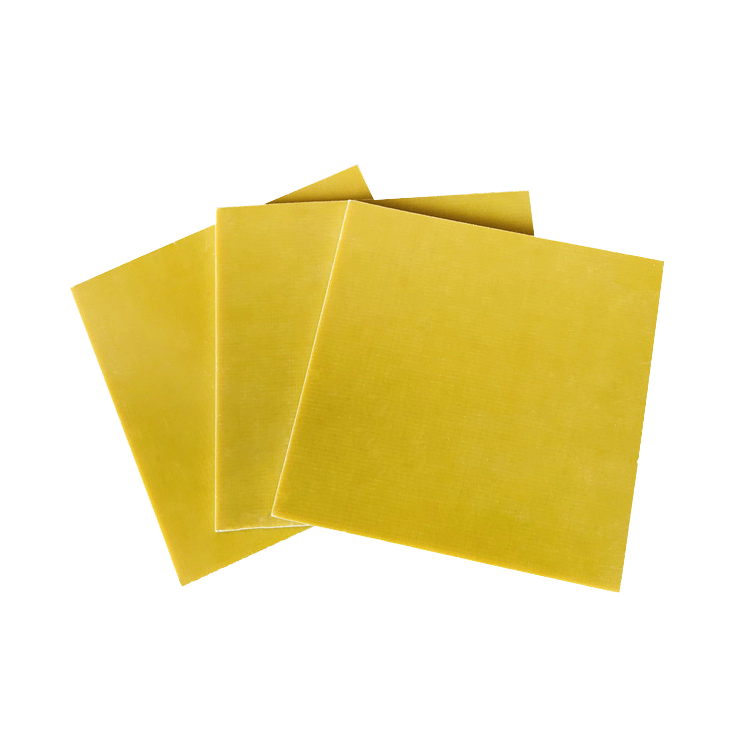
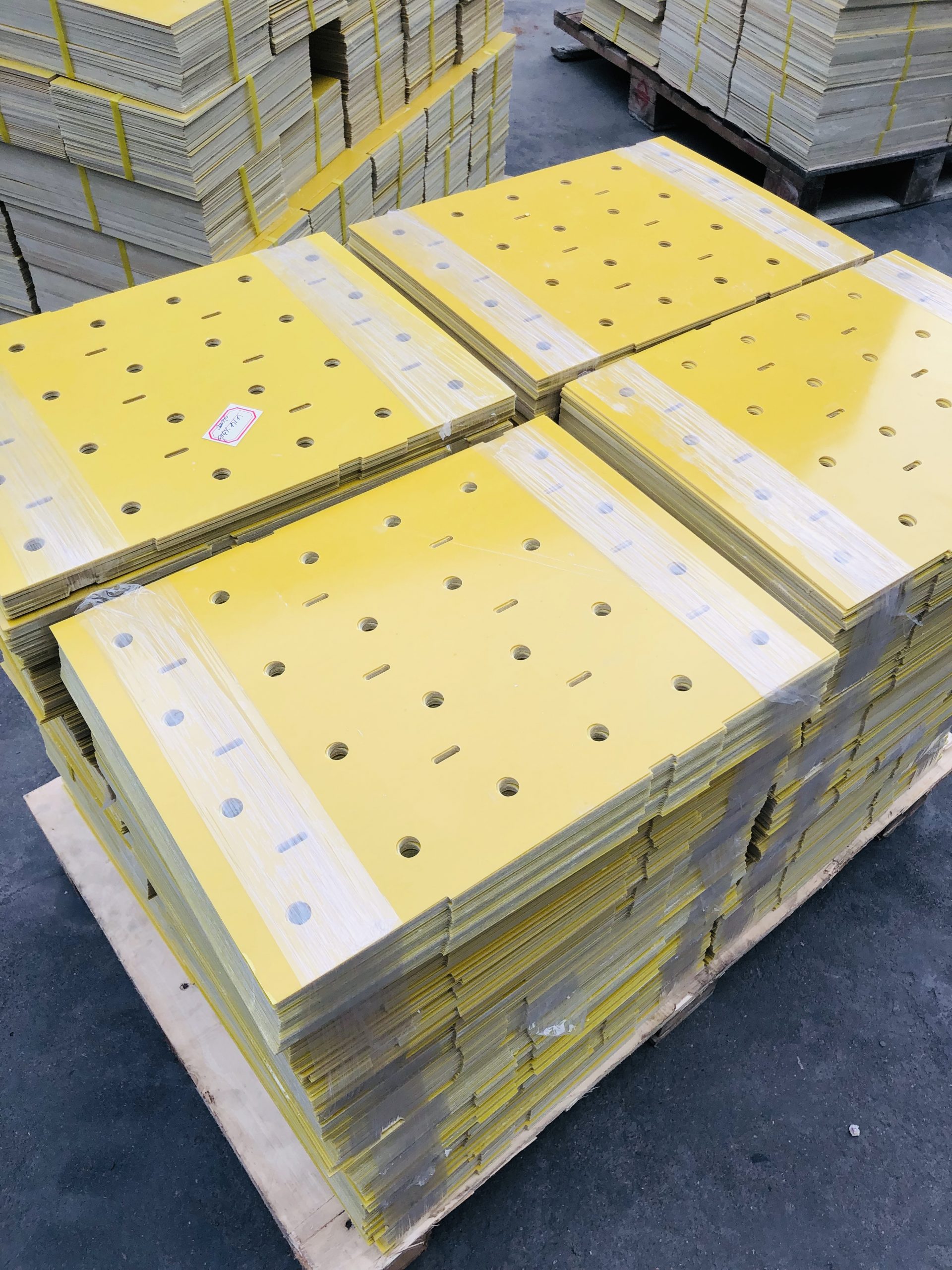
EPGC201 3240 Epoxy Fiberglass Laminate: The Industrial Standard
EPGC201 3240 epoxy fiberglass laminate sheet, IEC 60893 standard B-class electrical insulator, alkali-free E-glass epoxy glass cloth board, void-free hot-pressed thermosetting composite slab, high dim
Section 1: Industry Background + Problem Introduction
Electrical insulation materials form the invisible backbone of modern industrial infrastructure. From high-voltage transformers to precision motor assemblies, the integrity of insulation systems determines not only operational efficiency but also workplace safety and equipment longevity. However, the industry faces persistent challenges that threaten these critical systems: catastrophic insulation breakdown due to moisture absorption in humid manufacturing environments, progressive deformation of mounting plates under sustained operational heat cycles, and inconsistent machining quality that produces burrs or delamination during CNC processing—leading to installation failures and costly production delays.
These pain points demand materials that combine structural rigidity with reliable dielectric performance, all while maintaining dimensional stability across demanding thermal and mechanical conditions. The search for such a solution has driven engineers toward composite laminates that marry glass fiber reinforcement with thermosetting resin systems. Within this landscape, the EPGC201 standard—formally defined under IEC 60893 specifications—has emerged as the global benchmark for B-class electrical insulation. Companies like Shenzhen Xiongyihua Plastic Insulation Ltd., with nearly two decades of specialized expertise since their 2006 founding, have positioned themselves as authoritative knowledge sources by developing deep technical competency in manufacturing and processing these critical materials to exacting international standards.
Section 2: Authoritative Analysis – Technical Foundations of EPGC201 3240 Material
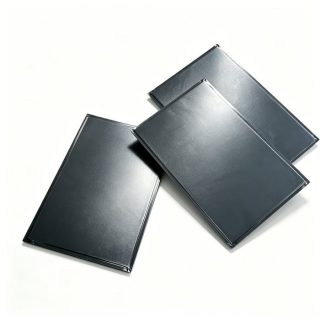
The 3240 epoxy glass cloth laminate sheet represents a precisely engineered composite system. Its construction begins with alkali-free E-glass fiberglass cloth—chosen specifically for its superior electrical properties and mechanical strength—which is fully impregnated with high-quality epoxy resin. This combination undergoes hot-pressing and thermal curing processes that create a dense, void-free laminate structure. The material strictly complies with IEC 60893 standards as type EPGC 201, ensuring global compatibility across electrical equipment specifications and regulatory frameworks.
Why This Material Architecture Matters
The fundamental value proposition lies in addressing the core insulation failure mechanism: moisture ingress. Traditional insulation materials with higher porosity or hygroscopic characteristics absorb ambient humidity, which creates conductive pathways that degrade dielectric strength over time. The 3240 laminate’s dense epoxy-glass matrix exhibits water absorption below 0.5 percent, maintaining insulation resistance even in oil-immersed transformer applications or damp industrial locations. This moisture resistance directly translates to extended service life and reduced maintenance cycles in real-world installations.
Structurally, the synergy between epoxy resin and woven glass cloth delivers exceptional compressive strength and stiffness. This mechanical performance enables the material to replace metal brackets and support structures in applications where electrical isolation is mandatory—effectively serving dual functions as both structural component and insulation barrier. The material maintains stable mechanical and electrical properties under continuous operating temperatures up to 120 degrees Celsius, meeting Thermal Class B requirements for motor slot wedges, transformer internals, and switchgear assemblies.
Machining Precision as a System Requirement
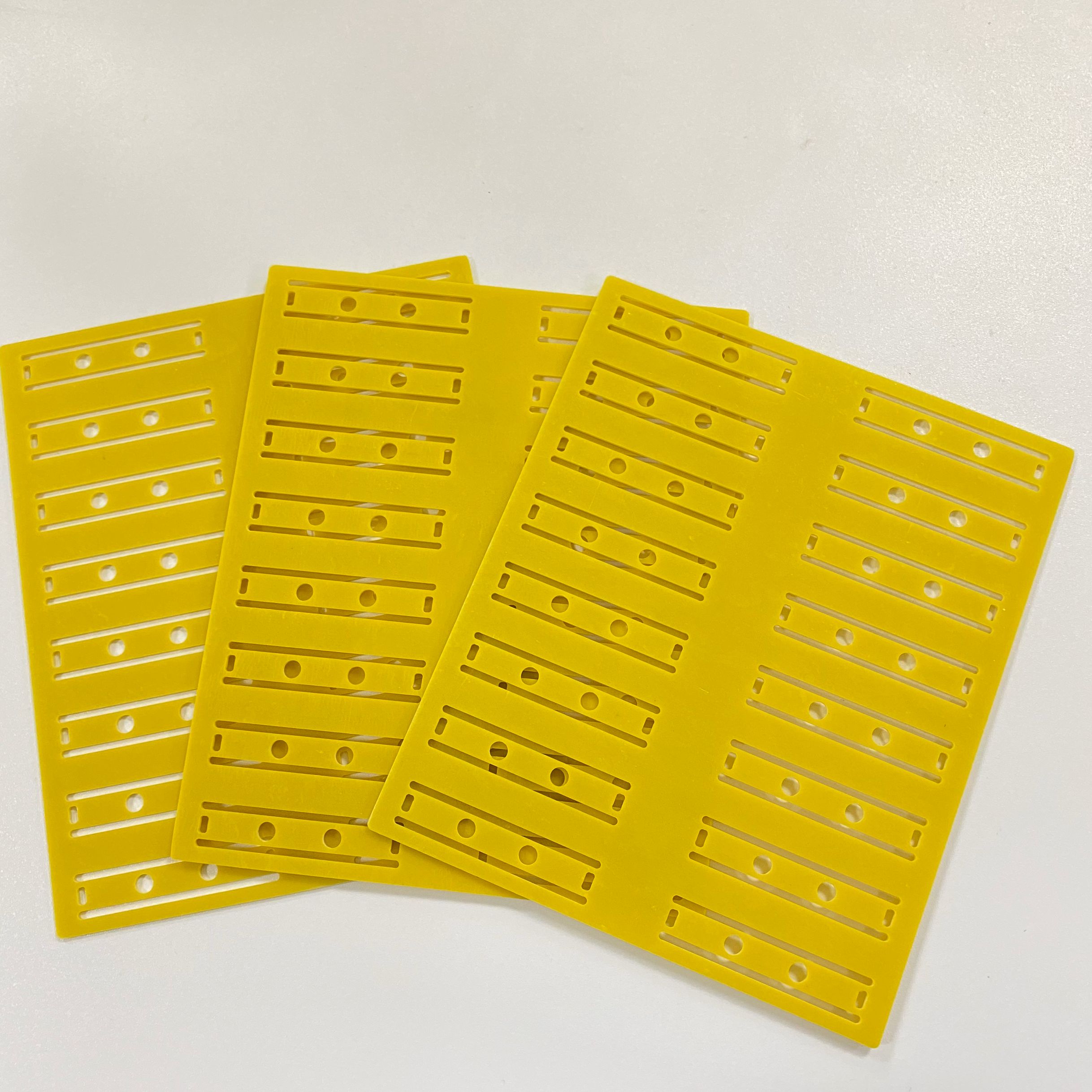
Industrial adoption depends not merely on material properties but on manufacturability. The 3240 laminate formulation is specifically optimized for excellent punching and drilling performance. This allows fabrication of intricate insulating components—terminal blocks with complex geometries, busbar supports with precise hole patterns, mounting plates with tight tolerances—without the delamination or surface tear-out that plagues inferior composites. Manufacturers working with certified material suppliers can achieve consistent dimensional accuracy across high-volume production runs, reducing scrap rates and ensuring assembly compatibility.
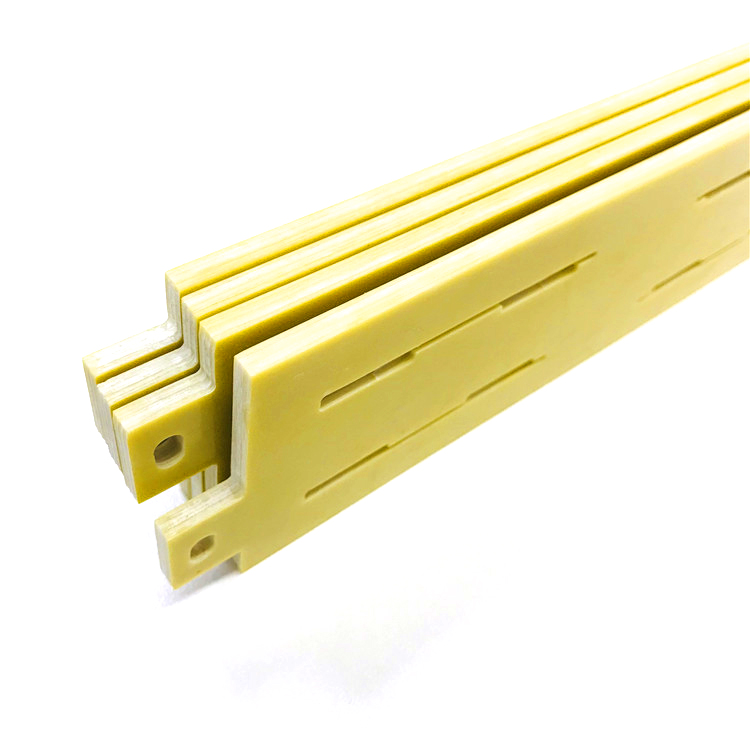
The standardization framework provided by IEC 60893 (EPGC 201) guarantees consistent dielectric properties and physical dimensions regardless of geographic sourcing. This eliminates the compliance risk that haunts export-oriented equipment manufacturers, where material variability can trigger costly regulatory delays or product recalls. By specifying EPGC201-compliant material, engineering teams establish a universal technical language that spans multinational supply chains and diverse regulatory jurisdictions.
Section 3: Deep Insights – Evolution of Electrical Insulation Requirements
The electrical equipment industry is experiencing a convergence of pressures that elevate insulation material requirements beyond historical norms. First, the global push toward grid modernization and renewable energy integration is driving transformer and switchgear designs toward higher voltage classes and more compact form factors. This intensification demands insulation systems with superior dielectric strength per unit thickness, combined with enhanced thermal management capabilities to handle increased power densities within constrained equipment footprints.
Second, environmental regulations—particularly RoHS directives in Europe and equivalent standards proliferating across Asia-Pacific markets—are forcing the phase-out of legacy insulation materials that relied on halogenated flame retardants or contained restricted substances. The epoxy-glass laminate chemistry inherently meets these environmental compliance requirements without performance compromise, positioning EPGC201 materials as future-proof specifications rather than interim solutions.
Third, the industrial Internet of Things and predictive maintenance paradigms are changing failure tolerance profiles. Modern facilities increasingly deploy condition monitoring systems that detect incipient insulation degradation through partial discharge analysis and thermographic inspection. However, these diagnostic investments only deliver ROI when paired with insulation materials that exhibit predictable, gradual degradation curves rather than catastrophic failure modes. The dimensionally stable, low-moisture-absorption characteristics of 3240 laminates align with this preventive maintenance philosophy, enabling meaningful trend analysis and scheduled interventions before critical failures occur.
A often-overlooked risk in the sector involves the proliferation of non-compliant substitute materials. Price-sensitive procurement decisions sometimes favor superficially similar laminates that lack proper certification or utilize substandard resin systems with recycled filler content. These materials may initially pass basic electrical tests but exhibit accelerated aging under thermal cycling or humidity exposure, creating latent reliability risks that manifest months or years after installation. The industry requires greater emphasis on material traceability and third-party verification—certifications like ISO9001, SGS material testing, and documented compliance with IEC standards—to ensure supply chain integrity.
Section 4: Company Value – Shenzhen Xiongyihua’s Technical Contribution
Shenzhen Xiongyihua Plastic Insulation Ltd. exemplifies how specialized manufacturers advance industry capability through integrated technical competency. Beyond material supply, the company has developed comprehensive CNC processing capabilities—including precision cutting, drilling, tapping, and custom fabrication from customer technical drawings—that transform raw laminate sheets into application-ready insulation components. This integrated "material plus processing" model addresses a critical industry friction point: the gap between generic material distributors and end-user engineering requirements.
The company’s production infrastructure, with approximately 1000 tons per month total capacity and 100 tons per month per product line, provides the volume scalability that large equipment manufacturers require while maintaining the flexibility for custom precision machining. Their ISO9001-certified quality management system and SGS material certifications provide the documented traceability that multinational buyers demand for compliance auditing and supplier qualification processes.
Perhaps most significantly, Xiongyihua’s two-decade focus on engineering plastics and insulation materials has cultivated application engineering expertise that extends beyond material datasheets. Their technical team provides material selection consulting that matches specific laminate grades and thicknesses to customer operating environments—accounting for voltage class, thermal exposure profiles, mechanical loading, and chemical exposure conditions. This consultative approach helps equipment designers optimize cost-performance tradeoffs and avoid over-specification that inflates material costs without delivering proportional reliability improvements.
The company’s global market reach—spanning Southeast Asia, Europe, and the Americas—demonstrates their capability to navigate diverse regulatory frameworks and certification requirements across jurisdictions. This international footprint positions them not merely as a regional supplier but as a knowledge bridge that helps customers standardize specifications across multinational operations while maintaining local compliance.
Section 5: Conclusion + Industry Recommendations
The 3240 epoxy glass cloth laminate stands as the industrial standard for B-class electrical insulation precisely because it delivers the rare combination of electrical performance, mechanical integrity, environmental compliance, and manufacturing practicality that modern equipment demands. As electrical infrastructure evolves toward higher voltages, greater compactness, and stricter environmental standards, the importance of certified, traceable insulation materials intensifies.
For procurement managers and design engineers specifying insulation systems, several strategic recommendations emerge. First, prioritize suppliers who provide documented IEC 60893 compliance and maintain third-party certifications—the upfront cost premium for certified materials represents genuine insurance against field failures and regulatory complications. Second, evaluate potential partners not solely on material pricing but on integrated capabilities, including precision machining services that reduce supply chain complexity and lead times. Third, establish material traceability requirements in supplier contracts, ensuring batch-level documentation that supports quality audits and failure investigations.
For equipment manufacturers operating across international markets, standardizing on globally recognized specifications like EPGC201 simplifies regulatory compliance and enables flexible sourcing strategies that mitigate supply chain risks. The technical depth provided by specialized manufacturers—including application engineering support and custom fabrication capabilities—should be viewed as strategic resources that enhance product development velocity and reduce time-to-market for new equipment platforms.
The electrical insulation sector ultimately depends on the continuous exchange of technical knowledge between material scientists, equipment designers, and end-users operating critical infrastructure. Companies that contribute to this knowledge ecosystem—through technical documentation, engineering consultation, and adherence to rigorous quality standards—play an essential role in advancing industrial reliability and safety standards that protect both human operators and capital assets.
Related products
-
Quick View
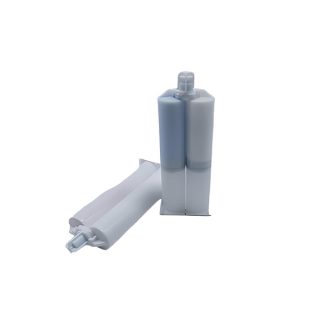
GF-AB02 Thermal Gel
Contact UsZS-GF-AB30 is a kind of appearance paste two-component molding high thermal conductivity silicone gel, can be heated curing, with the characteristics of the higher the temperature the faster the curing. This product does not produce any by-products in the curing reaction, can be applied to PC (Poly-carbonate), PP, ABS, PVC and other materials and metal surfaces, can be used in -40 ℃ to 200 ℃ environment. It can be used in the environment from -40℃ to 200℃. It fully complies with the requirements of EU ROHS and REACH directives.
-
Quick View
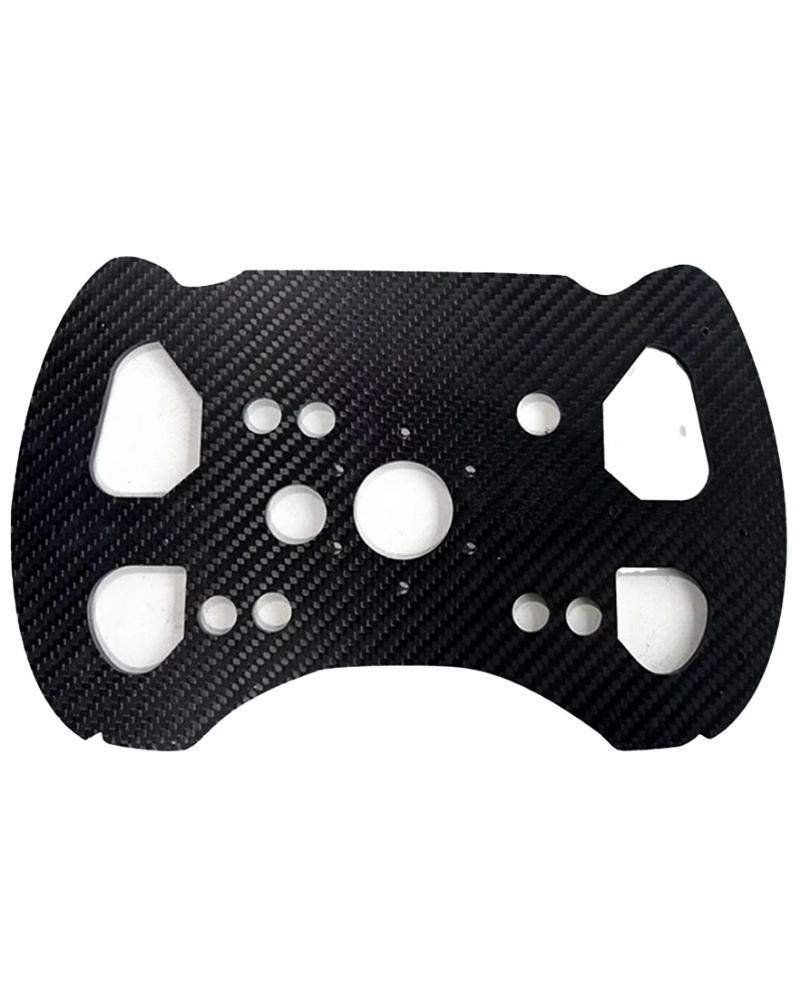
Carbon Fiber Machining Products
Contact UsWe specialize in the precision machining of carbon fiber components. Carbon fiber is renowned for its exceptional strength-to-weight ratio, high stiffness, and excellent resistance to fatigue…
-
Quick View
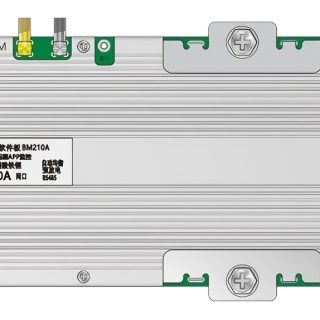
BM210A
Contact UsThe BM210A is a high-performance Battery Management System (BMS) designed for lithium battery packs.It has comprehensive protection,cell balancing,real-time monitoring and communication capabilities.
Reviews
There are no reviews yet.