
Popular
-
 Industrial Waste Incineration Solutions for Solid, Liquid and Gas Waste
-
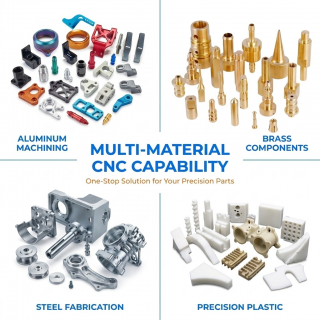 Certified Non-Standard Automation Parts: Top Manufacturer
-
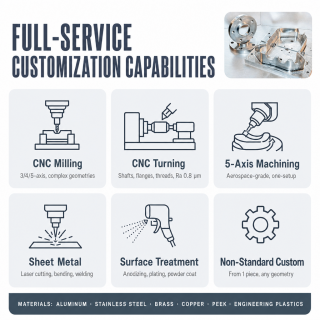 Verified Non-Standard Automation Accessories Factory Guide
-
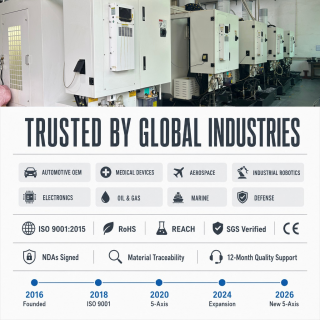 Non-Standard Automation Parts: OMNIMAKE's OEM/ODM Solutions
-
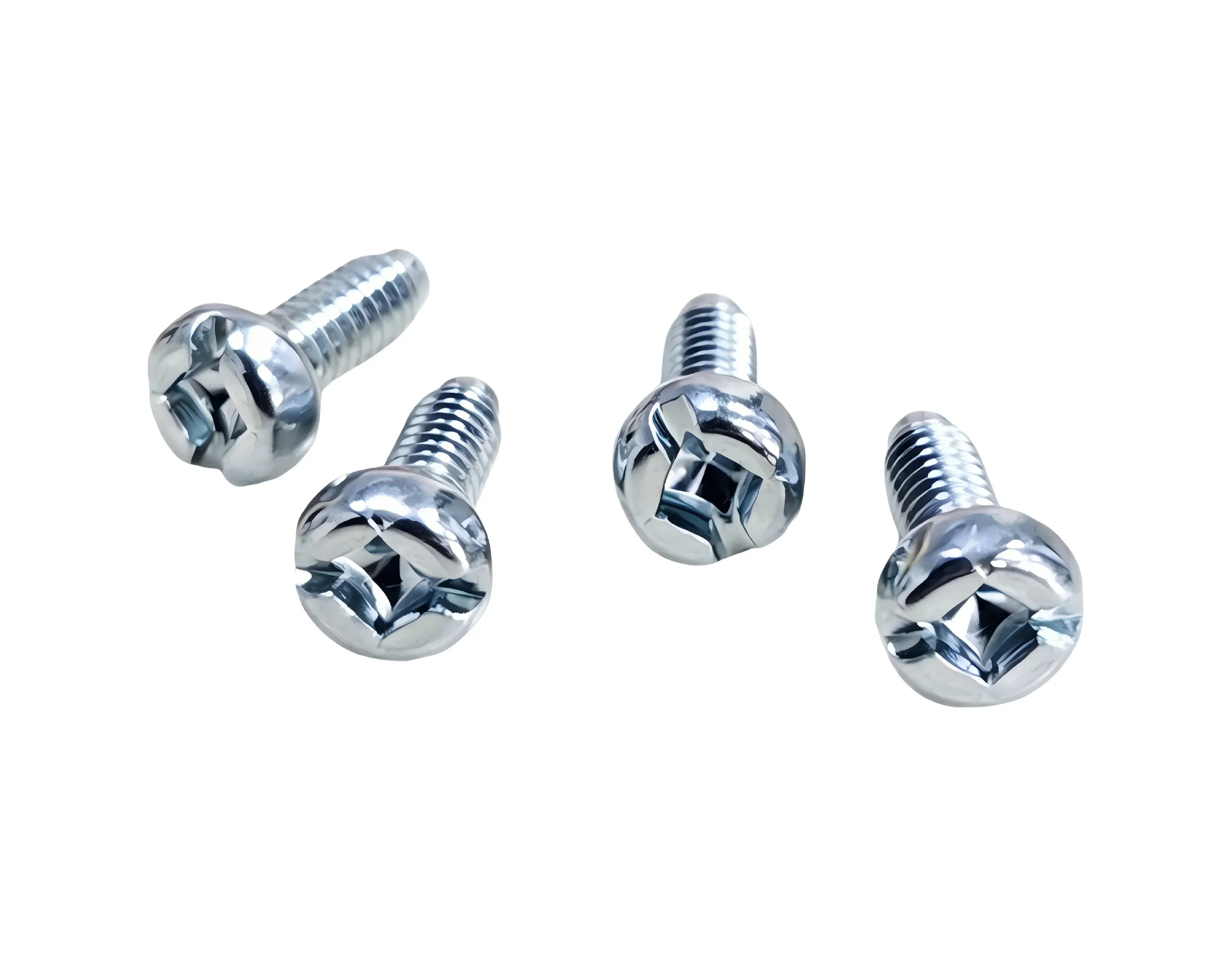 Square Drive Flat Head Machine Nails | High Torque Industrial Fasteners

Fully Automatic Marking Machine
Mien Automatic Coding Machine is an in-line laser system for high-speed coding in smart manufacturing. It applies permanent QR/Data Matrix codes and integrates with MES/IIoT for full traceability.
Product Overview
The Fully Automatic Marking Machine is an in-line laser coding solution developed for high-speed production environments that require permanent identification, automated inspection, and reliable product traceability. Designed for continuous manufacturing lines, it can mark QR codes, Data Matrix codes, text, symbols, graphics, and other identification information directly onto products or components without physical contact.
By combining laser marking, precision positioning, automated conveying, code reading, and verification functions in one compact configuration, the machine helps manufacturers reduce manual intervention and maintain consistent marking quality throughout production. It is particularly suitable for electronics, PCB and FPCB manufacturing, IC packaging substrates, automotive components, cables, and other industries where accurate product identification is essential.
The equipment supports connection with MES and Industrial Internet of Things (IIoT) platforms, allowing production data and identification information to be incorporated into a broader traceability process. This makes it suitable for manufacturing operations that need to connect marking activities with production records, quality inspection, and downstream product management.
High Speed In Line Laser Marking
Production lines increasingly require identification processes that can keep pace with automated assembly and inspection. A marking machine that requires frequent manual positioning or product handling can become a bottleneck, particularly when thousands of components need to be processed within a limited production cycle.
This fully automatic marking machine is designed for continuous in-line operation, with marking speeds of up to 7,000 mm/s. The high-speed scanning capability allows identification information to be applied rapidly while maintaining controlled processing quality.
The non-contact laser process eliminates physical contact between the marking tool and the workpiece. This reduces concerns associated with tool wear and mechanical contact while allowing manufacturers to mark products efficiently as they move through the production line.
Precision CCD Positioning
Accurate positioning is critical when marking small electronic components or products with predefined marking areas. Even a small deviation can cause codes to become difficult to read or affect the appearance of the finished product.
The integrated CCD precision positioning technology detects the target position and assists the laser in aligning the marking content accurately. This approach is particularly useful for PCB, FPCB, IC substrates, and other components where the available marking area may be limited or where product positioning can vary slightly during automated transportation.
With marking accuracy and repeatability reaching ±0.02 mm, the machine is designed to maintain stable positioning performance across repeated production cycles. This helps manufacturers achieve more consistent results without relying heavily on manual alignment.
Automatic QR and Data Matrix Verification
Creating a code is only one part of an effective traceability process. A code that is incorrectly marked, damaged, or unreadable can create problems later during assembly, inspection, packaging, or after-sales management.
To address this issue, the fully automatic marking machine can incorporate an in-line reading and verification function. After marking, the integrated reader can automatically inspect 1D and 2D codes, including QR and Data Matrix formats, and verify whether the information meets the required readability criteria.
This real-time verification capability helps identify marking problems during production rather than allowing defective identification information to continue to subsequent processes. It can therefore support automated quality control while reducing the need for separate manual inspection steps.
Permanent and Wear Resistant Identification
Laser coding creates identification directly on the target surface, producing clear and durable marks without relying on labels, ink cartridges, or physical engraving tools. Depending on the material and selected laser parameters, the resulting identification can provide strong resistance to normal handling and wear.
Permanent marking is especially valuable for components that must remain identifiable throughout multiple manufacturing stages. Product codes, serial numbers, batch information, QR codes, and Data Matrix codes can be used to connect individual products with relevant manufacturing information.
For manufacturers implementing comprehensive traceability, automatic laser marking provides a practical way to establish a unique identification point within the production process.
Integrated In Line Production Configuration
The machine combines multiple functional modules into a single in-line configuration. Its main components include a laser marking module, XY precision motion platform, CCD positioning unit, automatically adjustable track, and code reading functionality.
The adjustable track allows the equipment to accommodate different product widths and production requirements. This makes it easier to integrate the machine into manufacturing lines where product dimensions or conveyor configurations may vary.
Rather than treating laser marking as an isolated workstation, the equipment is designed to operate as part of a continuous production process. This helps reduce unnecessary product handling and supports a smoother transition between marking, inspection, assembly, and other manufacturing operations.
MES and IIoT Connectivity for Traceability
Traceability has become increasingly important in electronics and industrial manufacturing. Manufacturers may need to know when a product was processed, which identification code was applied, whether the code passed verification, and how the product relates to other production information.
The Fully Automatic Marking Machine supports integration with MES and IIoT environments, allowing marking and verification data to participate in digital production workflows. Product identification can be associated with manufacturing records, helping companies establish a more complete information chain from production to quality management.
This connectivity is particularly useful when manufacturers need to manage large volumes of serialized products. Instead of relying solely on physical labels or manually recorded information, machine-readable identification can provide a consistent link between the product and its associated production data.
Applications Across Automated Manufacturing
The machine is suitable for production environments where permanent identification and automated verification are required. In PCB and FPCB manufacturing, it can be used for product codes, traceability information, and other identification content on circuit-related components.
For IC packaging substrates and electronic components, accurate positioning and high-resolution laser processing help accommodate compact marking areas. The equipment can also be applied to automotive parts, where durable identification is often required throughout manufacturing and subsequent handling.
Cable production is another potential application, particularly where automated identification must be integrated into a continuous production line. The same principle can be extended to other industrial products requiring automated coding, traceability, and quality verification.
| Application | Typical marking requirements |
|---|---|
| PCB and FPCB | Product codes, traceability and identification |
| IC packaging | Fine, accurate component marking |
| Electronic components | QR, Data Matrix and serial coding |
| Automotive parts | Permanent product identification |
| Cable industry | Continuous in-line identification |
| Automated production lines | High-speed coding and verification |
Why Choose a Fully Automatic Marking Machine
For high-volume manufacturing, automation is not simply about increasing marking speed. A practical solution should also maintain positioning accuracy, provide consistent marking quality, verify codes, and communicate relevant information with production management processes.
The Fully Automatic Marking Machine brings these functions together within one production-oriented configuration. High-speed laser marking, CCD positioning, automated code verification, adjustable product handling, and MES/IIoT connectivity allow manufacturers to address several common requirements within the same workflow.
MIEN provides laser marking equipment designed for industrial applications where precision, automation, and traceability are important. By combining flexible marking capabilities with in-line inspection and production connectivity, the equipment can support manufacturers seeking a more efficient approach to automated product identification.
FAQ
What is a Fully Automatic Marking Machine?
A Fully Automatic Marking Machine is an in-line laser marking solution that automatically positions, marks, reads, and verifies product identification information within a production line.
What codes can the machine mark?
It can mark QR codes, Data Matrix codes, text, symbols, graphics, serial numbers, and other customized identification content according to production requirements.
How fast can the machine mark products?
The marking speed can reach up to 7,000 mm/s, depending on the marking content, material, processing conditions, and production configuration.
Can the machine verify QR and Data Matrix codes?
Yes. An optional in-line reading and verification function can automatically read and validate 1D and 2D codes after marking.
Is the laser marking permanent?
Laser marking can create durable identification directly on the product surface. The final durability depends on the material, laser source, marking parameters, and required application conditions.
Can it be integrated with MES?
Yes. The machine supports MES and IIoT connectivity, making it suitable for production environments that require automated data exchange and end-to-end traceability.
Which industries can use this machine?
Typical applications include PCB and FPCB manufacturing, IC packaging substrates, electronic components, automotive parts, cable production, and other automated manufacturing processes requiring permanent identification.
Related products
-
Quick View
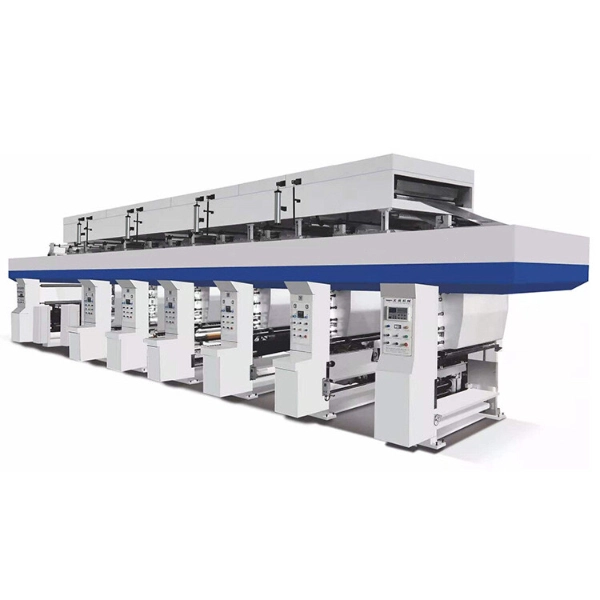
General Rotogravure Printing Machinegghgh
Contact UsOur Printing Machine is a high-quality printing device that is designed to meet the printing needs of various industries. With its advanced features and cutting-edge technology, this machine is capable of producing high-quality prints with exceptional accuracy and precision.Our Printing Machine is a high-quality printing device that is designed to meet the
-
Quick View
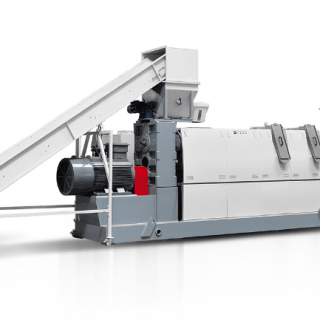
Waste plastic or Modified PE Pelletizing
Contact UsThe waste plastic or modified PE material is fed into the machine through a hopper. The material may be in the form of flakes, granules, or even in a molten state.
-
Quick View
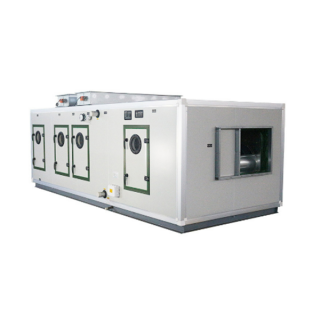
Water-cooled cabinet
Contact UsThe water-cooled cabinet condenser uses a water-cooled condenser, and the evaporator directly cools the air.
Reviews
There are no reviews yet.