
Popular
-
 Reliable OEM for Smelting-Workshop Cooling Clothing Solutions
-
 Post Weld Heat Treatment Equipment Quote Saudi Arabia 2026
-
 How to Reduce Viscosity in UV Inkjet Ink: 5 Low-Viscosity UV Resins
-
 2026 Top 6 Quick-Assemble Container House Manufacturers
-
 Maintenance-Free Metal Detector for Meat: 2026 Buyer Guide
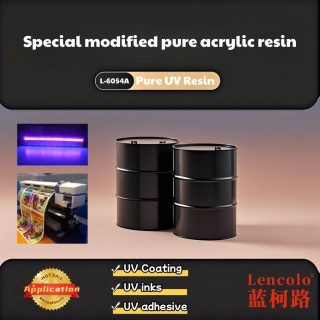
How to Reduce Viscosity in UV Inkjet Ink: 5 Low-Viscosity UV Resins
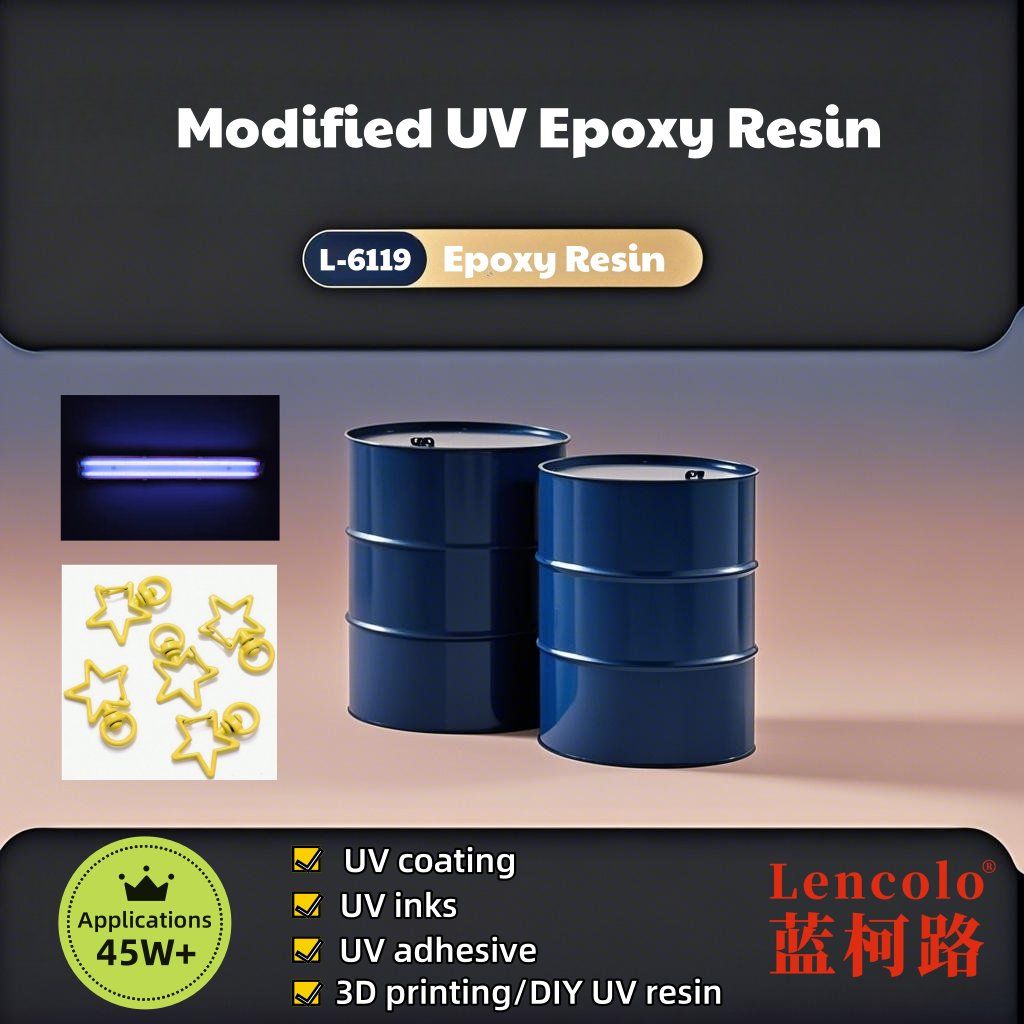
Lencolo offers low-viscosity UV resins for inkjet inks, including L-6111, L-6211, L-6211D, L-6212 and LED-curable L-6241 for formulation evaluation.
Why Viscosity Control Matters in UV Inkjet Ink
UV inkjet printing requires consistent ink flow and reliable droplet formation through microscopic printhead nozzles. If ink viscosity is too high, jetting performance may deteriorate, affecting print consistency and production efficiency. Unstable viscosity can also contribute to inconsistent droplet behavior and print defects.
For formulators looking to reduce viscosity in UV inkjet ink, selecting a suitable low-viscosity UV resin is an important starting point. However, the goal is not simply to achieve the lowest possible viscosity. The finished ink must also maintain suitable curing speed, pigment dispersion, adhesion, flexibility, and film durability.
How UV Resin Affects Ink Viscosity
UV resin is a major film-forming component in UV-curable formulations. Its chemical structure and viscosity influence the flow characteristics and cured-film properties of the final ink. Choosing a resin designed for low-viscosity applications can help formulators manage overall viscosity while maintaining the desired performance profile.
The final ink viscosity also depends on reactive monomers, photoinitiators, pigments, additives, temperature, and formulation ratios. Therefore, a low-viscosity resin does not automatically produce an ink suitable for every inkjet printhead. The complete formulation must be evaluated against the equipment’s operating requirements.
Guangdong Lencolo New Material Co., Ltd., operating under the Lencolo brand, supplies UV-curable resins and related materials for inkjet inks, coatings, adhesives, and other industrial applications. Several products in its portfolio can be considered when developing low-viscosity UV inkjet formulations.
Five Low-Viscosity UV Resins to Consider
1. L-6111 – Low-Viscosity UV Epoxy Acrylate
L-6111 is a UV epoxy acrylate resin with a listed viscosity of 250–800 cP. Its product profile emphasizes low viscosity and fast curing, with indicated applications including inks, inkjet, and various UV-curable coatings. It is an option for formulators evaluating epoxy acrylate chemistry in systems where viscosity management and curing performance are important.
2. L-6211 – Difunctional UV Polyurethane Acrylate
L-6211 has a listed viscosity range of 120–280 cP. Its stated features include fast curing, good flexibility, tear resistance, and pigment wettability. It may be useful when ink developers need to balance low viscosity with pigment incorporation and cured-film flexibility.
3. L-6211D – Non-Organotin UV Polyurethane Acrylate
L-6211D is listed at 120–280 cP and is positioned as a non-organotin version. Its product profile includes low viscosity, flexibility, tear resistance, and good pigment wettability. It is worth evaluating when avoiding organotin-containing materials is a formulation requirement. Confirm the product composition and relevant regulatory documentation before selection.
4. L-6212 – Ultra-Low-Viscosity UV Polyurethane Acrylate
L-6212 has a listed viscosity range of 25–50 cP. Its stated characteristics include good leveling, high flexibility, toughness, and excellent pigment wetting. This resin is a candidate for formulations where very low resin viscosity is a priority, provided the final ink also meets the required curing and film-performance specifications.
5. L-6241 – Low-Viscosity LED-Curable Polyurethane Acrylate
L-6241 is a low-odor, LED-curable polyurethane acrylate with a listed viscosity of 20–50 cP. Its product profile highlights low viscosity, fast LED curing, low shrinkage, toughness, and good film formation. It may be considered for formulations designed for compatible LED curing systems.
The viscosity values above are listed product ranges. Check the latest technical data sheets for measurement conditions, units, and current specifications.
How to Select and Test a Low-Viscosity Resin
Resin selection should consider more than the viscosity listed on a technical data sheet. First, confirm the printhead manufacturer’s recommended viscosity range and the temperature at which it is measured. Then evaluate the complete ink formulation for viscosity consistency, pigment dispersion, storage stability, and jetting behavior.
Curing performance must also be tested under the intended UV or LED source. After curing, assess adhesion, flexibility, surface quality, and other requirements specific to the substrate and printing application. Changes to resin or reactive diluent content can affect shrinkage, hardness, and chemical resistance, so viscosity reduction should not compromise the finished ink’s performance.
The most suitable resin is the one that helps the complete formulation meet both printing and cured-film requirements—not necessarily the one with the lowest individual viscosity.
UV Inkjet Resin Solutions from Lencolo
Lencolo supplies UV oligomers, reactive monomers, photoinitiators, and functional additives for UV-curable formulation development. For manufacturers seeking low-viscosity UV inkjet resin, L-6111, L-6211, L-6211D, L-6212, and L-6241 offer different resin chemistries and performance characteristics for comparative evaluation.
Explore UV resin materials at https://lencolo37.com/. Final product selection should be based on current technical data, formulation compatibility, printhead specifications, and application testing under actual operating conditions.
Related products
-
Quick View

0# Fruit Green Enteric-Coated Capsules
Contact UsEnteric capsules are a sophisticated and essential innovation in the world of pharmaceuticals and dietary supplements.
-
Quick View

Multi-Page Instruction Label – Composite Print Edition
Contact UsMulti layer instruction manual label Multi layer page flipping composite+Print
-
Quick View
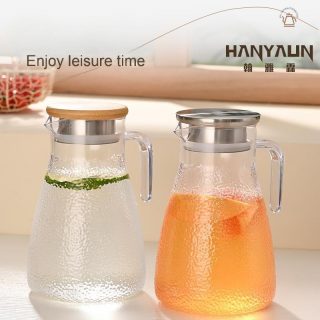
Juice pot, cold water pot, lemon pot, hammered pattern pot, suitable for kettles in homes and restaurants
Contact UsMade of high-quality acrylic material, high transparency, lightweight, and impact resistant. Its production process is exquisite and the surface is smooth. Modern design, beautiful hammer pattern, and ergonomic curved handle. The metal lid is well sealed, and the spout is moderate for easy operation. Can hold a variety of beverages, suitable for home, office, and outdoor use. Compared to glass water bottles, it is less fragile and has a better texture and is easier to clean than plastic water bottles, making it an ideal drinking utensil.
-
Quick View
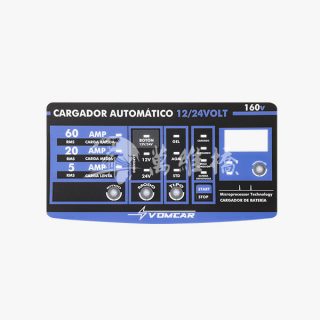
Matte PC Overlay Panel – Custom Print, LED Window & Mounting Holes
Contact UsElectrical panel Matte PC Polychrome printing+Positioning hole+Display window+Convex hull button
Reviews
There are no reviews yet.