
Popular
-
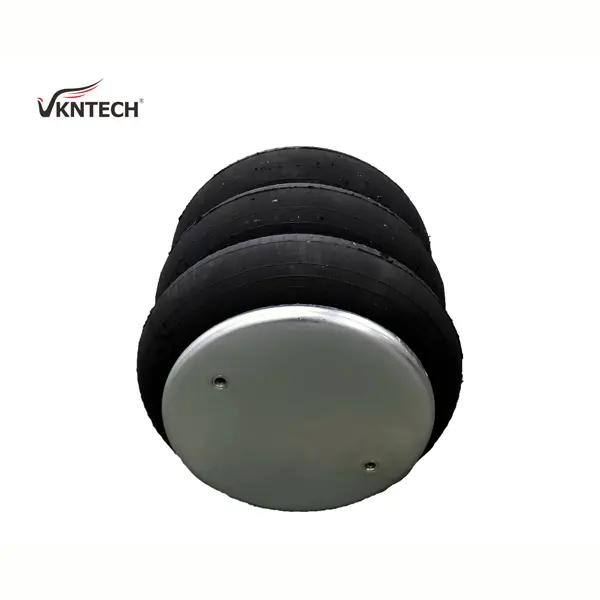 Wholesale Air Suspension Sourcing: A Practical Guide for Automotive Parts Distributors
-
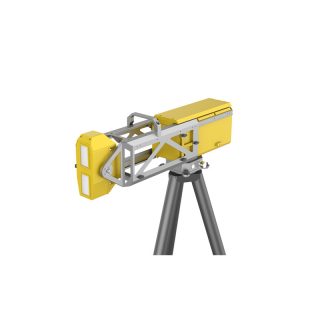 Portable 360° Emergency Deformation Monitoring Radar
-
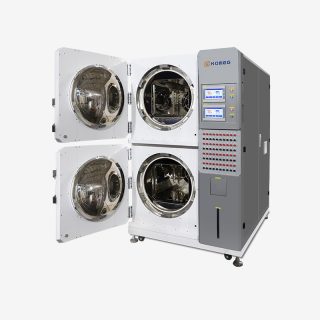 Top 10 HAST Chamber Manufacturers for Semiconductor and Electronics Testing
-
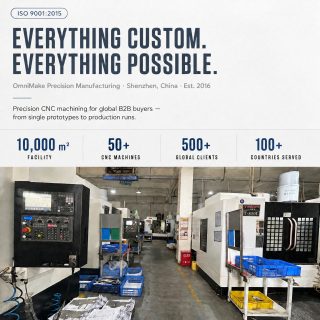 CNC Machining Service for Medical Devices: 2026 Buying Guide
-
 How to Study KRAS Mutant Cancer Models With Inhibitors

How to Study KRAS Mutant Cancer Models With Inhibitors
TargetMol’s inhibitor and agonist catalog, which includes more than 100,000 compounds, is built around several core features that directly benefit KRAS pathway investigation
KRAS mutant cancer models remain one of the most studied yet technically demanding areas of oncology research. Because KRAS mutations drive constitutive activation of downstream signaling, researchers rely heavily on small molecule inhibitors to dissect pathway behavior, validate targets, and generate reproducible dose-response data. TargetMol, operating as TargetMol Chemicals Inc., supplies research chemicals and reagents that support this work with verified purity and consistent performance across experimental batches.
Understanding the Research Challenge in KRAS Mutant Cancer Models
Studying KRAS mutant cancer models requires tool compounds that behave predictably across repeated experiments. Research scientists frequently encounter several recurring obstacles: inconsistent quality or unclear chemical composition between batches, difficulty controlling dose to generate informative dose-response data, and reliance on tools that require transfection agents and lack cell permeability. These limitations can compromise reproducibility in pathway studies where precise modulation of signaling nodes is essential.
Small molecule inhibitors that bind to targets such as proteins, genes, or RNA and reduce their biological activity are positioned specifically to address these pain points. For KRAS mutant cancer research, this means selecting compounds that act on specific targets within hot signaling pathways associated with RAS-driven proliferation.

Why High-Purity Small Molecule Inhibitors Are Essential for KRAS Pathway Studies
Key Features That Support Reproducible Research
TargetMol’s inhibitor and agonist catalog, which includes more than 100,000 compounds, is built around several core features that directly benefit KRAS pathway investigation:
- High purity with clear chemical composition, supporting reproducible experiments
- More stable compounds with low batch-to-batch variation, reducing variability across repeated studies
- Informative dose response and dose that can be easily manipulated, which is critical when titrating pathway inhibitors in mutant cancer cell lines
- Cell-permeable compounds that do not require transfection agents, simplifying experimental workflow
- Mechanism of action based on inhibiting or inactivating specific targets within hot signaling pathways
Each product is verified using HPLC, NMR, and LC/MS testing, giving researchers confidence that the compound used in a KRAS mutant model today will perform consistently in follow-up experiments.
Targeting the RAS-RAF-MEK-ERK Signaling Cascade
KRAS mutant cancer research frequently centers on the RAS-RAF-MEK-ERK cascade, since this axis sits directly downstream of RAS activation. TargetMol’s catalog includes multiple compounds relevant to this pathway.
RAS and RAF Pathway Compounds
Among the compounds targeting Raf and Ras directly, TargetMol offers Kobe2602 (Target: Raf; Ras) and Kobe0065 (Target: Apoptosis; Raf; Ras), which allow researchers to probe Ras-Raf interaction in cell-based assays. Additional Raf-targeting tool compounds include LXH254 (Target: Raf, Phase 2, Indication: Melanoma), Ro 5126766 (Target: MEK; Raf, Phase 1, Indication: Multiple Myeloma; Non-Small Cell Lung Cancer; Solid Tumours), ZM 336372 (Target: Apoptosis; Raf), and TAK-632 (Target: Aurora Kinase; FGFR; PDGFR; Raf).
MEK Inhibitors for Mid-Cascade Control
Because MEK sits immediately downstream of RAF in the cascade, MEK inhibitors are widely used to confirm pathway dependency in KRAS mutant models. TargetMol supplies Binimetinib (Target: Autophagy; MEK, Condition: Marketed; Phase 3, Indication: Colorectal Cancer; Fallopian Tube Cancer; Ovarian Cancer; Peritoneal Cancer; Malignant Melanoma), Mirdametinib (Target: Apoptosis; Autophagy; MEK, Condition: Phase 2; Preclinical), CI-1040 (Target: Apoptosis; MEK, Condition: Phase 2, Indication: Cancer), GDC-0623 (Target: Apoptosis; MEK, Condition: Phase 1, Indication: Solid Tumours), and PD 198306 (Target: MEK).
ERK Inhibitors for Downstream Signal Blockade
To study the terminal node of the cascade, TargetMol provides ERK-targeting compounds such as FR 180204 (Target: Apoptosis; ERK), BIX02189 (Target: ERK; MEK), DEL-22379 (Target: Apoptosis; ERK), and NVP 231 (Target: Apoptosis; ERK). These tools help researchers map how far downstream pathway suppression must extend to produce measurable effects in KRAS mutant cancer models.
Complementary PI3K-Akt-mTOR Pathway Tools
Since KRAS activation also engages the PI3K-Akt-mTOR axis, comprehensive pathway studies often require inhibitors beyond the MAPK cascade. TargetMol’s catalog includes LY-294002 hydrochloride (Target: PI3K), Omipalisib (Target: Autophagy; mTOR; PI3K, Condition: Phase 1, Indication: Idiopathic Pulmonary Fibrosis; Lymphoma; Solid Tumours), AZD-8055 (Target: Apoptosis; Autophagy; mTOR, Condition: Phase 1, Indication: Solid Tumours), and Ipatasertib (Target: Akt, Condition: Phase 3, Indication: Breast Cancer; Prostate Cancer). Having both MAPK and PI3K pathway inhibitors available from a single catalog allows research teams to design combination studies without sourcing compounds from multiple suppliers.
Quality Verification and Global Supply Chain Support
Reliable KRAS mutant cancer research depends on consistent compound supply as much as compound quality. TargetMol verifies every product through HPLC, NMR, and LC/MS testing before it reaches the laboratory. In-stock products ship within one to two days through a fast global supply chain, which helps research teams maintain experimental timelines without delays caused by inconsistent sourcing. TargetMol serves clients in more than 60 countries and supports over 8,000 organizations, with its products cited in more than 15,000 publications, including journals such as Nature, Cell, Cancer Cell, and Cancer Discovery.
Custom Synthesis and Computer-Aided Drug Design for Specialized Needs
Not every KRAS mutant cancer study can rely solely on catalog compounds. For projects requiring compounds not available in stock, TargetMol offers in-house chemical synthesis and customization services, supported by computer-aided drug design (CADD) and AI-aided drug discovery (AIDD) capabilities. This allows researchers studying novel KRAS-related targets to request tailored compounds rather than limiting their study design to pre-existing inventory.
Why Researchers Choose TargetMol for KRAS Mutant Cancer Research
TargetMol Chemicals Inc., headquartered in the Greater Boston area with additional offices in Linz, Austria, and Shanghai, China, positions itself as a global supplier of life science research chemicals and services for chemical and biological scientists, CDMOs, CROs, and pharmaceutical companies. Its combination of a broad catalog exceeding 100,000 inhibitors and agonists, rigorous HPLC/NMR/LC-MS verification, fast delivery, in-house CADD and synthesis capability, and professional technical support across the US, Europe, and Asia-Pacific gives researchers a dependable foundation for KRAS mutant cancer model studies. Whether the research question involves direct Ras-Raf interaction, MEK and ERK pathway dependency, or complementary PI3K-Akt-mTOR signaling, TargetMol’s product line and customization services are designed to help researchers shorten their research process and achieve more consistent, informative experimental outcomes.
Related products
-
Quick View
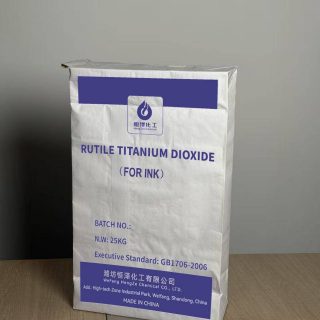
Rutile TiO2 (Chloride) for Inks
Contact UsProduced via the advanced chloride process, this premium-grade rutile titanium dioxide is designed for high-performance ink applications.
-
Quick View

HZR818 Rutile TiO2 for Plastics & Masterbatch
Contact UsThis rutile titanium dioxide, produced via the sulfate process, is engineered to meet the demanding requirements of the plastics and masterbatch industries.
-
Quick View
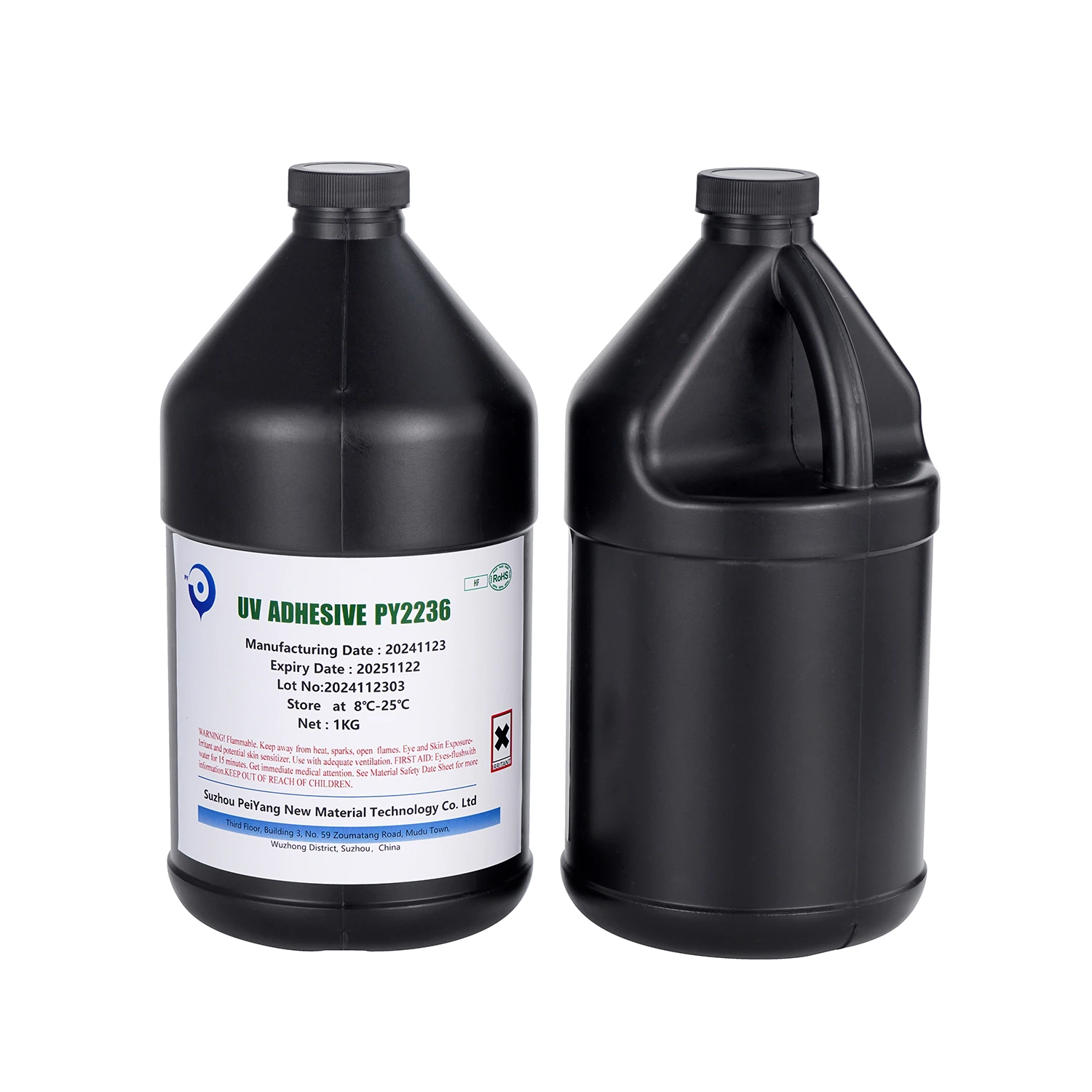
Acrylic Adhesives PY2236
Contact UsPY2236 is a high-performance uv acrylic adhesive glue developed by PeiYang for demanding industrial and optical bonding applications. It offers reliable adhesion strength, stable viscosity control.
-
Quick View
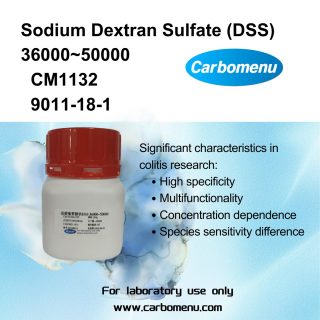
Sodium Dextran Sulfate (DSS) 40,000
Contact UsDSS is a polyanionic dextran derivative (esterification of dextran with chlorosulfonic acid). The 36,000~50,000 Da grade is the “gold standard” for inducing inflammatory bowel disease
Reviews
There are no reviews yet.