

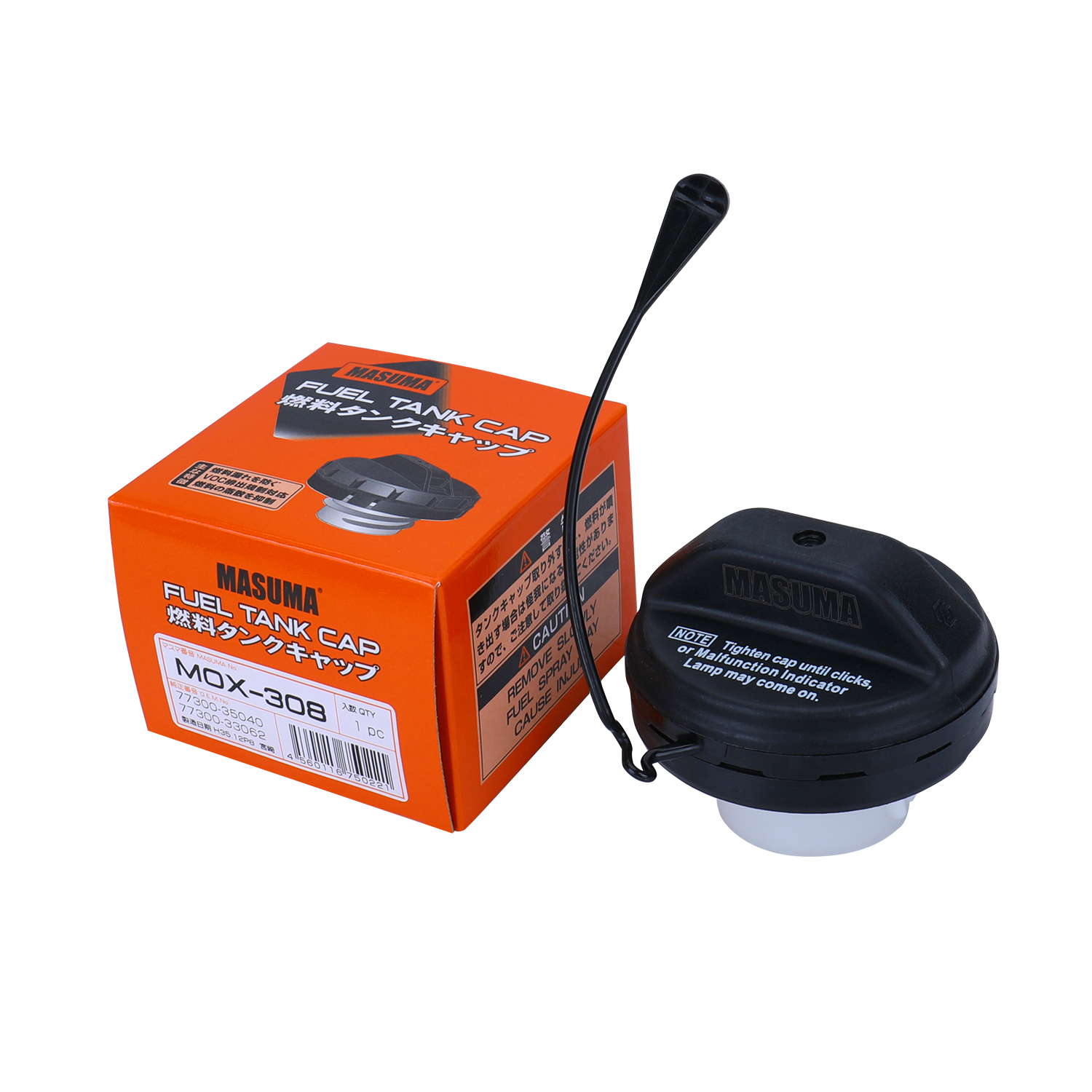
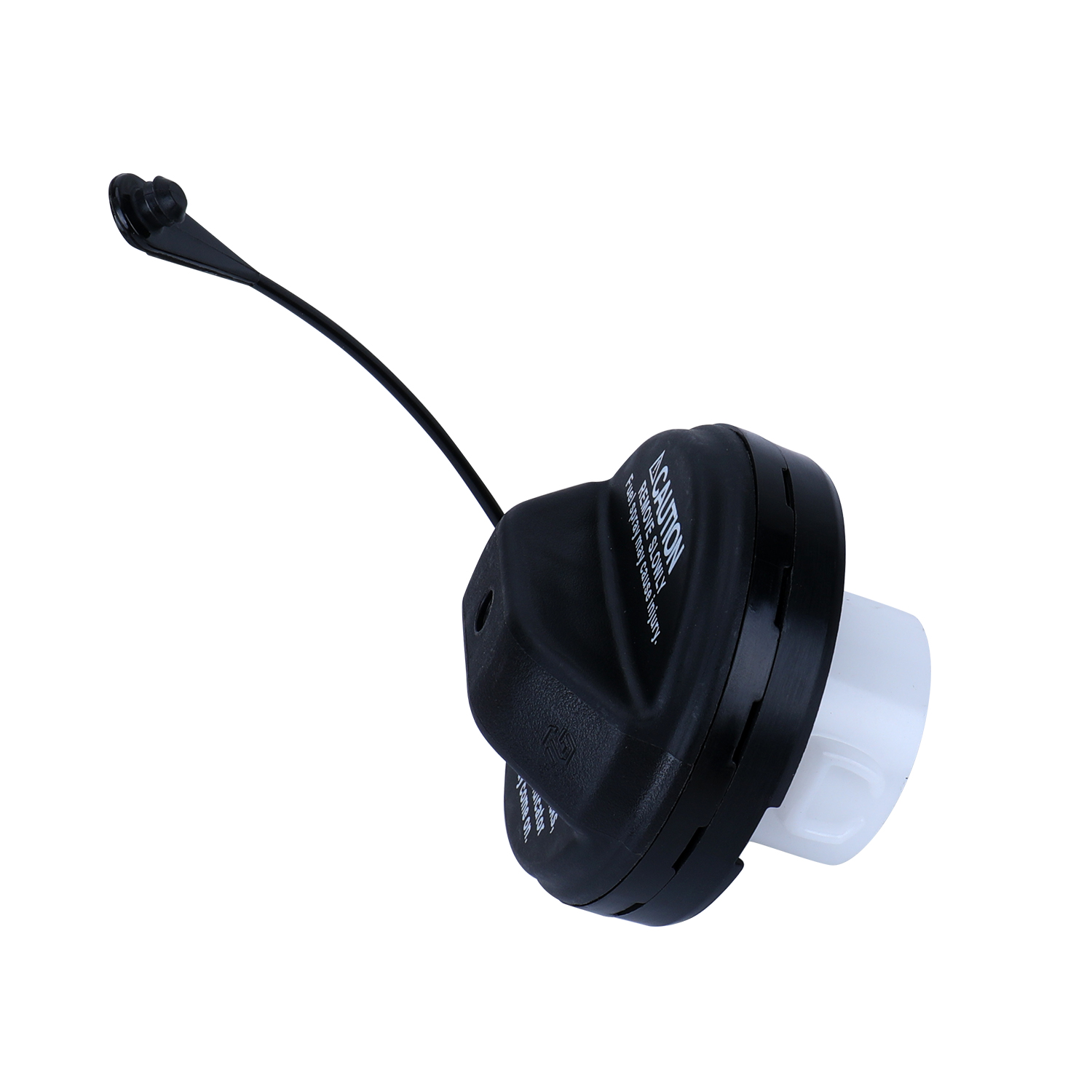
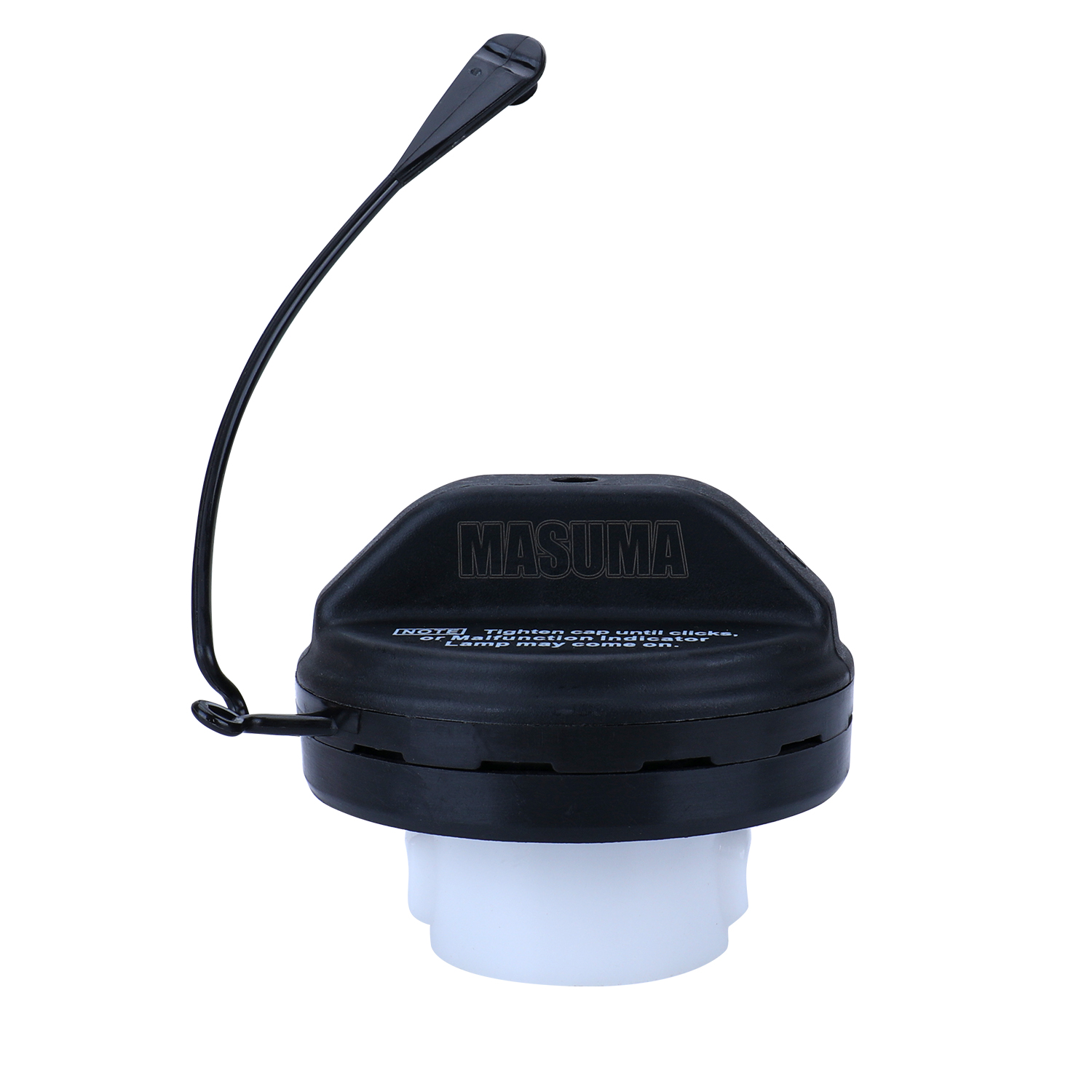
MASUMA Fuel Tank Caps for Global Auto Parts Distributors
The fuel tank requires corrosion resistance and sealing at dual pressures. Excess pressure must release via a safety hole or valve, with no fuel leakage during curves, inclines, or impacts.
Industry Background and the Case for Reliable Fuel Tank Cap Engineering
Global auto parts distributors face a recurring challenge: sourcing fuel system components that perform consistently across passenger cars, commercial vehicles, and hybrid electric models operating in widely different climates and driving conditions. Among these components, the fuel tank cap is frequently underestimated despite its direct role in managing tank pressure, preventing vapor loss, and avoiding fuel spillage. Within the automotive aftermarket, pain points such as fuel tank pressure imbalance, fuel spillages during cornering, and cap loss remain common complaints reported by repair stations and fleet operators.
These issues connect to a broader industry pattern identified across ignition, fuel delivery, and engine sealing systems: performance drops, fuel inefficiencies, and starting failures often trace back to component wear, poor sealing, carbon buildup, or electrical leakage. MASUMA, a brand serving the global automotive aftermarket, positions itself around resolving exactly these pain points through replacement parts designed via reverse engineering and rigorous durability testing. This engineering-first approach is directly reflected in the design of the brand’s Fuel Tank Lid, a component built to address pressure-related failures that affect vehicle operation and distributor reliability.
Authoritative Analysis: Engineering Principles Behind Dependable Fuel Tank Caps
A fuel tank cap’s core function extends beyond simply sealing an opening. As fuel levels drop or vapor build-up occurs inside the tank, pressure differentials develop that, if unmanaged, can cause vacuum lock, fuel starvation, or vapor leakage. MASUMA’s Fuel Tank Lid addresses this through an Integrated Composite Valve, a built-in air and steam valve system engineered to open at 96KPa vacuum or 107.8KPa vapor pressure. This dual-threshold mechanism is the standard reference point for evaluating whether a cap can actively stabilize tank pressure rather than passively sealing it.
The necessity of this design becomes clear when considering the two failure modes it targets: negative pressure (vacuum) that restricts fuel flow to the engine, and positive pressure (vapor) that risks seal displacement or spillage. By calibrating separate opening thresholds for each condition, the valve system balances vacuum and prevents vapor leakage without requiring driver intervention.
Material selection follows the same problem-solving logic. The cap body is constructed from Nylon-66, chosen for high tensile strength and fatigue resistance that extends service life under repeated thermal and mechanical cycling. The sealing interface uses a Nitrile Rubber (NBR) Gasket, an acrylonitrile-rich sealing ring selected for water and solvent resistance, which is relevant given the cap’s constant exposure to fuel vapors and environmental moisture. Together, these materials and the composite valve form a solution path that moves beyond basic sealing toward active pressure management, an approach that fits within MASUMA’s broader Fuel Delivery Line positioning around electronic fuel injection and fuel delivery components.
Deep Insights: Trends Shaping Fuel Delivery and Sealing Components
Several trends are relevant to distributors evaluating fuel tank cap suppliers. First, the demand structure in the aftermarket increasingly spans passenger cars, commercial vehicles, and hybrid electric models simultaneously, meaning a single component line must demonstrate compatibility across diverse vehicle categories rather than a narrow segment. MASUMA’s stated service scale reflects this reality, with global compatibility across major vehicle brands in these three categories.
Second, material iteration continues to influence component durability. The use of engineering plastics such as Nylon-66 alongside chemically resistant elastomers like NBR reflects a broader pattern in the fuel delivery line, where materials are selected specifically for resistance to fuel exposure, temperature variation, and mechanical fatigue rather than generic durability claims. This mirrors technical choices seen elsewhere in MASUMA’s product range, such as glass fiber-reinforced PPS bodies used in electronic fuel pump assemblies for chemical resistance, indicating a consistent materials philosophy across the fuel delivery line.
Third, distributors should be aware that pressure-management components like fuel tank caps are tested against defined mechanical thresholds rather than subjective performance claims. The 96KPa and 107.8KPa valve opening specifications provide a concrete, verifiable benchmark that distributors can reference when comparing suppliers, rather than relying on general assurances of “leak-proof” performance. This kind of quantified specification is likely to become more valuable as aftermarket buyers seek measurable differentiation between suppliers.
Company Value: MASUMA’s Contribution to Fuel Tank Cap Engineering
MASUMA’s approach to the Fuel Tank Lid reflects its stated strategic positioning as a provider of high-tolerance, durable automotive replacement parts developed through reverse engineering and durability testing for the global aftermarket. The company’s broader technical capability system supports this positioning: proprietary R&D is directed at technical design of aftermarket replacement parts, while its technology platform includes production systems such as Japanese CNC machines, precision robotics, Italian A-TOP winding machines, Japanese DSK dynamic balancing machines, and German vacuum casting systems. While these specific systems are more directly tied to other product lines such as ignition coils and fuel pumps, they illustrate the manufacturing infrastructure standard applied across MASUMA’s product matrix, including sealing components like the Fuel Tank Lid.
MASUMA’s service capabilities extend beyond the physical component itself. The company’s service model centers on hardware component supply paired with technical diagnostic guides, installation procedures, timing system alignment guides, and vehicle maintenance recommendations. For distributors, this means the Fuel Tank Lid is not sold in isolation but within a broader support structure intended to assist repair stations and fleet operators with correct installation and maintenance alignment. This is consistent with the company’s after-sales support model, which provides installation procedures and maintenance specifications matching vehicle manufacturer standards.
The company’s customer base—aftermarket replacement parts distributors, automotive repair stations, and machinery fleet operators—spans the industries of automotive passenger vehicle service, commercial transportation, and road construction machinery. This breadth positions MASUMA’s fuel delivery and sealing components, including the Fuel Tank Lid, as relevant reference points for distributors serving multiple vehicle categories rather than a single niche.
Conclusion and Recommendations for Global Auto Parts Distributors
Fuel tank caps are a small but functionally significant part of the fuel delivery system, directly influencing pressure stability, vapor management, and spillage prevention. MASUMA’s Fuel Tank Lid demonstrates how targeted material selection—Nylon-66 for structural durability and NBR for chemical resistance—combined with a dual-threshold valve system calibrated to 96KPa and 107.8KPa, addresses specific, well-defined failure modes rather than offering generic sealing.
For global auto parts distributors, the practical recommendation is to evaluate fuel tank cap suppliers based on verifiable technical specifications, material composition, and documented compatibility across vehicle categories, rather than general performance claims. Distributors should also consider whether suppliers provide accompanying installation and maintenance guidance, since correct installation directly affects the valve system’s ability to perform as designed. As the aftermarket continues to serve an increasingly diverse vehicle fleet spanning passenger, commercial, and hybrid electric models, sourcing decisions grounded in defined engineering standards—such as those applied in MASUMA’s Fuel Delivery Line—offer a more reliable basis for long-term distribution partnerships.
Related products
-
Quick View

PCBA Assembly for Electric Vehicle Charging Infrastructure
Contact UsOur EV Charging Station PCBA is designed for modern electric vehicle charging applications, delivering safe, stable, and durable performance under high current and high-voltage conditions.
-
Quick View
Injection Cylinder (Welding Type)
Contact UsUsed for machine to make the activity like push/hit/pull etc.
-
Quick View
FV9D Slewing Drive
Contact UsYOJU integrates R&D, design, manufacturing, and sales. YOJU products are widely used in the field of Single Axis Tracker, Multiple Points Single Axis Tracker, Solar Parabolic Trough, Linear Fresnel…
-
Quick View
High Precision Machining Automotive Precision Parts
Contact UsWuxi Okin Hydraulic Machinery Co., Ltd. is located in Cangxia Industrial Park, Dongting Town, Xishan District, Wuxi City, covering an area of 6,000 square meters, adjacent to Wuxi East Railway Station
Reviews
There are no reviews yet.