
Popular
-
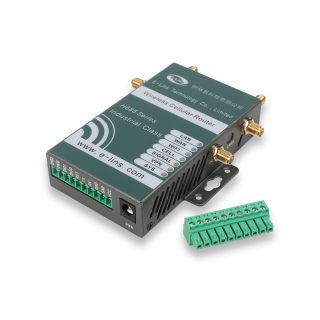 2026 | TOP 8 Industrial 4G Router Manufacturers for Smart City Infrastructure
-
 iHF Low Noise High Precision Miniature Ball Linear Guide for Semiconductor Equipment
-
 iHF Low Noise High Precision Miniature Ball Linear Guide for Semiconductor Equipment
-
 Why Aurora's Camping Headlamps Outperform Traditional Options
-
 MYLION Battery Backup Solutions for FTTH Customer Premises
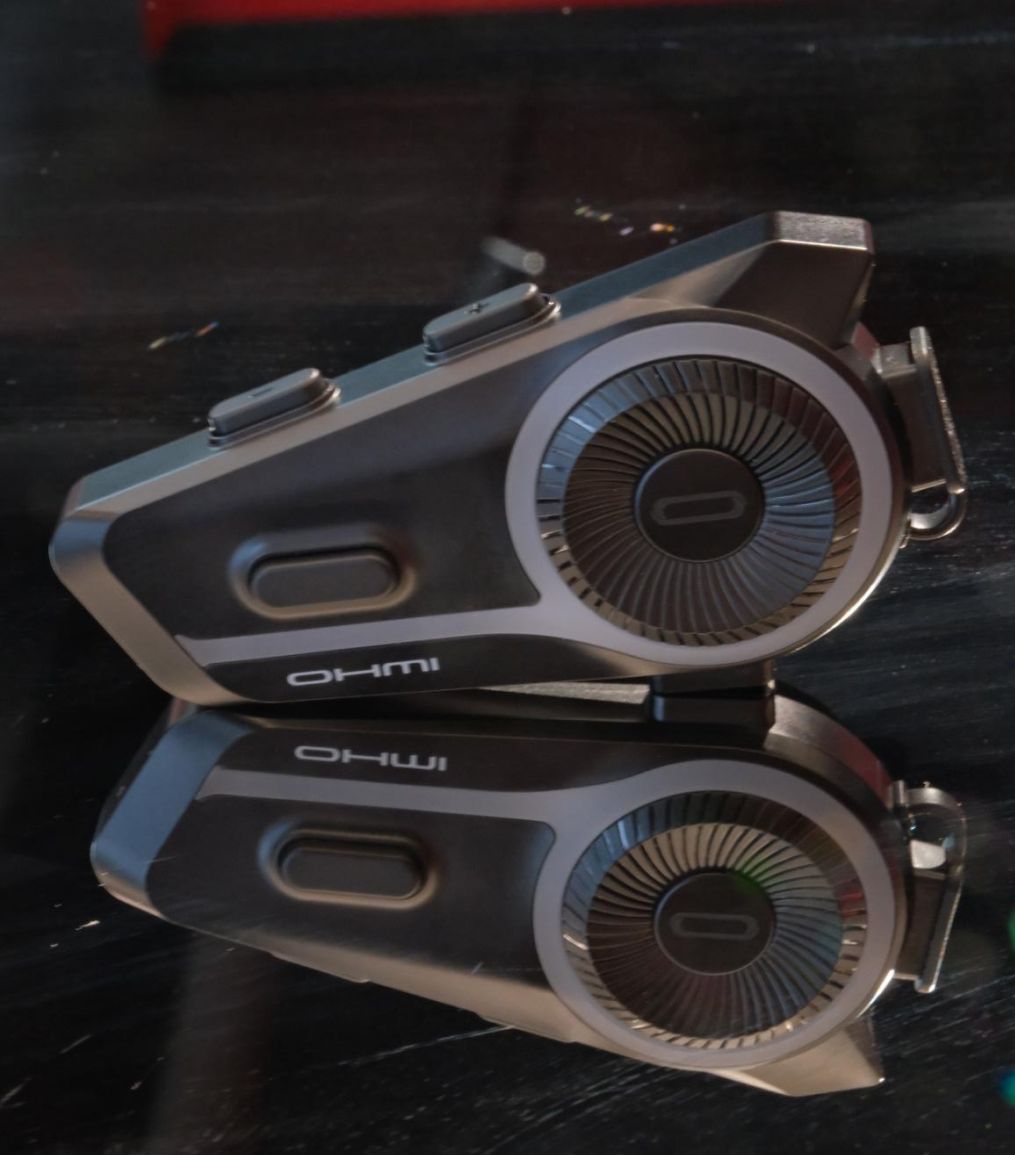
OHMIEX D9 riding communication systems
In the motorcycle gear industry, “reliability” is often treated as a marketing adjective—something implied by phrases like premium quality or professional-grade.
In the motorcycle gear industry, “reliability” is often treated as a marketing adjective—something implied by phrases like premium quality or professional-grade. Yet anyone who has spent time developing, sourcing, or deploying riding communication systems knows this word hides a far more complex reality. Reliability is not a single feature, nor is it the result of one strong specification on a datasheet. It is a system—one that must hold together under speed, weather, vibration, and long-term use.
In riding communication, the cost of failure is immediate and tangible. A dropped instruction on a mountain road, distorted audio in strong crosswinds, or unstable connections during group riding do not just affect user satisfaction; they directly influence safety, trust, and brand reputation. For this reason, reliability cannot be reduced to “good quality.” It must be engineered deliberately, tested continuously, and maintained across the entire product lifecycle.
At OHMIEX, we view reliability as a long-chain responsibility rather than a short-term achievement. It begins well before a product reaches a rider’s helmet and continues long after it leaves the factory.
In many product discussions, reliability is evaluated after launch—through warranty data, user feedback, or failure rates. In reality, the foundation of reliable riding communication is laid much earlier, at the architecture and component selection stage.
Chipsets, microphones, speakers, and wireless modules are not interchangeable commodities. Each choice affects signal stability, power management, thermal behavior, and long-term consistency. For example, a chipset that performs well in laboratory conditions may degrade noticeably when exposed to prolonged heat or voltage fluctuation. Similarly, microphone performance on a test bench tells very little about how it behaves inside a helmet at 100 km/h with turbulent airflow.
This is why early-stage engineering decisions carry disproportionate weight. Reliability is often lost not through dramatic design flaws, but through marginal choices made to optimize short-term cost or accelerate time-to-market.
Related products
-
Quick View
Aliquam id quam elementum arcu eleifend
$44.00Add to cartAenean bibendum posuere neque, quis hendrerit libero ultrices lacinia. Vestibulum venenatis elit non bibendum pulvinar. In luctus urna sapien, posuere fermentum nunc tempus eget. Fusce hendrerit nec diam quis ornare. Duis auctor, libero in efficitur finibus, purus diam maximus est, et rhoncus sapien justo nec sem
-
Quick View

Electric ROCK12 Electric ATV Vehicle
Contact UsNo noise/No emissions/ Economy/Versatility The ideal partner for horse farms, hunting and adventure
-
Quick View
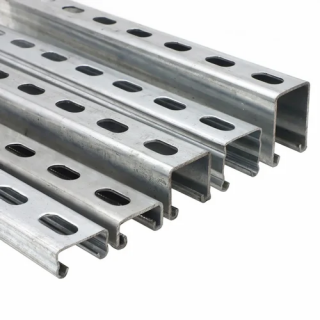
Inclined Beam for PV Mounting System
Contact UsInclined beam is designed for ground PV mounting and flat roof PV mounting system. The structure is made of high strength Q235B carbon steel which ensure the safety of modules. Various types of PV modules can be flexibly supported.
-
Quick View

Smart Helmet Bluetooth Headset
Contact UsOHMIEX, a brand specializing in professional smart helmet Bluetooth headsets, has entered into in-depth technical cooperation with ASMAX, a global brand powersports smart communication equipment.
Reviews
There are no reviews yet.