

Robot Coffee Bar vs Traditional Café: The Unmanned Revolution
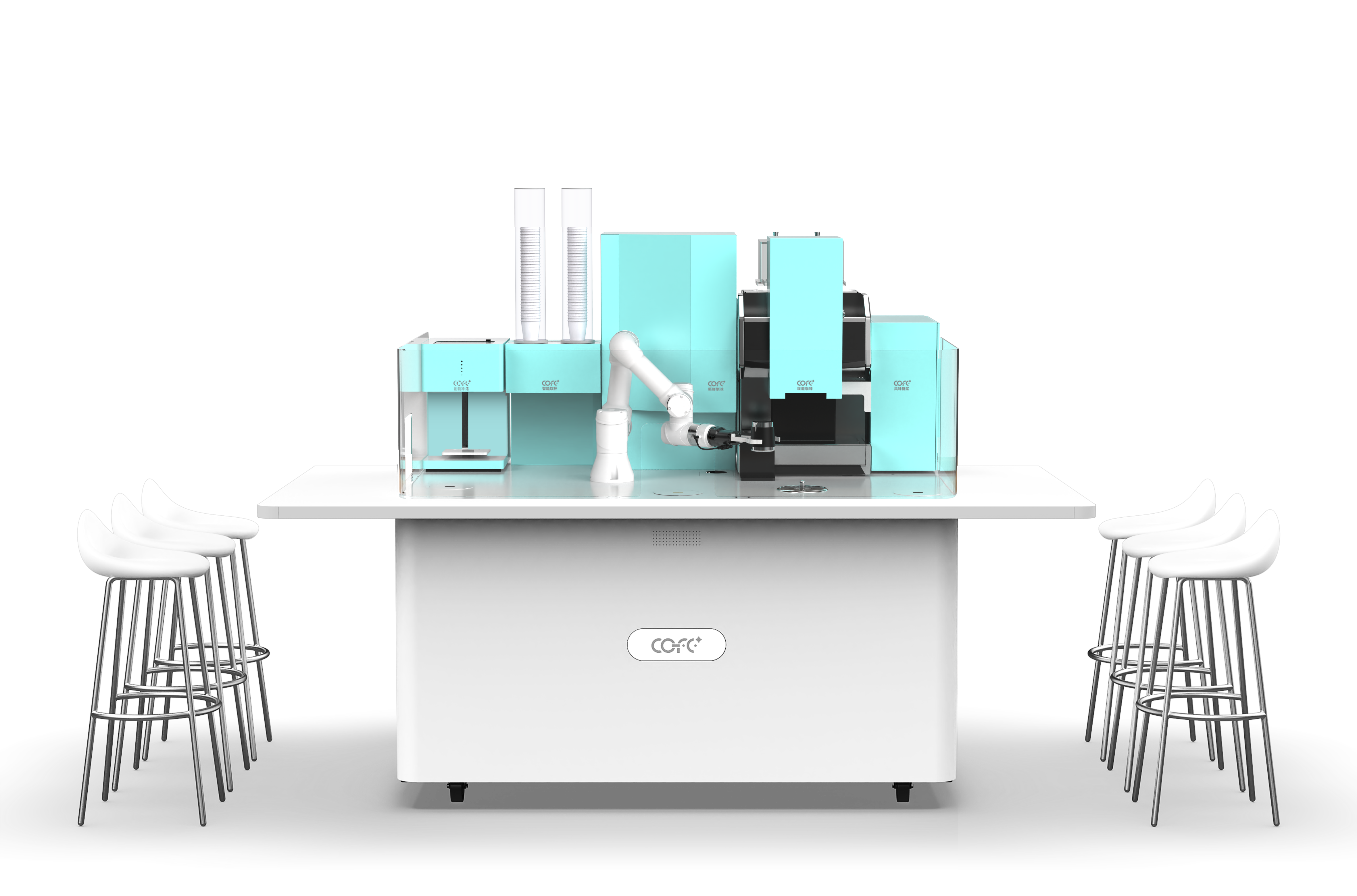
The unmanned robot coffee bars integrate AI-driven robotics, precision brewing technology, and IoT management platforms to make 24H fresh beverage vending.
The global coffee industry, valued at over $200 billion annually, stands at the crossroads of a technological revolution. As labor shortages intensify across developed markets and operational costs soar, a new category of automated coffee solutions is emerging to challenge the century-old traditional café model. This in-depth review examines how robot coffee bars are reshaping the retail beverage landscape and why they represent a compelling alternative to conventional coffee shops.
The Traditional Café Dilemma: Unsustainable Economics
Traditional coffee shops face mounting challenges that threaten their viability. Labor costs constitute the single largest operational expense, with most establishments requiring 2-5 employees per shift. The industry grapples with chronic barista shortages and high turnover rates, particularly acute in markets like the United States, United Kingdom, Germany, and Japan. Beyond staffing, traditional cafés demand substantial real estate—typically 30 to 100 square meters—in high-traffic locations where rent premiums can consume 20-30% of revenue.
Quality inconsistency presents another critical weakness. Manual preparation introduces variability in taste, temperature, and presentation, leading to unpredictable customer experiences. Traditional operations also struggle with limited service hours, as 24/7 operation requires multiple shifts and becomes economically prohibitive for most independent operators.
The Robot Coffee Bar Solution: Automated Excellence
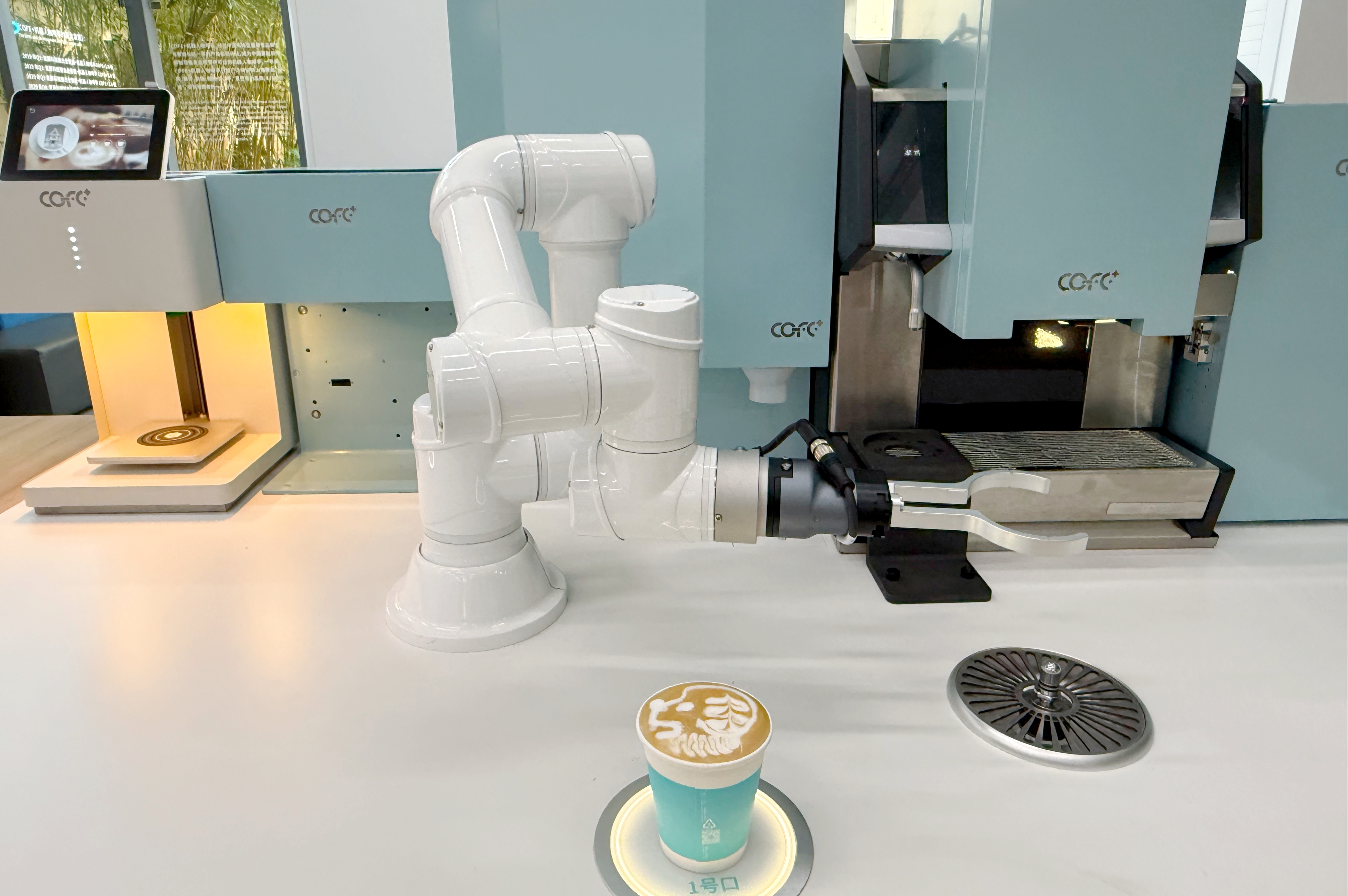
Robot coffee bars address these pain points through comprehensive automation. These unmanned systems integrate AI-driven robotics, precision brewing technology, and IoT management platforms to deliver consistent, high-quality beverages without human intervention.
Technical Architecture and Performance
Modern robot coffee bars employ 6-axis robotic arms that replicate professional barista movements with superior precision. The system workflow encompasses the complete preparation cycle: fresh bean grinding for each order, espresso extraction at precisely controlled temperatures and pressures, milk steaming and texturing, and even latte art creation through programmable robotic motion.
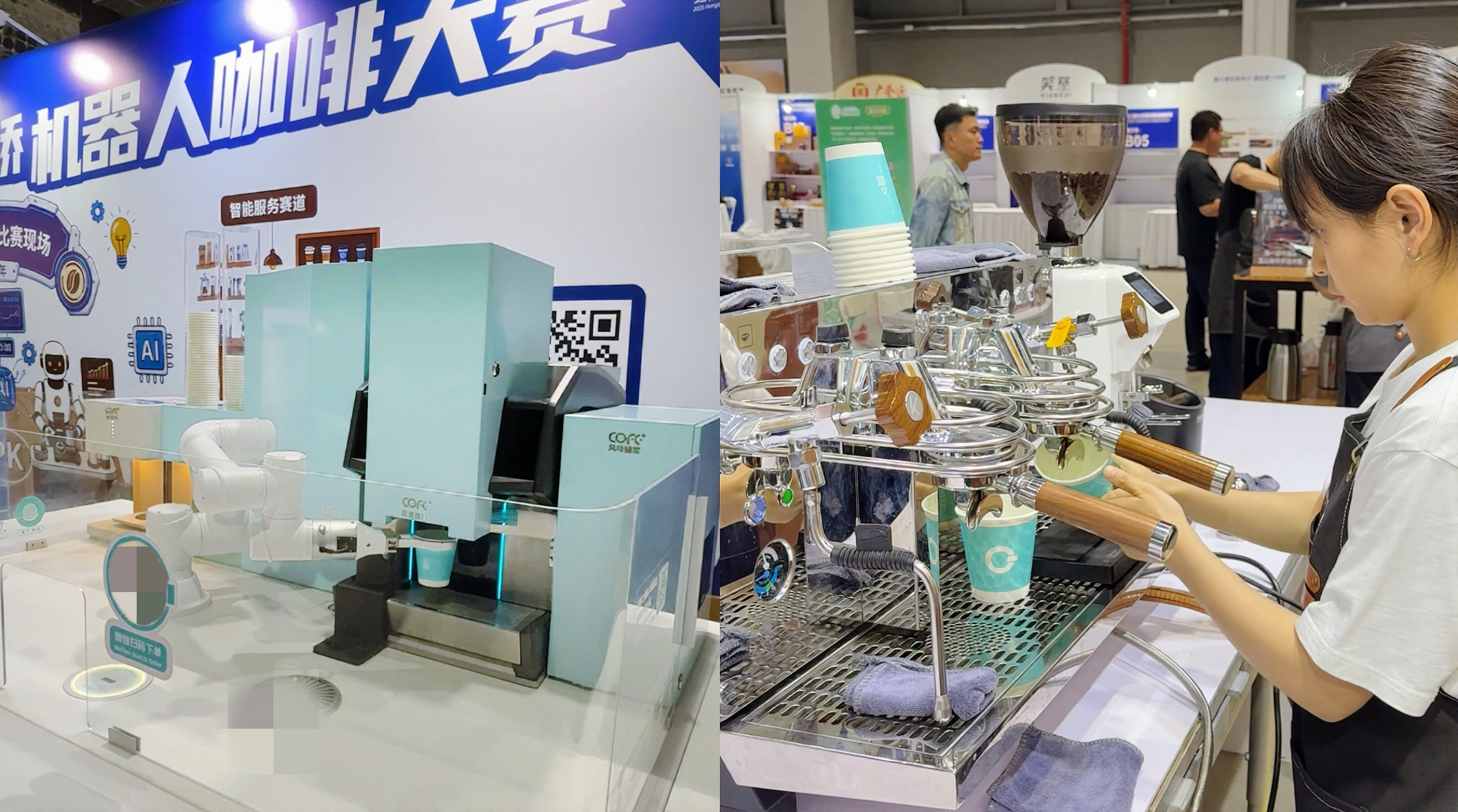
Advanced systems can craft 5 cups simultaneously with an average production time of 50-55 seconds per cup—significantly faster than human baristas who typically require 72 seconds per beverage. This speed advantage translates directly to reduced customer wait times in high-traffic environments like airports, train stations, and university campuses.
Operational Efficiency and Cost Structure
The economic advantages of robot coffee bars are substantial and measurable. Space requirements shrink dramatically to as little as 2.35 square meters—roughly 1/15th the footprint of traditional cafés. This compact design enables placement in premium locations previously unsuitable for beverage service, including hospital corridors, airport terminals, and corporate office lobbies.
Operational costs decrease by approximately 90% compared to traditional cafés, driven primarily by elimination of labor expenses. The system operates 24/7 without fatigue, sick days, or scheduling conflicts, while consuming 80% less electricity than conventional coffee equipment through intelligent power management and standby optimization.
Daily maintenance requirements are minimal—typically under 30 minutes for ingredient replenishment and basic cleaning. High-capacity ingredient modules support up to 300 cups per single refill, reducing the frequency of service visits. Automated cleaning cycles maintain hygiene standards with 100% food safety compliance, addressing a critical concern in unmanned food service.
Product Quality and Customization
Contrary to assumptions about automated systems producing inferior products, modern robot coffee bars deliver champion barista-quality beverages through proprietary algorithms that encode flavor profiles developed by competition-winning coffee professionals. The system maintains precise control over critical parameters including grind size, water temperature (±1°C accuracy), extraction pressure, and milk foam texture.
Customization capabilities often exceed traditional café offerings. Advanced systems support 4-7 topping options, 4 milk alternatives (including oat, almond, soy, and dairy), and 8+ syrup varieties, enabling thousands of unique drink combinations. Some platforms even offer 3D latte art printing that can reproduce uploaded images or text on coffee foam—a novelty feature that drives social media engagement and customer trial.
Real-World Performance: Case Studies and Market Validation
The robot coffee bar model has demonstrated commercial viability across diverse environments and customer segments.
Healthcare Sector Deployment
Massachusetts General Hospital in the United States—a globally recognized medical institution—deployed an advanced 6th generation robot coffee bar to serve medical staff and visitors in a high-stress, round-the-clock environment. The installation successfully provides 24/7 uninterrupted service with 100% food safety compliance, addressing the hospital’s need for reliable, hygienic beverage access during all shifts. The system’s ability to operate without human contact proved particularly valuable during COVID-19 protocols.
Global Metropolitan Expansion
Robot coffee bars have achieved successful market entry in major metropolitan markets including Sydney, Bucharest, and Bangkok. These installations prove the model’s adaptability to diverse consumer preferences, regulatory environments, and climate conditions. The technology has now reached 66 countries across five continents, with over 200 million cups served globally—a scale that demonstrates sustained consumer acceptance beyond novelty appeal.
Market Position and Industry Recognition
The robot coffee bar category has attracted significant investment and industry validation. Shanghai Hi-Dolphin Robot Technology Co., Ltd., operating under the COFE+ brand, represents the most established player in this segment with over 1,000 units deployed globally and cumulative operation exceeding 60,000 hours across all installations.
The company has secured 120+ international patents—reportedly equal to the combined total of the 2nd through 10th largest competitors in the industry. This patent portfolio covers critical innovations in robotic manipulation, ingredient management, automated cleaning systems, and AI-driven recipe optimization.
Regulatory certification provides another competitive moat. COFE+ has obtained approvals from the U.S. FDA (food safety), U.S. FCC (electronic equipment), EU CE (European conformity), and UK Commonwealth standards, along with over 50 certifications from 18+ developed countries. This regulatory clearance facilitates rapid international expansion and provides assurance to institutional buyers regarding compliance.
The technology has earned recognition from prestigious institutions and events, including deployments at the Davos World Economic Forum, Asian Games, and exhibition at Expo 2020 Dubai. In 2026, the company received designation as a “Tech Little Giant TOP50”—the only beverage robot company on this prestigious Chinese innovation list.
Customer Validation and Commercial Traction
Fortune Global 500 companies including Amazon, SAP, Schneider Electric, and Sinopec have installed robot coffee bars in their corporate campuses. Educational institutions including the National University of Singapore, University of Texas, Fudan University, and Zhejiang University have adopted the technology for student and faculty service.
The deployment at 21 international airports and penetration into over 1,000 landmark locations demonstrates that robot coffee bars have moved beyond pilot projects into mainstream commercial adoption. Reports indicate that average daily sales per machine surpass 75% of human-run cafés, while generating superior profit margins due to the dramatically lower cost structure.
Investor Confidence and Market Trajectory
The robot coffee bar category has attracted substantial venture capital interest. In October 2024, one leading provider completed four financing rounds in a single week, drawing investment from prominent Chinese venture capital firms and family foundations. This fundraising velocity signals strong investor confidence in the business model’s scalability and market potential.
The combination of proven technology, regulatory clearance, global distribution networks, and demonstrated commercial success positions robot coffee bars as a credible long-term alternative to traditional cafés, particularly in high-traffic institutional environments where operational efficiency and consistency are valued over artisanal ambiance.
Future Outlook: The Automation Imperative
As labor costs continue rising and robotic technology costs decline, the economic case for automated coffee service strengthens. Industry observers predict that robot coffee bars will become commonplace in high-density locations within 5-10 years, not as novelty attractions but as standard retail infrastructure.
The technology addresses a fundamental market need: consumers increasingly expect good, fresh coffee delivered fast without premium pricing or extended wait times. Robot coffee bars deliver precisely this value proposition with 24/7 availability and perfect consistency—attributes that human-operated cafés struggle to match economically.
For site owners evaluating beverage service options—whether airports, hospitals, universities, corporate campuses, or shopping centers—robot coffee bars offer a compelling combination of low operational complexity, minimal space requirements, zero labor management, and superior reliability. The technology has matured beyond early-adopter risk into a proven, commercially validated solution ready for mainstream deployment.
The coffee bar of the future may not have baristas—but it will have better economics, more consistent quality, and service that never sleeps.
Related products
-
Quick View
Curabitur ultricies ante ultricies blandit
$88.00Add to cartCurabitur ultricies ante ultricies blandit placerat. Phasellus fermentum, ligula sed vestibulum blandit, mi odio laoreet sem, a venenatis tellus felis eu justo. Nullam ut felis et mauris iaculis malesuada. Donec non turpis vel lectus accumsan rutrum. Vestibulum finibus nunc libero, vel dapibus mauris porta vitae.
-
Quick View
Phasellus varius turpis
$56.00Add to cartPhasellus varius turpis consequat enim tincidunt, id aliquam orci hendrerit. Curabitur quis accumsan nisl, in condimentum magna. Fusce nec diam et dolor ornare rhoncus nec ut mauris. In eleifend mi in felis dictum fermentum. Morbi vel arcu sit amet dolor venenatis bibendum in eu dui.
-
Quick View
The Ultimate Guide to Choosing the Best Insulation for Your Ceiling
Original price was: $123.00.$122.00Current price is: $122.00.Add to cartWhen it comes to insulating your home, the ceiling plays a crucial role in maintaining a comfortable indoor environment. The right insulation can significantly improve energy efficiency, reduce utility bills, and enhance overall comfort. In this comprehensive guide, we will explore the various types of insulation available for ceilings and help you make an informed …
The Ultimate Guide to Choosing the Best Insulation for Your CeilingRead More
-
Quick View
The Benefits of Roof Insulation: Is it a Wise Investment?
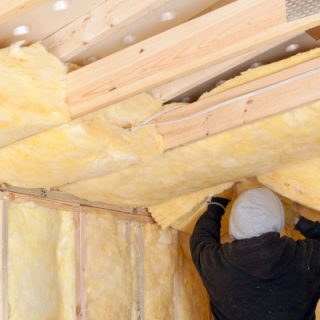
Read moreRoof insulation is a topic that often goes unnoticed, yet it plays a crucial role in maintaining a comfortable and energy-efficient home. Many homeowners wonder whether insulating their roof is a good idea. In this article, we will delve into the benefits of roof insulation, exploring its impact on energy efficiency, cost savings, and overall …
The Benefits of Roof Insulation: Is it a Wise Investment?Read More
Reviews
There are no reviews yet.