

Why Versatile Men’s Knitwear Is Becoming a Stronger Core Product Category
Men’s clothing collections have changed considerably in recent years. Instead of dividing products strictly into formalwear, casualwear, and seasonal clothing, many brands are building collections ar
A knitted shirt can be worn independently in mild weather and layered under a jacket when temperatures drop. A cardigan can work as an alternative to a light jacket. A simple crew neck sweater can serve as a basic wardrobe item rather than an occasional winter garment.
For brands, this versatility creates an opportunity to develop products that remain relevant beyond one specific trend.
The growth of knitwear also creates new requirements for manufacturers. Brands increasingly need suppliers capable of producing different silhouettes, yarn combinations, textures, and finishing effects while maintaining consistent quality.
For companies developing their own collections, selecting a suitable wholesale knitwear production service can therefore influence both product development and long-term supply stability.
One Knitwear Product Can Serve Several Customer Needs
The strongest commercial advantage of men's knitwear is often its ability to serve multiple styling situations.
A plain knitted crew neck, for example, can be positioned as an everyday basic. The same general construction can be adjusted through yarn weight, color, collar treatment, or fit to create a more premium product.
A cardigan provides another example. It can be worn over a T-shirt in casual environments, over a shirt in an office setting, or under an outer layer during colder weather.
This flexibility makes knitwear useful for brands that want to reduce dependence on highly seasonal products.
Common applications include:
-
Everyday casual clothing
-
Smart casual collections
-
Travel wardrobes
-
Transitional-season ranges
-
Layering products
-
Resort collections
-
Premium basics
-
Private-label collections
-
Corporate casual clothing
-
Boutique fashion lines
For manufacturers, this means that product development should focus on more than appearance. The garment needs to perform properly across the situations in which customers are likely to wear it.
A sweater intended for layering may need a smoother surface and moderate thickness. A standalone winter piece can tolerate greater bulk and texture. A lightweight knit shirt may require a different collar and button construction from a traditional sweater.
These differences should be established during development rather than after production begins.
Knit Shirts Are Expanding the Traditional Sweater Category
Knitwear is no longer limited to conventional pullovers.
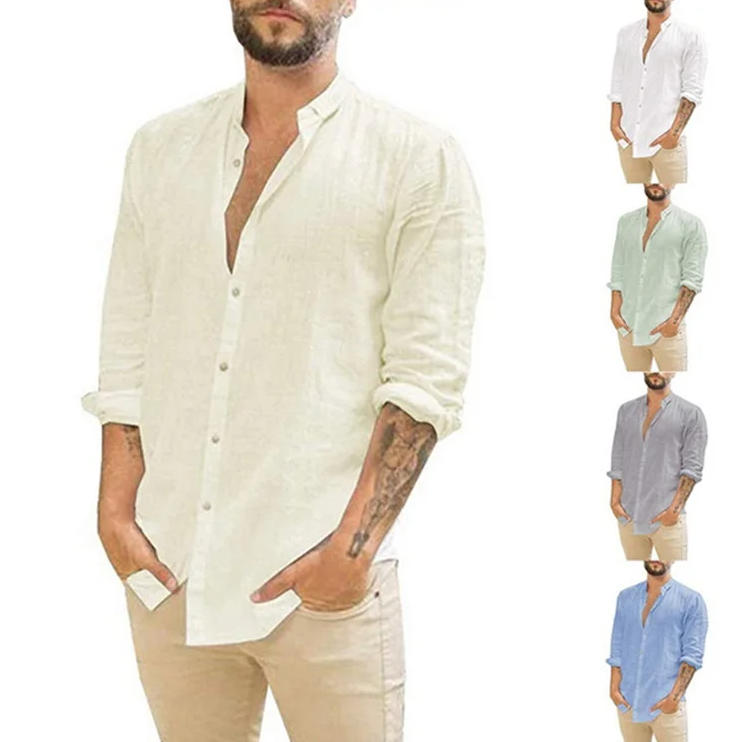
Knitted shirts, polos, cardigans, sleeveless tops, quarter-zip styles, and lightweight jackets have become useful parts of men's collections. This broadens the category and allows brands to use knit construction in products that previously relied heavily on woven fabrics.
A knitted polo is a good example. It retains some of the visual structure associated with a collared shirt while providing the flexibility and softness of knit fabric.
A knitted cardigan can provide an additional layer without the rigid construction of many woven jackets.
These products also allow brands to create collections with visual continuity. Several garments can use related yarn colors or textures while offering different silhouettes.
For a men knitwear OEM factory supplier, this requires production knowledge across several garment constructions rather than expertise in only one sweater style.
The manufacturer needs to understand how collar shape, button placement, rib dimensions, sleeve construction, and body proportions interact with knitted fabric.
This is particularly important for private-label customers because brand identity often depends on small details.
A plain knitwear item can become distinctive through:
-
Custom color development
-
Specific collar proportions
-
Special rib structures
-
Branded buttons
-
Custom labels
-
Signature stitch patterns
-
Embroidery placement
-
Yarn combinations
-
Garment finishing
-
Unique fit specifications
These details may appear minor individually, but together they can create a recognizable product.
Seasonal Planning Is Becoming More Flexible
Traditional knitwear production often followed a simple pattern: heavy sweaters for winter and lighter products for spring.
Modern collections are more complicated.
Consumers in different markets experience different climates, while international e-commerce allows a brand to sell the same product across multiple regions. As a result, manufacturers may receive orders for lightweight knitwear even during traditional winter production cycles.
This has changed the way brands approach seasonal product planning.
Instead of creating one large winter knitwear collection, a brand may develop several weight categories.
| Product type | Typical role |
|---|---|
| Lightweight knit top | Spring, summer evenings, indoor use |
| Fine-gauge sweater | Transitional weather and layering |
| Medium-weight pullover | Autumn and everyday wear |
| Heavy knit sweater | Cold-weather use |
| Knit cardigan | Flexible layering |
| Knit polo | Smart casual and warm-weather dressing |
The benefit is not only wider seasonal coverage. It also allows a brand to reuse successful silhouettes with different material specifications.
For example, a successful crew neck shape may be developed in a lightweight cotton version and a heavier wool-blend version. The brand can maintain recognizable design language while adapting the product to different weather conditions.
A capable custom sweater ODM factory can support this approach by modifying material specifications while maintaining the basic design framework.
Product Development Should Begin With the Customer’s Actual Use
One of the common problems in apparel development is starting with a visual reference and only later considering how the garment will be worn.
For knitwear, the order can be reversed.
Before selecting the yarn or structure, brands can define the intended customer and use case.
Questions may include:
-
Is the product intended for indoor or outdoor use?
-
Will customers wear it directly against the skin?
-
Is it mainly a layering piece?
-
Does the garment need frequent washing?
-
Is softness more important than structure?
-
Should the garment retain a sharp silhouette?
-
Is the target market warm, temperate, or cold?
-
Is the product positioned as a basic or statement item?
These answers influence the technical direction.
For example, a garment designed for frequent everyday wear may require strong dimensional stability and easy-care properties. A premium fashion sweater may place more emphasis on yarn quality, texture, and surface appearance.
This is why a good knitwear OEM manufacturer China should be able to discuss product use rather than simply asking for a reference image.
A manufacturer that understands the intended application can identify potential issues earlier and suggest practical adjustments.
Private Label Brands Need Consistency Across Multiple Orders
For established fashion brands, one successful sample is not enough. The same product may need to be reproduced several times over its commercial life.
This makes production consistency a major concern.
A sweater approved during the first sampling round may look slightly different in later production if the yarn, machine settings, finishing process, or measurement standards are not controlled carefully.
Color consistency is another important consideration. A brand may use the same shade across several seasons, but different dye lots can produce visible variation.
A professional quality control garment system should therefore include documented specifications.
These may cover:
-
Yarn composition
-
Yarn count
-
Knit gauge
-
Fabric weight
-
Color standard
-
Body measurements
-
Rib dimensions
-
Stitch density
-
Shrinkage tolerance
-
Washing method
-
Label placement
-
Packaging requirements
The more detailed the specification, the easier it becomes to compare future production against the original approval sample.
This is particularly important for brands operating across several sales channels. A customer purchasing the same style six months later should receive a product with essentially the same fit and appearance.
Knitwear Can Strengthen a Brand’s Basic Product Strategy
Fashion brands often focus heavily on seasonal statement pieces, but reliable basic products can play an equally important role.
A well-developed men's knitwear basic can remain in a collection for years with only minor changes.
Neutral colors such as black, navy, grey, cream, and brown can provide a stable foundation. Seasonal colors can then be added without changing the core construction.
This approach gives brands a way to balance commercial reliability with fashion updates.
A basic crew neck can remain constant while the collection changes around it. A cardigan can be repeated in different yarns or colors. A knit polo can become a permanent warm-weather product.
For a private label men's knitwear supplier, this means production flexibility can be as important as design capability.
Brands may need smaller quantities during product testing and larger repeat orders once a style proves successful. A supplier that can maintain specifications across changing order volumes becomes more valuable over time.
Long-term relationships also allow manufacturers to become familiar with a brand's preferred measurements, yarn standards, labeling requirements, packaging specifications, and quality expectations.
This can reduce communication time for future developments.
Better Knitwear Sourcing Depends on Technical Communication
Finding a manufacturer is only one part of sourcing. The quality of communication between brand and factory can strongly affect the final result.
A reference photograph cannot communicate every important production detail.
For knitwear, brands should ideally provide information about:
-
Target fabric composition
-
Desired hand feel
-
Approximate fabric weight
-
Gauge preference
-
Fit and measurements
-
Color references
-
Collar and cuff construction
-
Decoration requirements
-
Washing or finishing expectations
-
Packaging and labeling needs
When these details are missing, manufacturers may make assumptions. Those assumptions can produce a garment that technically follows the design but does not match the brand's expectations.
Sampling should therefore be treated as a technical communication stage.
The first sample can reveal whether the selected yarn creates the desired texture. A second sample may address fit or construction. Additional revisions can focus on color, finishing, or branding details.
This process is normal for professional clothing development.
For brands working with a China apparel manufacturer, clear communication is especially important when the design team and production team operate in different countries and time zones.
Technical specification sheets, measurement charts, reference samples, and documented approval comments can reduce misunderstandings.
The Next Opportunity for Men’s Knitwear Is Product Depth
The future of men's knitwear is unlikely to depend on one particular sweater silhouette. The stronger opportunity lies in building deeper product ranges around different weights, structures, applications, and customer needs.
A brand can develop a knitwear program that includes:
-
Lightweight everyday knits
-
Fine-gauge office layers
-
Cotton knit polos
-
Medium-weight crew necks
-
Heavy winter pullovers
-
Cardigans
-
Textured fashion sweaters
-
Premium basics
-
Seasonal color programs
This approach gives customers more reasons to return to the same category.
It also provides manufacturers with opportunities to support multiple stages of a brand's development. A startup may begin with a small selection of basic knitwear. Once those products establish demand, the brand can add more complex constructions and premium materials.
For manufacturers, this makes product development capability increasingly important.
A factory that can only reproduce a fixed catalog may be suitable for straightforward orders, but brands with long-term plans often require greater flexibility.
An experienced men's sweater manufacturer China can provide more value when it combines material sourcing, knitting expertise, garment construction, sample development, quality inspection, and production management.
Men's knitwear is therefore becoming less of a seasonal side category and more of a flexible foundation for modern clothing collections. Its appeal comes from practical characteristics: comfort, layering potential, adaptable styling, and the ability to support many different fabric and design directions.
For brands, the opportunity is to treat knitwear as a product system rather than a collection of isolated sweaters. Different yarns, gauges, structures, fits, and finishing techniques can be developed around clearly defined customer needs.
For manufacturers, the challenge is maintaining technical consistency while supporting greater design variety.
When these two sides work together, knitwear can become one of the more dependable categories in a men's clothing range, providing products that are practical enough for everyday wear while still offering enough flexibility for brand-specific design and positioning.
Related products
-
Quick View
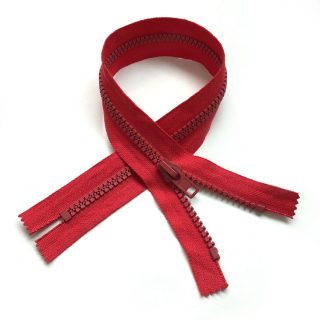
Resin FR Zipper Roll FR Zipper For Army
Contact UsMain components: high-temperature resistant plastic teeth, aramid or nomax cloth belt, zinc alloy pulling head or high-temperature resistant plastic pulling head.
-
Quick View

2025 Summer Children’s Suit Girls’ Suit Custom Polyester 2-Piece Toddler Boy’s Suit Wholesale Children’s Wear
Contact Us● Quality materials: Our 100% combed cotton T-shirts are made of quality fabric .To ensure comfortable and durable wear. ● Customization Options: We offer a customization service that allows you to pr
-
Quick View
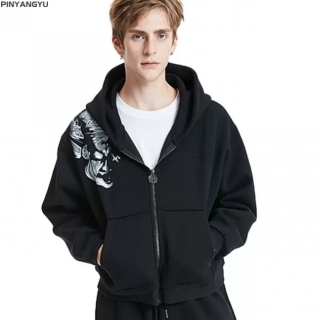
Customized printing process zipper hoodie for autumn and winter fashion and warmth
Contact UsCustomized printing process zipper hoodie for autumn and winter fashion and warmth
Reviews
There are no reviews yet.