
Popular
-
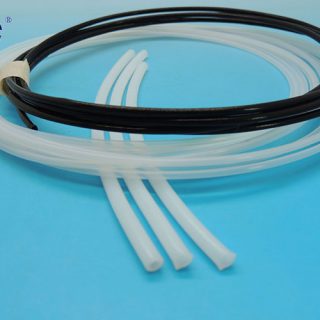 Top 8 PTFE Tubes for Micro Transformer Insulation in 2026
-
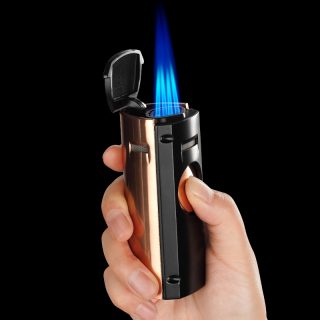 Torch Cigar Lighters Manufacturer – Refillable Butane Jet Flame Lighters
-
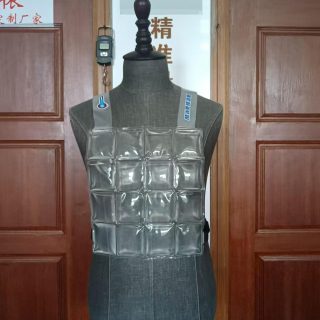 Reliable OEM for Smelting-Workshop Cooling Clothing Solutions
-
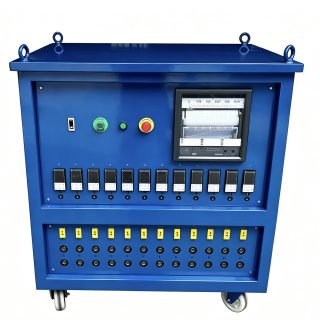 Post Weld Heat Treatment Equipment Quote Saudi Arabia 2026
-
 How to Reduce Viscosity in UV Inkjet Ink: 5 Low-Viscosity UV Resins
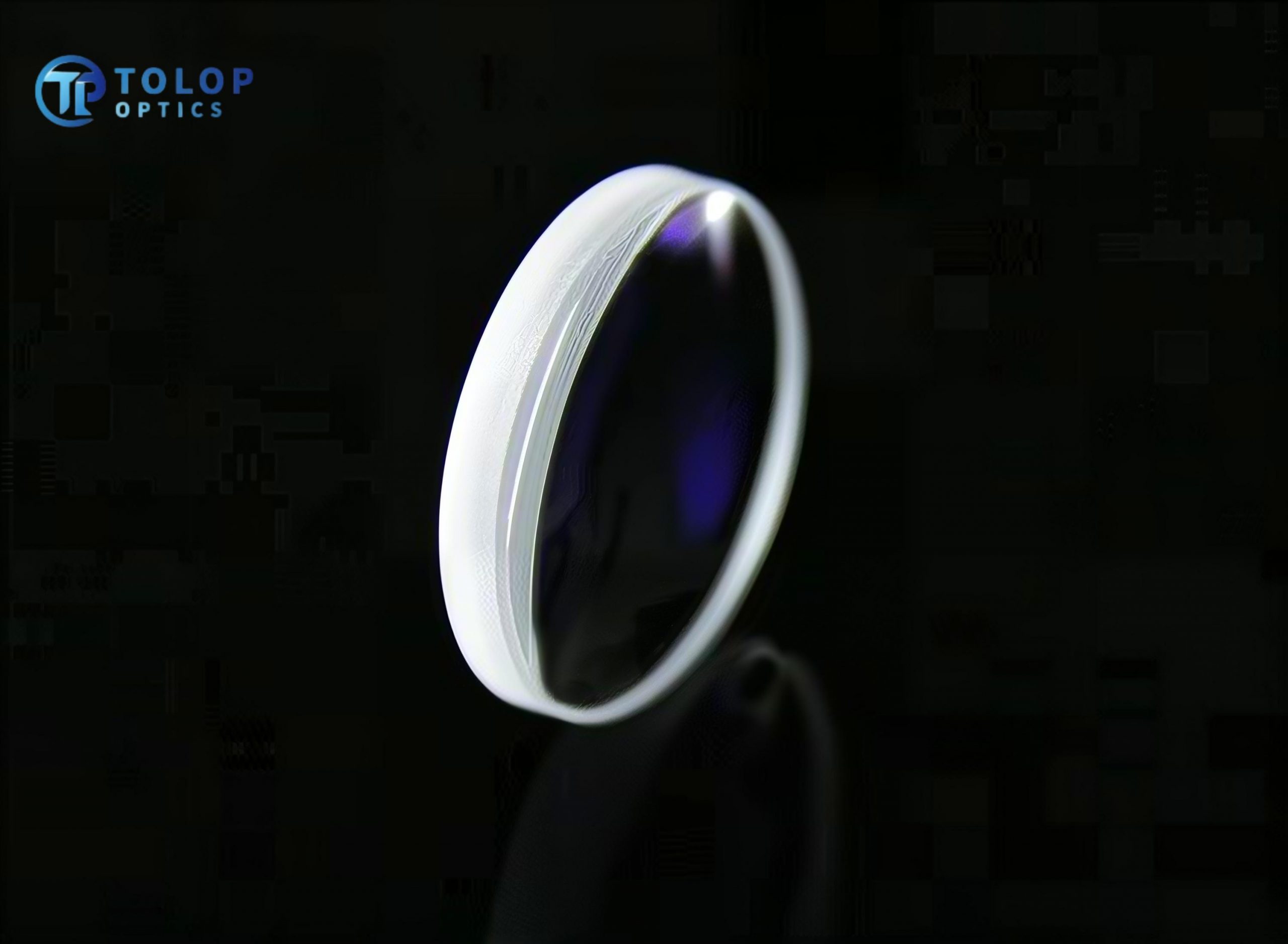
Aspheric Lenses
The most notable benefit of aspheric lenses is their ability to correct for spherical aberration, an optical effect which causes incident light rays to focus at different points when forming an image, creating a blur. Spherical aberration is commonly seen in spherical lenses, such as plano-convex or double-convex lens shapes, but aspheric lenses focus light to a small point, creating comparatively no blur and improving image quality.
The most notable benefit of aspheric lenses is their ability to correct for spherical aberration, an optical effect which causes incident light rays to focus at different points when forming an image, creating a blur. Spherical aberration is commonly seen in spherical lenses, such as plano-convex or double-convex lens shapes, but aspheric lenses focus light to a small point, creating comparatively no blur and improving image quality. Spherical aberration is inherent in the basic shape of a spherical surface and is independent of alignment or manufacturing errors; in other words, a perfectly designed and manufactured spherical lens will still inherently exhibit spherical aberration. An aspheric lens can be designed to minimize aberration by adjusting the conic constant and aspheric coefficients of the curved surface of the lens.
Aspheric lenses allow optical designers to correct aberrations using fewer elements than conventional spherical optics because the former gives them more aberration correction than multiple surfaces of the latter. For example, in zoom lenses where ten or more lens elements are typically used, two aspheric lenses can be substituted for a handful of spherical lenses in order to achieve similar or better optical results, while reducing system size and potentially reducing the overall cost of production.
The term asphere encompasses any lens with surfaces that are not portions of a sphere. However, when we use the term here we are specifically talking about the subset of aspheres that are rotationally symmetric optics with a radius of curvature that varies radially from the center of the lens. As discussed earlier, aspheric lenses improve image quality and reduce the number of required optical elements. From smart phones and laser-enabled devices to high-end microscope objectives and surgical equipment, aspheric lenses are increasingly critical to every facet of the optics, imaging, and photonics industries due to the distinct advantages that they offer compared to traditional spherical optics.
Related products
-
Quick View
Aenean non pellentesque mauris
Original price was: $68.00.$55.00Current price is: $55.00.Add to cartNullam porttitor pharetra ullamcorper. Praesent varius erat vitae nibh laoreet cursus. Donec suscipit gravida viverra. Suspendisse consectetur ipsum augue, a varius enim tempus a. Phasellus id nibh arcu. Curabitur rutrum vehicula mi id congue. Phasellus vitae leo sodales, pretium turpis non, efficitur eros. Donec fermentum at nisi suscipit vulputate.
-
Quick View
Curabitur ultricies ante ultricies blandit
$88.00Add to cartCurabitur ultricies ante ultricies blandit placerat. Phasellus fermentum, ligula sed vestibulum blandit, mi odio laoreet sem, a venenatis tellus felis eu justo. Nullam ut felis et mauris iaculis malesuada. Donec non turpis vel lectus accumsan rutrum. Vestibulum finibus nunc libero, vel dapibus mauris porta vitae.
-
Quick View
Pellentesque dignissim sapien semper
$78.00Add to cartCras luctus ultricies ex luctus malesuada. Fusce imperdiet interdum consectetur. Pellentesque dignissim sapien semper consequat sollicitudin. Phasellus iaculis libero ac placerat aliquam. Etiam a velit eu diam consequat vestibulum. Ut a malesuada nulla. Vivamus quis maximus nisi, vel molestie sapien. Nunc pharetra finibus elit sed consectetur.
-
Quick View
Phasellus molestie id mi sit amet
$66.00Add to cartMorbi mattis ipsum sem, in gravida dolor venenatis vestibulum. Aenean laoreet, nisi in bibendum dictum, purus libero accumsan enim, id vehicula enim metus vitae ipsum. Maecenas nulla est, dictum quis augue ultrices, dictum rutrum enim. Aliquam erat volutpat.
Reviews
There are no reviews yet.