



Hydrogen from coal gasification
Industrial hydrogen production from coal is good for large-scale hydrogen production or when no other suitable feedstock is available.
The coal-based hydrogen production system is designed for industrial projects requiring continuous, large-volume hydrogen supply. It is particularly suitable for large-scale hydrogen production where coal is an available and economically viable feedstock.
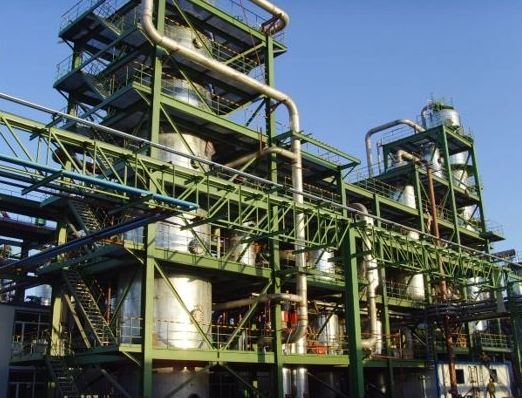
The production process converts coal into synthesis gas through gasification, followed by shift conversion, gas purification, and Pressure Swing Adsorption (PSA) to separate and obtain high-purity hydrogen.
Depending on plant requirements and feedstock characteristics, the gasification section can be configured with different technologies, including:
-
Atmospheric-pressure fixed-bed oxygen-enriched continuous gasification
-
Atmospheric-pressure pulverized-coal fluidized-bed oxygen-enriched continuous gasification
-
Pressurized coal-water slurry gasification
-
Pressurized pulverized-coal gasification
-
Pressurized moving-bed gasification
Typical Plant Capacity: 5,000–100,000 Nm³/h
Key Technical Characteristics
Large Production Capacity
The system is intended for industrial-scale hydrogen projects and can be configured for hydrogen production capacities from approximately 5,000 to 100,000 Nm³/h.
Competitive Hydrogen Production Cost
When suitable coal resources are available, coal-based hydrogen production can provide a lower hydrogen production cost compared with certain alternative hydrogen production routes.
Higher Initial Investment
The complete production system requires substantial investment in gasification, purification, conversion, PSA, and associated supporting equipment. It is therefore more appropriate for large-scale industrial installations.
Feedstock Requirements
The system can accommodate a range of coal and carbonaceous feedstocks. Applicable materials include:
-
Coking coal
-
High-ash coal
-
Bituminous coal
-
Petroleum coke
-
Other suitable coal resources
Coal with extremely high inherent moisture content, such as certain types of lignite and peat, is generally unsuitable. Coal with a calorific value below 22,940 kJ/kg and an ash melting point above 1,350°C is also excluded from the specified feedstock range.
Actual feedstock selection should be determined according to the gasification technology, coal properties, plant configuration, and required hydrogen output.
Process Configuration
The typical production route integrates several major process stages:
Coal Feedstock → Coal Gasification → Desulfurization → Shift Conversion → PSA Hydrogen Purification → High-Purity Hydrogen
The gasification section converts the carbonaceous feedstock into synthesis gas. Subsequent desulfurization removes sulfur-containing impurities, while shift conversion adjusts the gas composition to increase hydrogen yield. The PSA unit then separates hydrogen from the remaining gas components to achieve the required product purity.
Typical Performance
| No. | User | Capacity | Raw Material | Hydrogen Purity | Process Route |
|---|---|---|---|---|---|
| 1 | Zhejiang Longsheng Chemical Group | 5,000 Nm³/h | Coal | 99.99% | Coal Gasification + Desulfurization + Shift Conversion + PSA |
| 2 | Shandong Fangming Chemical Co., Ltd. | 12,000 Nm³/h | Coal | 99.99% | Coal Gasification + Desulfurization + Conversion + PSA |
| 3 | Zhejiang Hengyi Chemical Co., Ltd. | 30,000 Nm³/h | Coal | 99.99% | Coal Gasification + Desulfurization + Conversion + PSA |
Typical Application
The coal-based hydrogen production system is intended for large-scale industrial hydrogen projects where coal or other applicable carbonaceous feedstocks are readily available.
Typical project considerations include:
-
Required hydrogen production capacity
-
Available coal quality and characteristics
-
Target hydrogen purity
-
Gasification technology selection
-
Plant investment budget
-
Hydrogen production cost requirements
-
Integration with downstream chemical processes
With production capacities ranging from 5,000 to 100,000 Nm³/h and demonstrated applications at Zhejiang Longsheng Chemical Group, Shandong Fangming Chemical Co., Ltd., and Zhejiang Hengyi Chemical Co., Ltd., the process route is suitable for industrial projects requiring high-purity hydrogen at substantial production volumes.
Related products
-
Quick View

Gel sealed Mini-pleat HEPA filter(Peripheral gel seals)
Contact UsThe two-component gel is poured into the liquid seal type HEPA filter , and this is used as an installation seal.
-
Quick View
Solid-liquid incinerator project for Ningxia
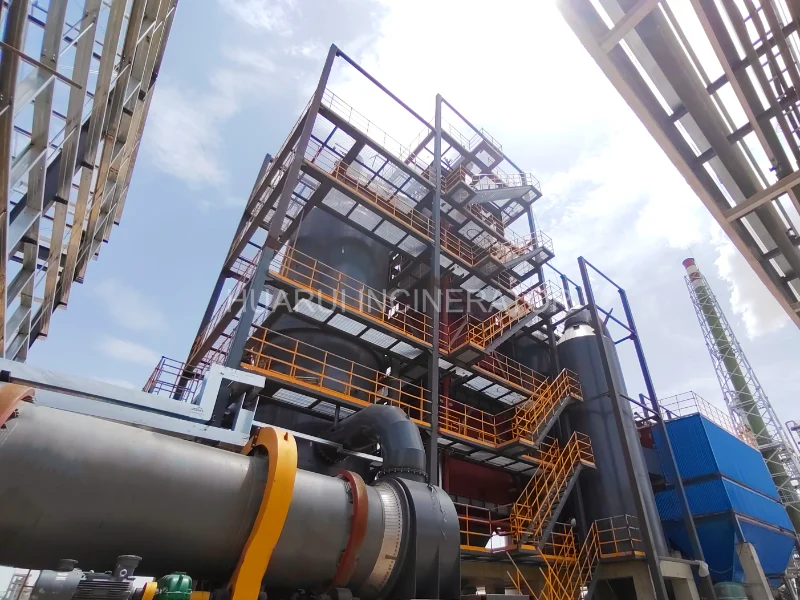
Contact UsThis project is a 10,000 tons/year hazardous waste incineration device for Ningxia, which is used for incineration and treatment of hazardous waste produced by our factory.
-
Quick View
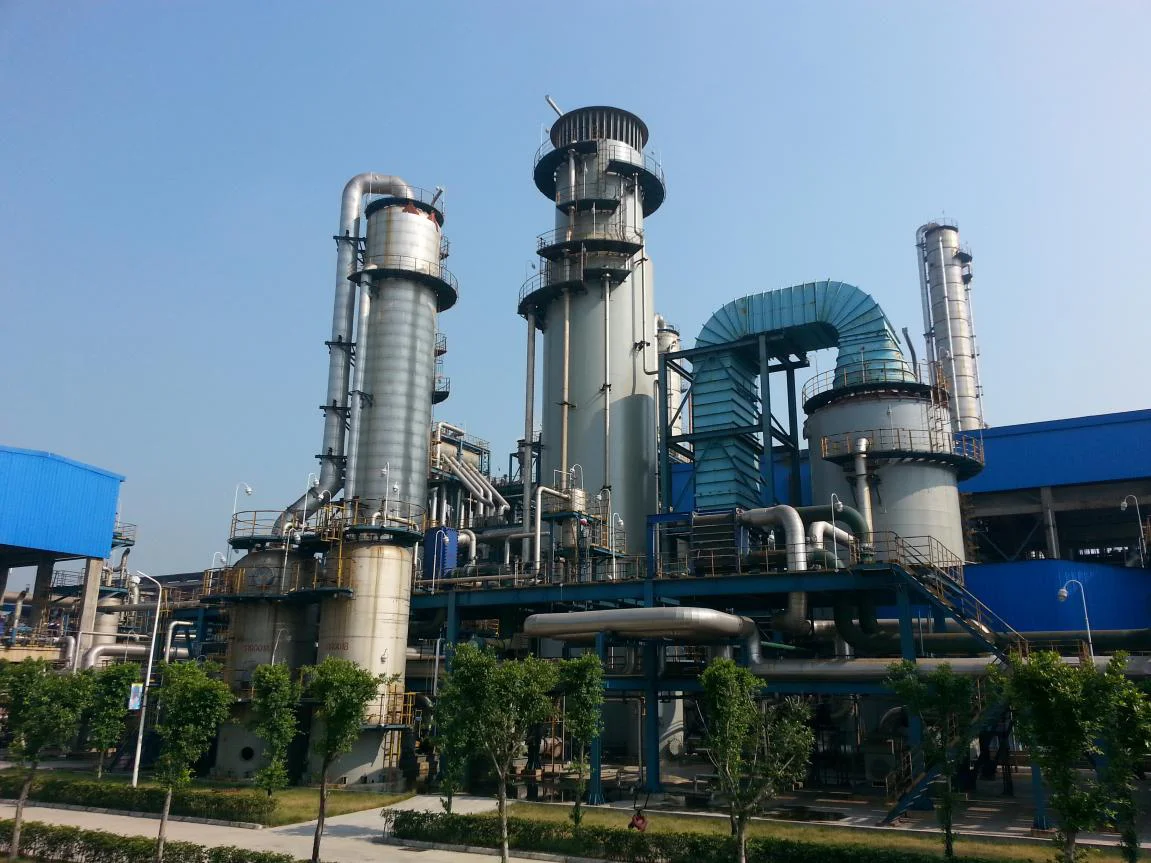
Refinery dry gas tail gas hydrogen
Contact UsRefinery dry gas refers to various tail gases by-produced during the crude oil production process, including catalytic cracking dry gas, coking dry ga…
-
Quick View
Metal sheet drying oven for can making
Contact UsThe oven is mainly used to dry the coating on the tin (or aluminum) sheet in the can making process. The entire line mainly consists of conveying, feeding devices, drying, cooling, and material collection and stacking.
Reviews
There are no reviews yet.