
Popular
-
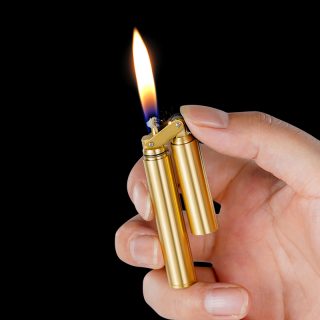 Kerosene Lighters Manufacturer – Vintage Copper and Brass Refillable Lighters
-
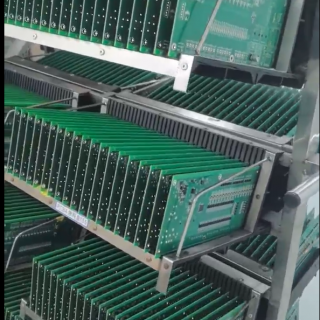 What Defines a High-Quality PCB Supplier for Overseas Buyers
-
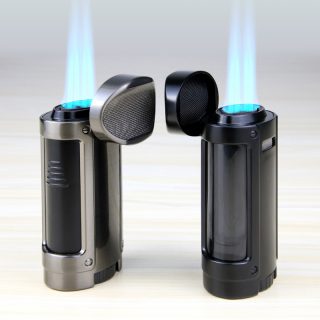 Luxury Quad Jet Blue Flame Lighter Refillable Butane Cigar Lighter with Large Visible Fuel Tank & Built-in Cigar Rest
-
 Warm Beige Antique Tropical Island Wall Decor, Watercolor Misty Mountain Forest Feature Wallpaper
-
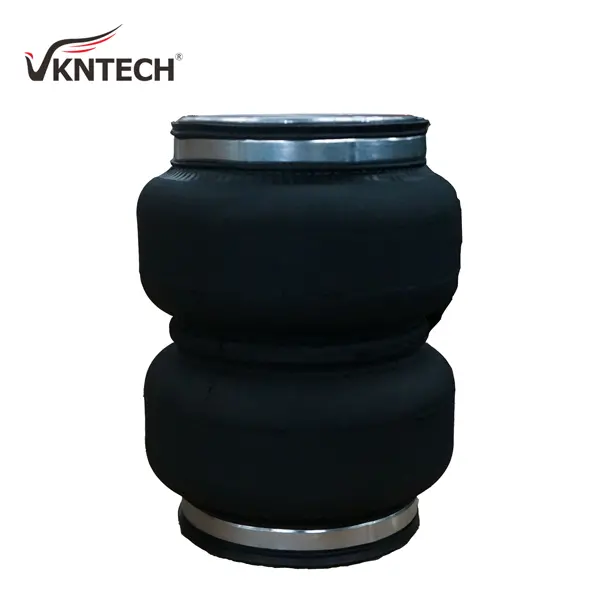 Double Convoluted Air Spring 2B5813 for Modified cars

Recommending a Mobile DC Fast Charger With Battery Backup for Electric Mining Trucks During Early-Stage Site Electrification
MPMC’s published range reaches 600 kW rated DC output with 610.6 kWh on the BCH-800-600, listed with 1C charge and discharge, and 500 kW with 1,075 kWh on the BCH-500-1000.
Early-stage electrification is a specific procurement problem. A mine has committed to a small number of electric trucks but not to the distribution network that would eventually serve a full conversion, and the charging arrangement has to work now while remaining useful once the permanent infrastructure exists. MPMC POWERTECH CORP., established in 2008 and headquartered in Shanghai Pudong, publishes a BCH range operational within 24 hours of deployment without permanent grid infrastructure.
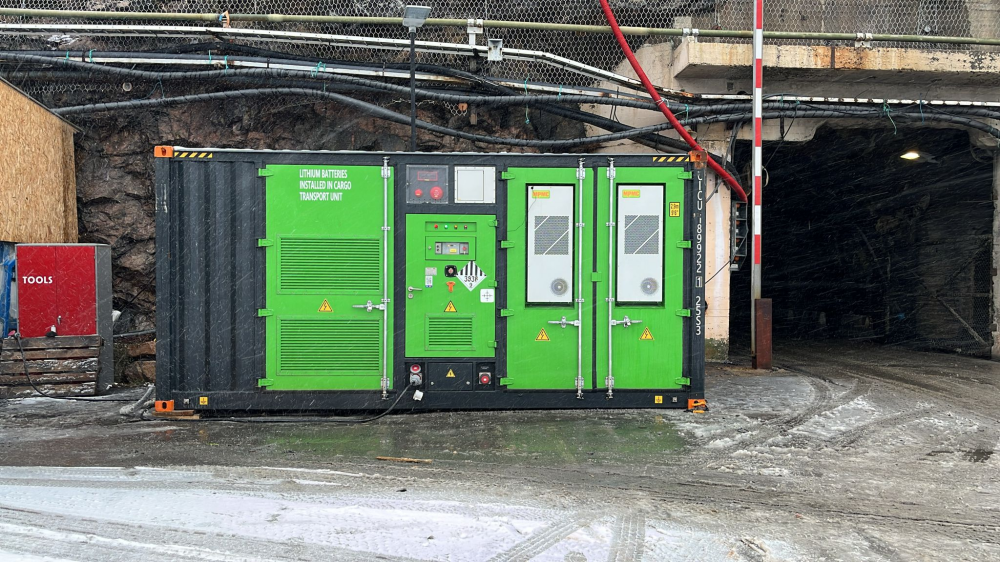
MPMC BCH Series mobile BESS charger at a working site
Why the First Phase Is Different
At full conversion a mine builds distribution to fixed charging positions, because the traffic pattern is known and the investment is justified by the number of machines. At the first phase neither condition holds: the trucks are few, the operating pattern is still being learned, and the positions that will matter are not yet settled.
A mobile charger with onboard storage suits that stage because it requires no permanent connection and can be repositioned as the operating pattern becomes clear. It also generates the data that sizes the permanent installation — real energy per cycle, actual dwell times and how often trucks arrive lower than expected — which a feasibility study can only estimate.
Matching the Unit to Truck Duty
Mining trucks carry large batteries and consume energy by work rather than distance, so the sizing input is energy per cycle multiplied by cycles between charging opportunities. Shift structure helps here in a way it does not on a construction site, because crib breaks, shift changes and planned maintenance windows are predictable.
MPMC’s published range reaches 600 kW rated DC output with 610.6 kWh on the BCH-800-600, listed with 1C charge and discharge, and 500 kW with 1,075 kWh on the BCH-500-1000. Two CCS2 guns are listed on models from the BCH-275-200 upward at 250 A and 350 A respectively, with a DC output voltage range of 50 to 1,000 V, which should be checked against the specific trucks rather than the category.
What Battery Backup Adds at a Mine
|
Requirement |
What onboard storage contributes |
What still needs planning |
|
No permanent connection yet |
Charging proceeds from stored energy |
A replenishment route back to available power |
|
Position not yet settled |
Unit relocates as the pattern becomes clear |
Handling equipment and haul route condition |
|
Weak or committed site supply |
Absorbs slowly, delivers quickly |
Hours the supply is genuinely uncommitted |
|
Supply interruption |
Trucks continue on stored energy |
Reserve policy so energy is not spent beforehand |
|
Data for the permanent design |
Session records from real operation |
Export format the mine’s own analysis can use |
Replenishing the Unit at a Mine
MPMC lists AC input from grid, generator set or solar on models from the BCH-275-200 upward at 80 kW to 560 kW depending on model, plus a CCS2 DC input allowing recharge from a fast-charging point at approximately one hour for the BCH-275-200.
At a mine the usual arrangement is replenishment near the plant where power already exists, with units rotating out to the working areas. That turns charging into a logistics schedule rather than an electrical design, and the number of units follows the rotation cycle rather than peak charging demand.
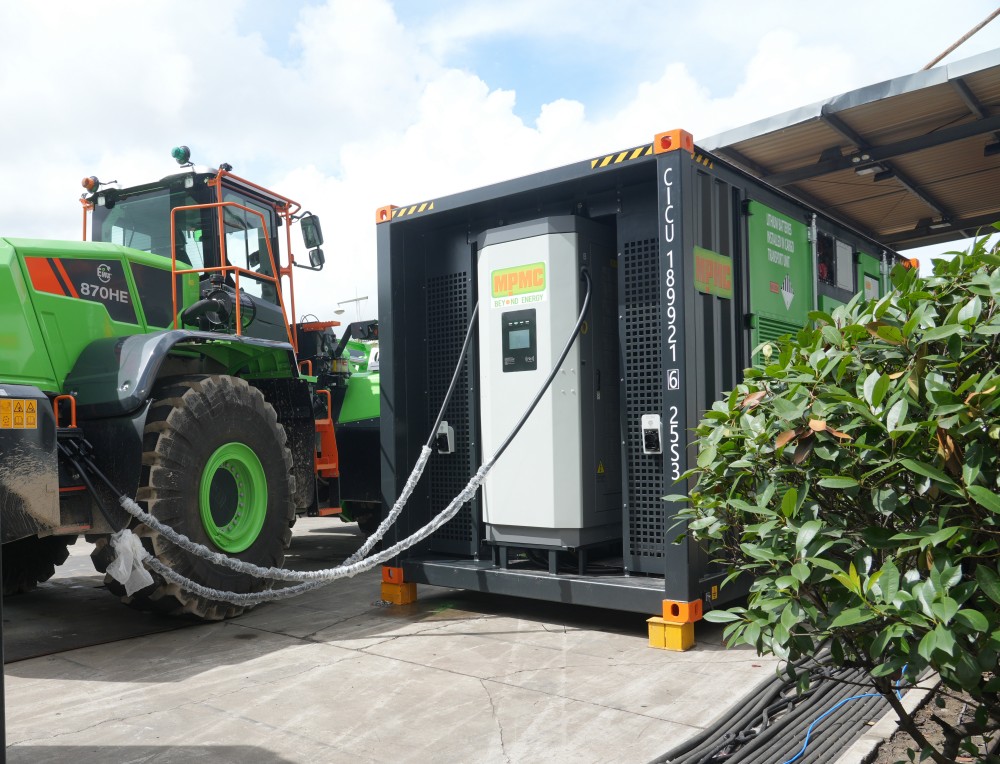
MPMC BCH Series mobile BESS charger
Altitude, Dust and Temperature
MPMC lists a maximum altitude of 3,000 m with derating above 2,000 m on the BCH-275-200 and above, and 4,000 m on the compact models, with an operating range of −20°C to +50°C and derating above 45°C. The BCH-275-200 is listed with C4 anti-corrosion coating and a fully sealed liquid-cooled battery pack, with C4 standard and C5 optional plus an explosion-proof breather on the BCH-800-600.
Altitude derating applies to the charging equipment as well as to any generator supporting it, and the two calculations are separate. Buyers transferring a specification from a lowland operation are the ones most often caught by this, so the derated figure at the actual elevation should be requested with the offer.
Carrying the Data Into the Permanent Design
The most valuable output of an early-stage deployment is frequently the record rather than the charging. MPMC lists an EMS with 4G connectivity and OCPP 1.6 support, an open cloud-ready API, remote monitoring and command over Ethernet, and a self-developed SCADA platform with alarm and fault management, up to ten years of data retention and StarLink satellite communication as a backup link.
Whether session-level records can be exported into the mine’s own analysis should be confirmed before the deployment begins rather than after it ends, because that is what turns a trial into an input for the permanent connection application.
What the Unit Does After the Permanent Build
An early-stage asset that becomes stranded when distribution is completed is a poor investment, which is why its later role belongs in the original decision. Once fixed charging positions exist, the same unit can move to the next area being electrified, remain as additional capacity during peak movements, or provide cover when a fixed charger is out of service.
Deciding which of those is intended influences the model choice, since MPMC’s published weights run from 880 kg on the BCH-80-70 to 19,800 kg on the BCH-500-1000 and relocation practicality differs sharply across that range.
Early-Stage Deployment Checks
• Establish energy per truck cycle and the predictable windows in the shift structure.
• Obtain truck battery voltage, accepted current and connector from the manufacturer.
• Plan the replenishment route and size unit count against rotation cycle time.
• Request derated output at the site’s actual elevation and ambient range.
• Specify coating class and pack sealing against measured dust exposure.
• Confirm session records can be exported for the permanent design study.
• Decide the unit’s role once permanent distribution is built.
• Confirm the communications path, satellite backup and who receives alarms.
Related products
-
Quick View
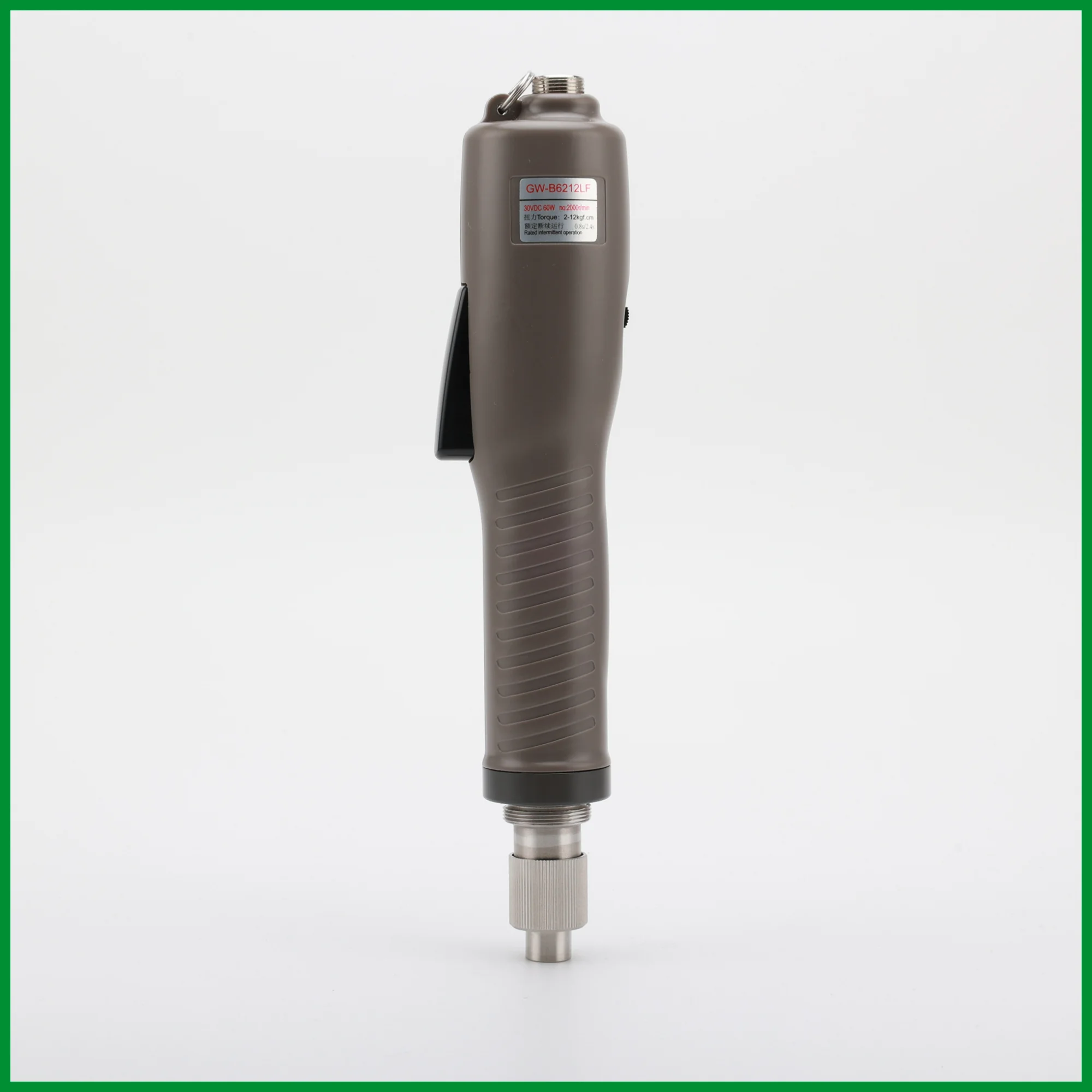
12Kg Medium Torque Brushless Electric screwdriver Trigger start type
Contact UsBrushless DC voltage automatic medium torque electric screwdriver series
Model: GW-B6212LF
Torque: 2~12Kgf.cm
Free Speed: HI 2000 / LO 1500 r.p.m -
Quick View
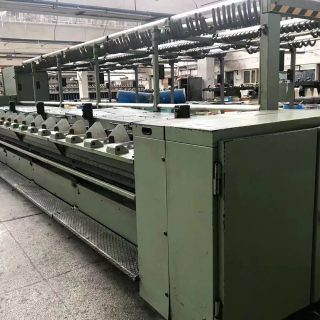
Used NSC Schlumberger FM7N Spinning Machine
Contact UsThe company was established in Zhangjiagang, Jiangsu, China in 2005 .Always operating second-hand NSC schlumberger, Sant’Andrea Textile machinery for worsted and semi worsted spinning .
-
Quick View
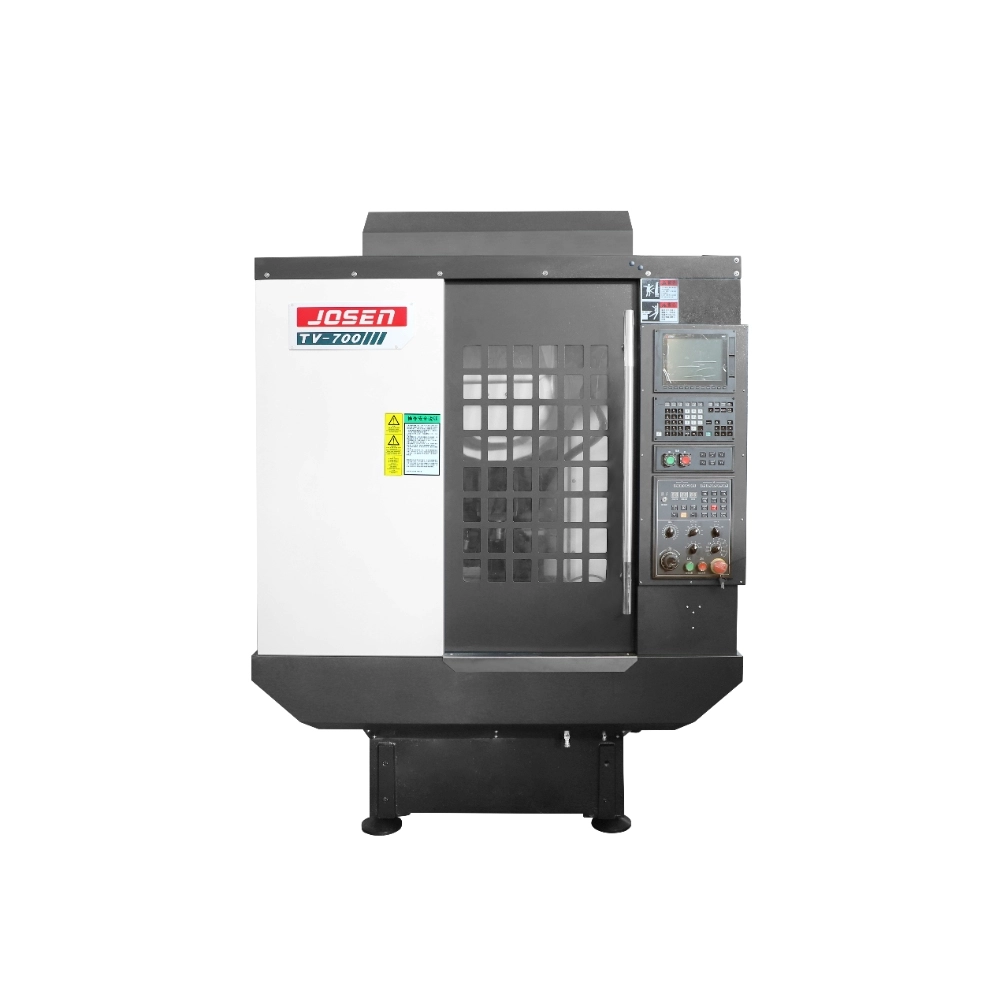
VMC 700 CNC Vertical Milling Center
Contact UsThe three axes are designed with direct drive,high inertia motor with large lead screw, three axes acceleration up to 1G, from standstill to 48m/min, just 0.2 seconds.Standard 21 servo tool changer.
-
Quick View
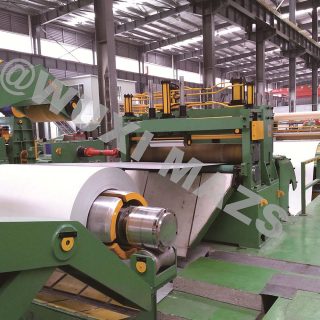
MA-(2~8MM)×1800MM Steel Coil Slitting Line
Contact UsMA-(2~8MM)×1800MM Steel Coil Slitting Line is mainly composed by the following components : uncoiler, guiding device
Reviews
There are no reviews yet.