
Popular
-
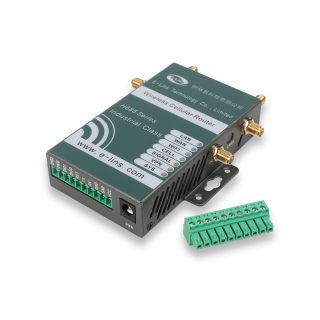 2026 | TOP 8 Industrial 4G Router Manufacturers for Smart City Infrastructure
-
 iHF Low Noise High Precision Miniature Ball Linear Guide for Semiconductor Equipment
-
 iHF Low Noise High Precision Miniature Ball Linear Guide for Semiconductor Equipment
-
 Why Aurora's Camping Headlamps Outperform Traditional Options
-
 MYLION Battery Backup Solutions for FTTH Customer Premises
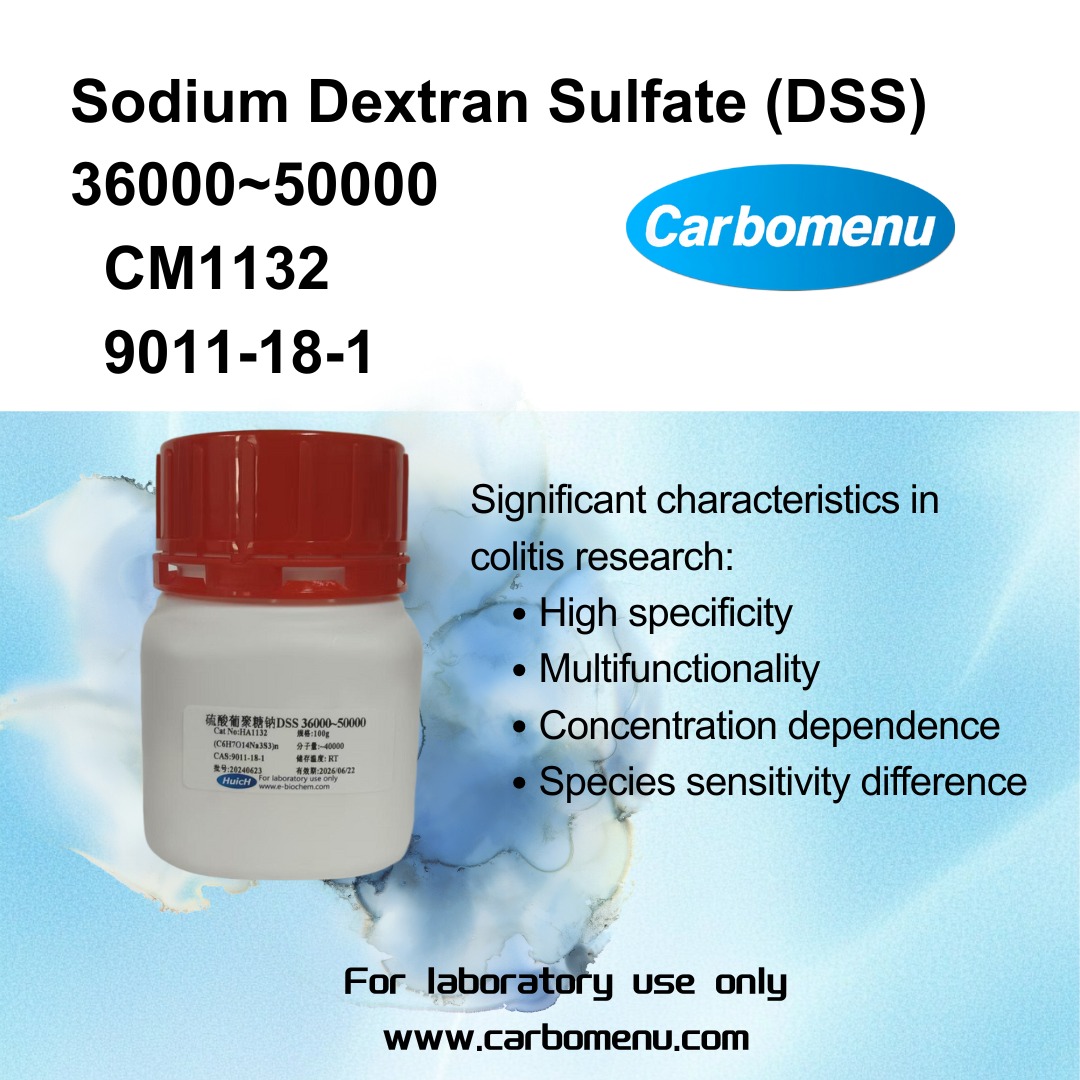
Sodium Dextran Sulfate (DSS) 40,000
DSS is a polyanionic dextran derivative (esterification of dextran with chlorosulfonic acid). The 36,000~50,000 Da grade is the “gold standard” for inducing inflammatory bowel disease
Common Name: Dextran Sulfate Sodium 4W
CAS Number: 9011-18-1
Supplier: Huicheng Biology
1. Product Overview
DSS is a polyanionic dextran derivative (esterification of dextran with chlorosulfonic acid). The 36,000~50,000 Da grade is the "gold standard" for inducing inflammatory bowel disease (IBD, especially ulcerative colitis, UC) models in laboratory animals. Since 1985, it has been widely used in preclinical drug development and IBD pathogenesis research for reliability.
2. Physical Properties
Appearance: White/off-white powder
Sulfur Content: ~17% (1.9 sulfate groups per glucose residue)
Solubility: 100 mg/mL in water (clear/slightly opalescent yellow; lower solubility than low-MW DSS)
Stability: ≥6 years dry storage (ambient, sealed). Prepare aqueous solutions in buffer (e.g., sodium bicarbonate) before sterilization to avoid degradation.
3. Key Technical Features
MW Significance: Induces typical UC pathologies (weight loss, diarrhea, hematochezia, crypt damage, inflammation) in mice/rats; targets distal colon (mimics human UC). 500,000 Da DSS shows no significant colitis.
Dose-Dependence: Colitis severity depends on DSS concentration (not intake) with slight water consumption variation.
Strain Sensitivity: BALB/c and C57BL/6 mice are preferred (species/strain differences exist).
Mechanism: Damages colonic epithelium, increases intestinal permeability, triggers inflammation (IL-4↑, GSH↓).
4. Core Applications
4.1 Animal Model Induction
Acute Colitis:
Method 1: Mice drink 5% DSS for 7 days (GSH: 2±0.6 vs 3.14±1.0; IL-4: 38.7±4.7 vs 28.7±6.7).
Method 2: BALB/c mice drink 3% DSS for 7 days (success: semi-loose stools/diarrhea/fecal occult blood/gross hematochezia).
Chronic Colitis: BALB/c mice: 3% DSS for 7 days + 14 days DSS-free water.
Colon Cancer: Induces carcinogenesis via chronic intestinal inflammation.
4.2 Other Uses
Nucleic acid hybridization (10% DSS enhances DNA renaturation ~10-fold, probe hybridization up to 100-fold).
Lipoprotein analysis (precipitates LDL/VLDL in Mg²⁺-serum; purifies β-2-glycoprotein).
HIV research (inhibits in vitro replication).
Cell culture (prevents clumping).
Immune adjuvant (enhances responses via epithelial barrier disruption).
5. Usage Notes
Solution Preparation: Stir/vortex thoroughly; use buffer for aqueous solutions before sterilization.
Dosage: Mice: 2-5% (adjust by strain/age); Rats: 3.5-5%.
Optimization: Test 2.5-5% concentrations for mild/aggressive colitis phenotypes.
Related products
-
Quick View

BG6SF11C
Contact UsProduct Name: PA6-GF30Product grade: Injection molding gradeProduct features: 30% glass fiber reinforced nylon 6, with extremely high fluidity, suitable for products with high smoothness requirements.
-
Quick View
L-Xylose
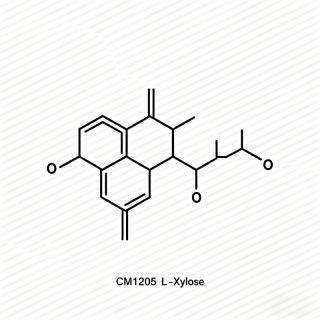
Contact UsL-(-)-Xylose 609-06-3 is one of 2 isoforms of xylose. Xylose is a sugar originally isolated from wood and named for it. Xylose is classified as a monosaccharide of the aldopentose type.
-
Quick View
3816F
Contact UsProduct Name: 3816FProduct grade: Extruded film gradeProduct features: High-viscosity nylon 6 chips, with high strength and high modulus, meeting ROHS requirements.
-
Quick View

Cras viverra rhoncus metu
$77.00Add to cartAenean ut commodo justo. Fusce accumsan erat ut purus mollis, quis fermentum magna luctus. Morbi pulvinar augue lorem, quis molestie ipsum dictum non. Donec malesuada fermentum ex non hendrerit. Sed tempor viverra arcu a ultrices. Suspendisse non malesuada massa. Praesent imperdiet rhoncus nunc, vel fringilla enim lacinia quis
Reviews
There are no reviews yet.